 PADEL RULES
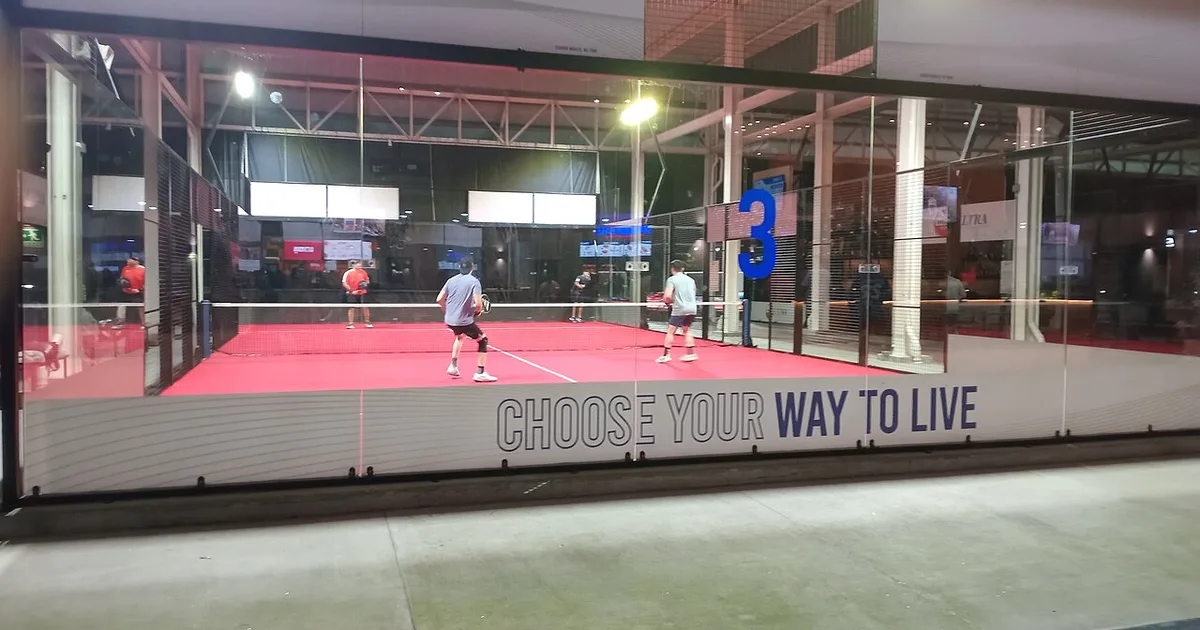
Padel Pre-Match Routine — Mental & Physical Preparation for Match Day
7 min read
What you do in the hours and minutes before a padel match directly shapes how you perform once the first point starts. A structured pre-match routine removes guesswork, reduces anxiety, and ensures you step onto court physically and mentally ready. This guide provides a complete framework you can adapt to your schedule and needs.
Why a Pre-Match Routine Matters
Players who rely on “warming up during the match” or “figuring it out as they go” consistently underperform compared to those who prepare deliberately. A routine provides three things:
- Physical readiness — muscles are warm, joints are mobile, reaction time is sharp
- Mental clarity — you have a plan and your focus is directed
- Emotional stability — familiarity with the routine reduces pre-match nerves
The routine does not need to be complicated. What matters is that it is consistent — the same sequence every time, so it becomes automatic.
The Night Before
Preparation starts before match day:
- Confirm logistics — know the venue, court number, and match time. Check for any schedule changes.
- Prepare your bag — racket, spare grip, balls, water, towel, snacks, appropriate clothing. Packing the night before eliminates morning stress.
- Review your opponents — if you have played them before or watched them play, note one or two tendencies: do they lob frequently? Are they aggressive at the net? Is one player weaker on the backhand side?
- Sleep — aim for your normal amount. Do not overthink the match in bed. If thoughts intrude, write them down and set them aside for the morning.
Match Day Nutrition
Nutrition timing affects energy levels, concentration, and physical performance:
2 to 3 Hours Before the Match
Eat a proper meal. Good options include:
- Pasta or rice with lean protein (chicken, fish, eggs)
- Wholegrain toast with avocado and eggs
- Porridge with fruit and nuts
Avoid heavy sauces, fried food, large amounts of dairy, and anything you do not normally eat. Match day is not the time to experiment.
30 to 45 Minutes Before
If you need a top-up, keep it light:
- A banana or a small handful of dried fruit
- An energy bar or a few rice cakes
- A small amount of sports drink
Hydration
Begin hydrating well before the match. Drink water steadily throughout the morning — do not try to compensate by drinking a large amount just before playing. Have your water bottle filled and courtside before warm-up begins.
Arrival and Off-Court Warm-Up
Arrive 30 to 40 minutes before the match. This buffer is essential — rushing to court creates tension and skips critical preparation steps.
Physical Warm-Up (10 to 15 Minutes)
Complete this off court or in a nearby space before picking up your racket:
- Light cardio — 3 to 5 minutes of jogging, skipping, or brisk walking to raise your heart rate
- Dynamic stretching — leg swings, hip circles, arm circles, torso rotations. Focus on the hips, shoulders, and ankles — the joints most used in padel
- Lateral movement — side shuffles and split steps to activate the movement patterns you will use on court
- Quick feet drills — short bursts of fast footwork to sharpen reaction time
Do not static stretch before playing. Static stretching reduces muscle power output. Save it for after the match.
For a detailed warm-up sequence, see the padel warm-up routine guide.
On-Court Hit (5 to 10 Minutes)
If court time is available before the match, use it with purpose:
- Start with gentle rallies from the baseline — focus on timing and feel, not power
- Hit a few volleys at the net to calibrate your touch
- Play two or three lobs to each side to check depth and wind conditions
- Practise your serve — five or six serves to each box, focusing on placement rather than speed
- Hit one or two overheads — a bandeja and a smash — to feel the overhead timing
This is not a practice session. The goal is to find your rhythm and feel comfortable with the ball on the racket. Keep it light and positive.
Tactical Game Plan
Before stepping onto court, have a clear plan for at least the first few games. The plan does not need to be complex — simple direction is better than none.
Questions to Answer
- Where will I serve? Decide your default serve placement for the deuce and advantage courts. You can adjust later, but start with a plan.
- Who is the weaker opponent? Direct more balls toward them, especially under pressure.
- What is our defensive strategy? Agree with your partner: lob cross-court as the default? Target a specific player with lobs?
- What is our net strategy? Will you poach aggressively or hold position? How will you signal intentions?
Write these answers down mentally or discuss them with your partner during warm-up. Having clarity on these four points gives you a framework for decision-making from the very first point.
Mental Preparation
Visualization (5 to 10 Minutes)
Find a quiet moment — in the car, in the changing room, or sitting courtside — and visualize:
- Successful execution — picture yourself hitting clean volleys, landing deep lobs, serving accurately to your planned targets
- Pressure scenarios — imagine being 4-5 down in the set, 30-40 on your serve, and see yourself executing calmly and winning the point
- Recovery moments — visualize making an error and then resetting positively, tapping rackets with your partner, and winning the next point
Visualization is most effective when it is vivid and specific. Feel the racket in your hand, hear the ball on the strings, see the court from your playing perspective.
Setting Process Goals
Rather than focusing on the result (“win the match”), set two or three process goals:
- “I will follow every lob forward with my partner”
- “I will reset with a breath after every point”
- “I will communicate with my partner before every service game”
Process goals keep your attention on actions you control rather than outcomes you cannot.
Managing Pre-Match Nerves
Some nervousness before a match is normal and beneficial — it sharpens focus and raises energy. If anxiety becomes excessive:
- Breathe deliberately — slow exhales through the mouth activate the parasympathetic nervous system
- Focus outward — pay attention to your surroundings, the court surface, the temperature, rather than internal sensations
- Remind yourself of preparation — you have a warm-up routine, a game plan, and goals. You are ready.
Pre-Match Routine Checklist
Use this as a quick reference on match day:
| Timing | Action |
|---|---|
| Night before | Pack bag, review opponents, confirm logistics |
| 2–3 hours before | Eat a balanced meal |
| 45 minutes before | Light snack if needed, begin hydrating |
| 30–40 minutes before | Arrive at venue |
| 25 minutes before | Off-court physical warm-up |
| 10–15 minutes before | On-court hit with partner |
| 5–10 minutes before | Visualization, process goals, tactical review |
| Match time | Step on court with a clear plan and calm focus |
Useful Links
- Padel Warm-Up Routine — detailed off-court and on-court warm-up exercises
- Padel Mental Game — emotional control and resilience during matches
- Padel Fitness Training — building the physical foundation for match performance
- Concentration Tips for Padel — maintaining focus point by point
Stay in the loop
Get padel rule updates and tournament news — no spam.
More in Strategy & Tactics
10 Most Common Padel Mistakes — And How to Fix Them
Avoid the 10 most common padel mistakes that beginners and intermediate players make — from hitting too hard off the walls to poor net positioning — with practical fixes for each.
Defensive Padel Play — Glass Walls, Lob Defence & Resetting Points
Master defensive padel tactics including glass wall play, lob defence, and how to reset points when your opponents control the net.
Dominating the Net in Padel — Volley Positioning, Poaching & Overhead Coverage
Learn how to dominate the net in padel with proper volley positioning, when to poach, overhead coverage, and how to maintain net control throughout.
Padel Attack vs. Defence — When to Go for the Winner
Learn the decision-making framework behind padel tactics strategy — when to attack, when to defend, how to read transition moments, and why patience wins more points than aggression.