 PADEL RULES
Women's Padel Guide — How to Get Started, Tips & Top Players
7 min read
Padel is the fastest-growing racket sport in Europe, and women are driving much of that growth. In Spain, over 40 percent of new padel players are women. In Sweden, the Netherlands, and Italy, women’s participation has doubled in the past three years. The Premier Padel women’s circuit now draws millions of viewers per tournament, and the prize money gap between the men’s and women’s tours is narrowing every season.
This guide covers everything you need to know about women’s padel — whether you are picking up a racket for the first time or looking to improve your game. For the basic rules of the sport, see How to Play Padel.
Why Women’s Padel Is Booming
Several factors make padel uniquely appealing to women:
Tactics beat power. The enclosed court and wall play reward positioning, anticipation, and shot placement over brute strength. Long rallies are the norm, and points are built through patience and coordination with your partner — skills that many women develop quickly.
The doubles format is social. Padel is always played as doubles. There is no standing alone on the baseline. You share the court, communicate constantly, and celebrate together. For many women, the social aspect is what keeps them coming back.
Low barrier to entry. The underarm serve eliminates the most technically demanding shot in tennis. The smaller court means less ground to cover. Most beginners can sustain rallies and enjoy the game from their very first session.
Growing infrastructure. Clubs across Europe, Latin America, and the Middle East are adding dedicated women’s sessions, ladies’ leagues, and coaching programmes tailored to female players. Premier Padel and national federations are investing in grassroots women’s programmes to build the next generation of players.
Tips and Tactics for Women’s Padel
The fundamentals of padel apply equally to everyone, but certain tactical patterns tend to dominate in women’s padel. Understanding these will help you improve faster.
Positioning Wins Points
In women’s padel, the pair that controls the net wins most games. Work on moving forward together after a good return or a well-placed lob. When you are at the net, stay compact — roughly two metres apart — and keep your racket up, ready to volley.
When defending from the back of the court, resist the urge to hit winners from behind the service line. Instead, use lobs, slow balls off the glass, and patient cross-court shots to push your opponents back and create space to advance.
Communication Is Everything
Call every ball. Agree on who covers the middle. Tell your partner when you are moving forward or dropping back. The best women’s pairs in the world — Ariana Sánchez and Gemma Triay, Paula Josemaría and her partners — talk constantly during points. Recreational players who communicate well beat individually stronger pairs who play in silence.
Play the Percentages
Women’s padel rewards consistency over risk. Keep the ball low over the net on volleys, aim for the feet of the opposing net player, and use the glass walls to extend rallies when under pressure. Unforced errors decide most recreational matches — the pair that keeps the ball in play longer usually wins.
For detailed positioning and doubles strategies, see our Doubles Tactics guide.
Develop Your Lob
The lob is the most important shot in women’s padel at every level. A well-placed lob pushes the opposing pair off the net and creates time for you and your partner to move forward. Practice lobbing to the back corners with enough height to clear the net player but not so much that it hits the back wall and sets up an easy smash.
Getting Started: Your First Steps
If you are new to padel, here is a practical path from zero to your first competitive match.
Step 1 — Book a Lesson or Social Session
Most padel clubs offer group lessons for beginners, and many run women-specific sessions. A single lesson covers the basics: grip, ready position, forehand and backhand volley, the underarm serve, and basic court positioning. Group sessions are affordable and immediately social.
Step 2 — Get the Right Shoes
Shoes matter more than racket choice when you are starting out. Padel courts use artificial grass with sand infill, and regular trainers will slip. Get padel shoes or clay-court tennis shoes with herringbone soles. Expect to spend 60 to 100 euros. See our Women’s Padel Shoes Guide for specific recommendations.
Step 3 — Rent Before You Buy
Most clubs rent rackets for a few euros per session. Play five to ten times with rental rackets before investing in your own — you will have a much better sense of what weight, shape, and balance suit your game. When you are ready, our Women’s Padel Rackets Guide breaks down the best options by level.
Step 4 — Play Regularly
Padel improves quickly with court time. Aim for two sessions per week if you can. Mix practice games with social matches. Most improvement in the first year comes from reading the ball off the walls and developing a feel for positioning — skills that only come with repetition.
Step 5 — Join a League or Ladder
Once you are comfortable with the basics, sign up for a local ladies’ league or club ladder. Competitive play — even at beginner level — accelerates improvement faster than social rallies because it forces you to manage pressure, play consistently, and develop a game plan.
Top Women Players to Watch
The Premier Padel women’s circuit showcases the highest level of women’s padel. Here are four players worth following — each represents a different style and approach to the game.
Ariana Sánchez
Ariana Sánchez is one of the most technically complete right-side players in the history of the sport. Known for her consistency, tactical intelligence, and world-class volley game, Sánchez rarely makes unforced errors. Her partnership with Gemma Triay produced some of the most dominant results in women’s padel. Watch her to learn how the right-side player controls the tempo of a match.
Paula Josemaría
Paula Josemaría plays on the left side with explosive power and aggressive intent. A former world number one, Josemaría is known for her devastating smashes and her ability to take control of points from the back of the court. She is one of the few players who can hit outright winners from almost anywhere on court.
Marta Ortega
Marta Ortega is a former world number one and one of the most complete all-round players in women’s padel. Ortega is equally comfortable at the net or at the back, and her tactical versatility makes her dangerous against any opponent. She is an excellent player to study for understanding how to adapt your game plan mid-match.
Beatriz González
Beatriz González has risen rapidly into the world’s top ten with an aggressive, power-driven left-side game. González is known for her overhead power and her willingness to take risks. She represents the new generation of women’s players who combine athleticism with tactical awareness.
Equipment Recommendations
Women do not need fundamentally different equipment, but weight and fit make a real difference to comfort and performance.
Rackets
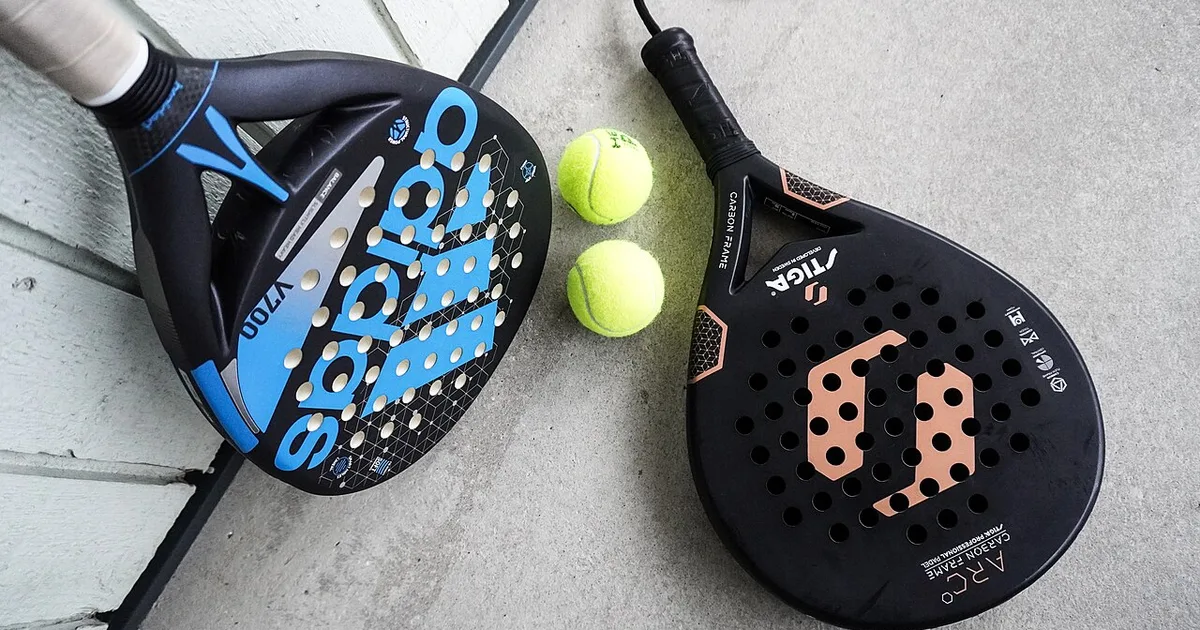
Look for rackets in the 330 to 360 gram range. A round shape offers the largest sweet spot and most control — ideal for beginners and intermediate players. Teardrop shapes give more power for players with developed technique. Our Women’s Padel Rackets Guide reviews the best eight options for 2026 across all levels.
Shoes
Herringbone-soled shoes designed for padel or clay-court tennis are essential. Women-specific models offer better fit around the heel and midfoot. Expect to replace padel shoes every 6 to 12 months if you play regularly. See our Women’s Padel Shoes Guide for tested picks.
Other Essentials
Padel balls, a grip overgrip, and a wrist strap (required in competition) round out the basics. Most clubs provide balls with court bookings. For a full breakdown of everything you might need, see our Padel for Beginners guide.
Get the Free Beginner Guide PDF
Rules, scoring & first-lesson tips — one printable PDF for new players.
No spam. Unsubscribe anytime. By submitting you agree to our Privacy Policy. We use double opt-in for confirmation (GDPR compliant).
Stay in the loop
Get padel rule updates and tournament news — no spam.
More in Beginner Guides
Can You Play Padel Alone? Solo Practice Options and Drills
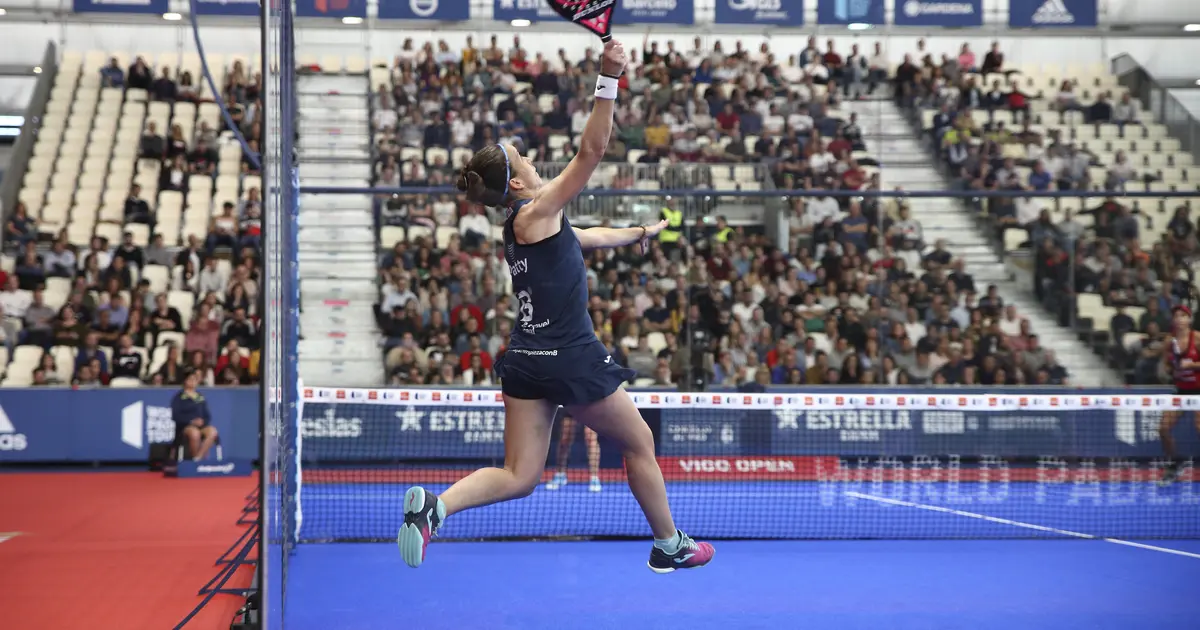
Can you play padel alone? Padel is a doubles sport, but you can practise solo with wall drills, ball machines, and specific exercises.
Padel Doubles Tactics — Strategy Guide for All Levels
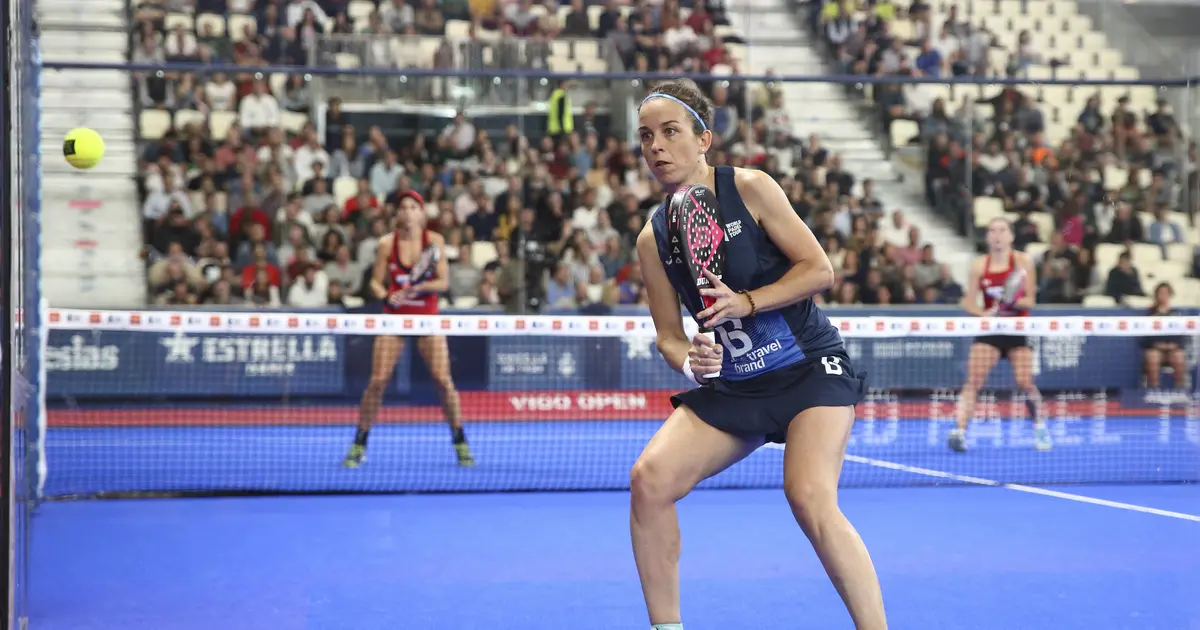
Master padel doubles tactics with this strategy guide. Covers court positioning, attacking from the net, defending from the baseline, and key shot.
How Long Does a Padel Match Last? Average Duration and Format
How long does a padel match last? Most padel matches last 60–90 minutes. Learn about set format, tie-breaks, and what affects match duration.

How to Find and Book a Padel Court
Learn how to find and book a padel court near you using Playtomic, Matchi, Google Maps, and club websites. Includes tips for first-timers on pricing, equipment hire, and what to expect.