 PADEL RULES

Advanced Padel Tactics — How to Break Through the Intermediate Plateau
11 min read
You can rally consistently. You hold the net most of the time. You know the basics of positioning and you rarely miss the easy balls. And yet, something has stalled. You keep losing to the same players, and the gap between you and the next level feels invisible. This is the intermediate plateau, and almost every padel player hits it after a year or two of regular play. The difference between staying stuck and breaking through is not about hitting harder or learning a flashy new shot. It is about tactical intelligence: knowing where to stand, when to attack, and how to make decisions faster than your opponents. This guide covers the seven tactical areas that matter most.
Net Positioning Mastery
The net is where points are won in padel. But simply being at the net is not enough — it matters exactly where you stand and how you move.
Controlling the T
The most dominant position on a padel court is the “T” — the intersection of the service line and centre line. When both you and your partner hold positions near the T, you cut off angles, reduce the gaps between you, and force opponents into low-percentage shots. The mistake most intermediate players make is drifting too close to the net or too far to the side. Stay one step behind the net and one step toward the centre. That is the sweet spot.
The Split Step
Every time your opponent is about to make contact, perform a split step — a small hop that lands you on the balls of both feet, ready to move in any direction. Watch an intermediate player and you will see them flat-footed on at least half the shots. A proper split step before every opponent contact turns you from a spectator into a reactor.
Reading Opponent Shots
Advanced net play means reading the shot before it happens. Watch the opponent’s racket face, body angle, and shoulder rotation. An open stance with the racket tilting upward almost always signals a lob. A closed stance with the body turning sideways typically means a passing shot. The earlier you read the intention, the more time you have to position yourself. This is pattern recognition that improves with deliberate attention.
Reading the Back Glass
Playing off the glass is what separates padel from every other racket sport. At the intermediate level, most players can return a ball that comes off the back wall. At the advanced level, you need to use the glass — not just survive it.
Positioning for the Rebound
The most common error is standing too close to the back glass. When a ball hits the wall, you need space to step into the shot. Position yourself at least an arm’s length away from the glass and adjust forward once you read the rebound angle. If you are jammed against the wall, your only option is a weak return.
Timing the Bounce
The ball changes speed and angle after hitting the glass. Let it come to you rather than reaching for it. Wait for the ball to drop into your hitting zone after the rebound rather than lunging at it as it comes off the wall. Advanced players often let the ball travel past them, bounce off the glass, and then play it on the way back. This creates time and allows for a controlled return.
Using Glass Rebounds Offensively
Once you are comfortable with timing, start using the glass to set up offensive returns. A deep rebound can be played as a lob over the net players, buying time to recover. Or it can be directed low and fast down the line, catching the net player off guard. The glass is not a problem to solve — it is a tool to exploit. For more on building a solid defensive foundation, see our guide on defensive positioning and tactics.
Managing Lobs at Depth
At the intermediate level, the instinct with any lob is to smash it. At the advanced level, lob management becomes one of the most important skills on the court.
When to Let the Lob Go
If the lob is sailing over your head and will hit the back glass, let it go. Your partner at the back can play the rebound far more effectively than you can play a stretched overhead while moving backward. The discipline to let a deep lob pass is a hallmark of advanced play. Chasing every ball over your head pulls you out of position and usually results in a weak return.
When to Smash
Smash when the lob is short — when you can take it in front of your body without retreating more than one step. A well-timed smash on a short lob is one of the highest-percentage winners in padel. The rule is simple: if you can hit it in front of you with your weight going forward, smash. If you have to go backward, consider the bandeja or vibora instead.
Positioning After the Overhead
Regardless of whether you smash, bandeja, or vibora, your next move is critical. After playing any overhead, immediately recover to the net position. Too many intermediate players admire their shot or freeze after contact. The overhead is not the end of the point — it is a tool to maintain your advantage. Play the shot, recover the T, and get ready for the next ball.
Vibora vs Bandeja Decision-Making
Both shots are overheads played from the net. Both use an open racket face and keep you at the net. But they serve different tactical purposes, and knowing which to choose in the moment is a genuine skill.
The Bandeja: Control and Reset
The bandeja is your safe, reliable overhead. It uses backspin to keep the ball low after bouncing, making it difficult for opponents to attack. Use the bandeja when you are slightly out of position, when the lob has pushed you back half a step, or when you simply want to maintain control without taking risks. The bandeja says: “I am staying at the net and you are not getting past me.”
The Vibora: Pressure and Attack
The vibora adds sidespin to the overhead, causing the ball to kick sideways after bouncing or off the glass. It is a more aggressive option that can create genuine problems for opponents. Use the vibora when you are in a strong position at the net, when you want to pull the ball away from the opponent, or when you are targeting the side glass to create an awkward rebound. The vibora says: “I am at the net and I am coming after you.”
The Decision Framework
Ask yourself two questions before every overhead: Where am I on the court? What do I want the next ball to look like? If you are solid at the T and want to apply pressure, vibora. If you are slightly off-balance or the lob was deep, bandeja. If you are unsure, always default to the bandeja. Control beats ambition in padel — the player who makes fewer errors at the net usually wins.
Serving Tactics for Advanced Play
Most intermediate players have one serve: a flat hit to the middle of the box. At the advanced level, the serve becomes a tactical weapon.
Placement Over Power
A serve at 80% power placed into the corner of the service box is far more effective than a full-power serve down the middle. Target the backhand side of the returner, aim for the side glass to create an awkward rebound, or serve wide to pull the returner out of position. Placement creates time for you and your partner to set up at the net.
Spin as a Tool
A slice serve that stays low and skids into the side glass forces the returner to deal with two variables — the bounce and the glass angle. A kick serve that bounces high into the body gives you more time to close the net. At the advanced level, spin is not about showing off — it is about reducing the quality of the return.
Serving Patterns
Do not serve randomly. Develop patterns: serve wide first, then down the T. Or serve to the body three times in a row to set up the wide serve. Advanced players create uncertainty by being unpredictable within a system. Your partner should know where you are serving — your opponent should not.
Partner Communication at High Level
Padel is a doubles sport, and the gap between a pair of good individual players and a good pair is enormous. Communication is what bridges that gap. For a deeper look at working with your partner, our doubles tactics guide covers formation and movement in detail.
Verbal Calls
At minimum, you need three calls: “yours,” “mine,” and “switch.” These must be loud, early, and unambiguous. Advanced pairs also use “leave it” (let the ball go to the glass), “up” (move to the net), and “back” (drop to the baseline). The call should come before the ball crosses the net, not after.
Positioning Signals
Before serving, advanced pairs use hand signals behind the back to indicate where the serve is going and whether the net player will poach. This ensures both players move in coordination from the first ball. Even a simple system (one finger for wide, two for the T) transforms your serve-and-volley game.
Switching and Recovery
When one player is pulled wide, the other must shift to cover the centre. When the ball goes over both heads, the closest player drops back while the other covers. These rotations should be automatic — if you have to think about where to go, you are too slow. Good pairs move like a single unit: when one shifts left, the other shifts left; when one drops back, the other holds the net. If your racket is starting to hold you back at this level, consider an intermediate upgrade or look at rackets built for advanced play.
When to Attack vs Defend
The most important tactical skill in advanced padel is recognising transition moments — the instants where the point shifts from neutral to offensive or defensive.
Reading the Point
Every point exists in one of three states: attacking (at the net, in control), defending (at the back, under pressure), or neutral (both teams transitioning). The mistake intermediate players make is attacking from a defensive position or defending from an attacking one. If you are at the back, your job is to get to the net — not to try a winner from the baseline. If you are at the net, your job is to maintain control — not to go for the kill on every ball.
Transition Moments
The transition from defence to attack happens when opponents give you a short ball, a weak lob, or a ball down the middle you can take early. When you spot these opportunities, both you and your partner move forward together. The transition from attack to defence happens when a lob goes over your head or you play a weak volley that lets opponents advance. When this happens, both players drop back — never leave one at the net and one at the back.
The Patience Principle
Advanced padel rewards patience. The player who waits for the right moment to attack and defends solidly until then will beat the player who forces the issue. Build the point. Move the opponents around. Wait for the gap. Then strike. This is the fundamental difference between intermediate and advanced play: the willingness to build rather than force.
Useful Links
- Bandeja Shot Technique — master the mechanics of the bandeja
- Vibora Shot Technique — learn sidespin overhead execution
- Doubles Tactics Guide — formations and court coverage
- Defensive Tactics — positioning and strategy from the back
- Best Padel Rackets for Intermediates 2026 — racket recommendations for levelling up
- Best Padel Rackets for Advanced Players 2026 — top picks for competitive play
Related Strategy Guides
Stay in the loop
Get padel rule updates and tournament news — no spam.
More in Strategy & Tactics
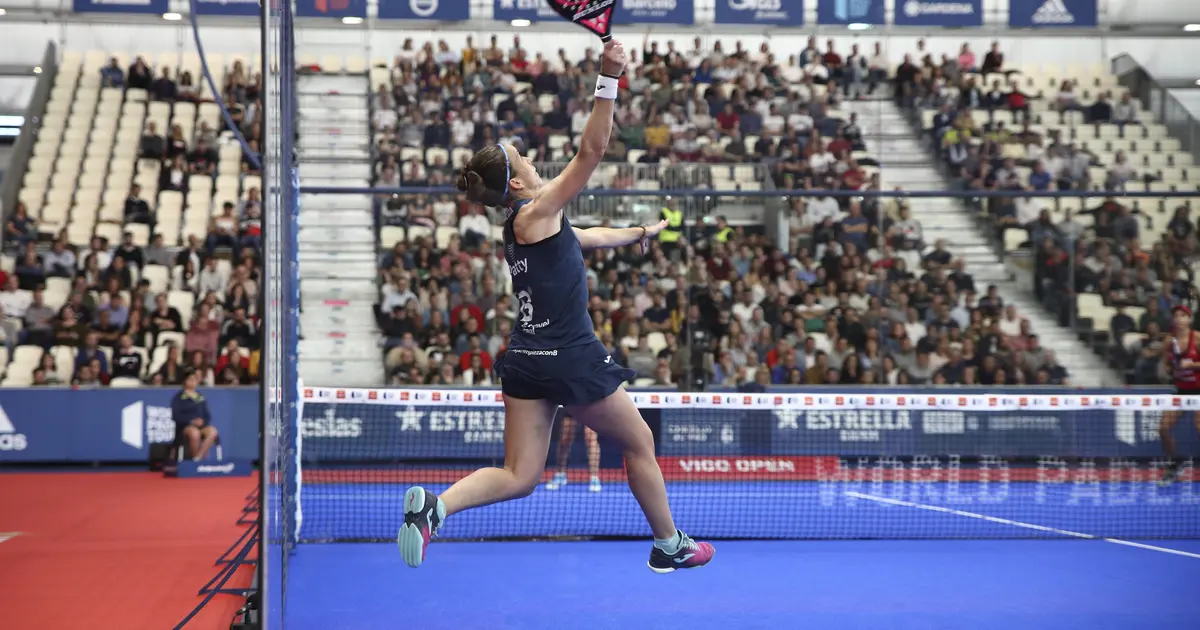
10 Most Common Padel Mistakes — And How to Fix Them
Avoid the 10 most common padel mistakes that beginners and intermediate players make — from hitting too hard off the walls to poor net positioning — with practical fixes for each.
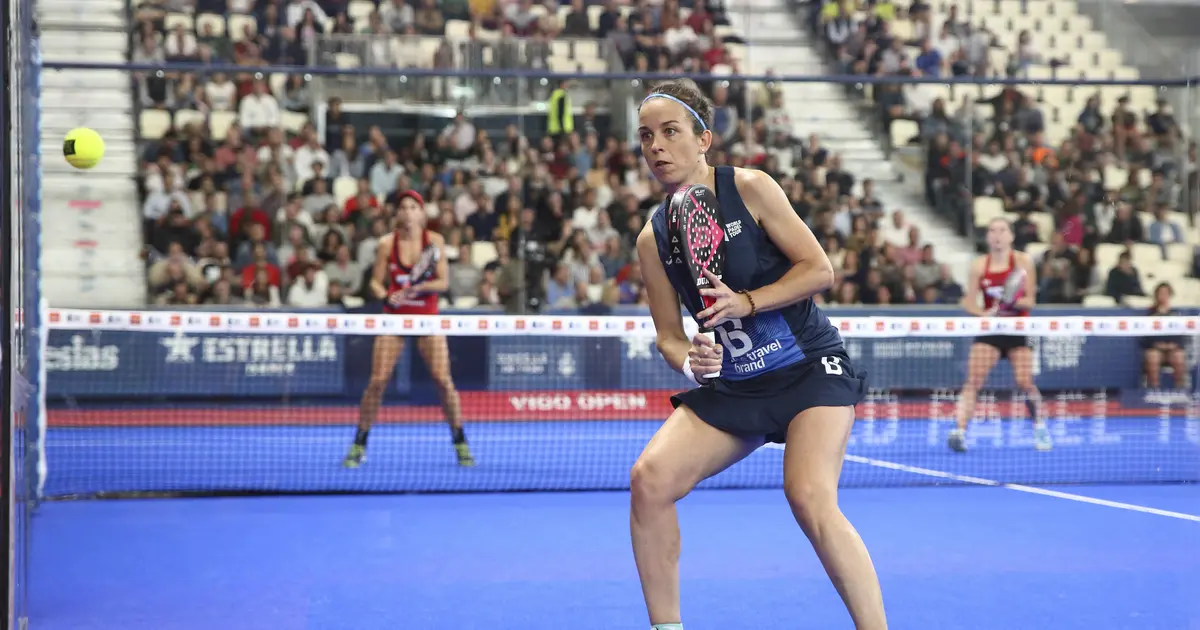
Defensive Padel Play — Glass Walls, Lob Defence & Resetting Points
Master defensive padel tactics including glass wall play, lob defence, and how to reset points when your opponents control the net.
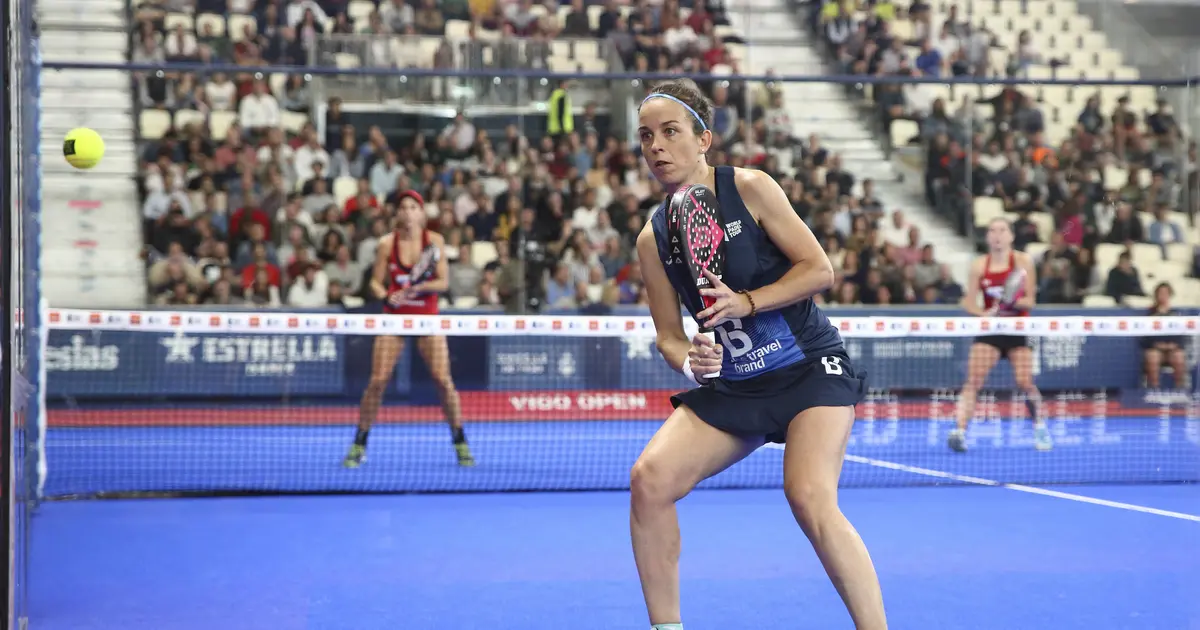
Dominating the Net in Padel — Volley Positioning, Poaching & Overhead Coverage
Learn how to dominate the net in padel with proper volley positioning, when to poach, overhead coverage, and how to maintain net control throughout.
Padel Attack vs. Defence — When to Go for the Winner
Learn the decision-making framework behind padel tactics strategy — when to attack, when to defend, how to read transition moments, and why patience wins more points than aggression.