 PADEL RULES

Padel for Tennis Players — Skills, Equipment & Where to Start
7 min read
If you play tennis, you are already 80% of the way to being a padel player. The scoring system is identical, your net instincts will kick in from day one, and your footwork is closer than you think. The remaining 20% — the walls, the underhand serve, and the doubles-only format — will feel foreign at first, but it clicks fast.
This guide is written specifically for tennis players making the transition. It covers what carries over, what needs to be unlearned, and exactly what to buy before your first real session.
What Transfers Directly from Tennis
Scoring Knowledge
Padel uses the same 15-30-40 scoring as tennis. Games go to six, sets follow the same tiebreak logic, and matches are typically best of three. One immediate advantage: while others in your beginner group are counting on their fingers, you already know what “ad out” means.
The only difference at deuce is the Star Point: after two conventional deuce-advantage exchanges, a deciding point is played where the receiving pair chooses which side to receive. Tennis players find this easy to absorb — it is simpler than advantage scoring, not more complex.
Net Play and Volleys
Your volley instincts are one of your biggest assets. Padel is played much closer to the net than most rally tennis, and the dominant position in padel is at the net. If you have a solid volley game, you will feel at home in padel’s offensive position faster than a complete beginner ever would.
The compact padel racket actually makes volleying easier — the shorter lever and lighter weight allow quicker hands and faster reactions at close range.
Court Geometry and Positioning
Tennis players intuitively understand angles and court coverage. You know not to leave the centre open, you understand cross-court versus down-the-line, and you can read where a ball is going. That spatial intelligence transfers. The padel court is smaller, but the geometry is the same.
Footwork Patterns
If you play clay court tennis, the lateral slides used to recover a wide ball translate almost directly to padel’s artificial grass surface. Hard court players adapt quickly too — the main difference is the slightly lower, softer bounce from the sand-infill surface.
What You Need to Unlearn
The Overhand Serve
This is the hardest adjustment for tennis players. Your serve — possibly your biggest weapon — does not exist in padel. The padel serve is underhand: you stand behind the service line, drop the ball, let it bounce once, and strike it at or below waist height into the diagonally opposite service box.
The serve in padel is a neutral start, not an attacking weapon. Accept this early and you will stop trying to compensate. Many tennis players overhit serves initially; the correct approach is accuracy and placement over power.
For the full serve rules, see How to Play Padel.
The Baseline Mindset
In tennis, the baseline is a fortress for many players. In padel, camped on the baseline is one of the weakest positions you can be in. The walls behind you become your opponents’ tools, not yours. Padel rewards net position — the team that controls the net usually wins the point.
Resist the urge to retreat to the back of the court. Let the glass wall work for you by learning to play balls off the back wall — it is a skill specific to padel that has no tennis equivalent.
The Singles Instinct
Padel is exclusively doubles. Your singles instincts — covering the full court alone, going for winners down the line — need to be replaced with partnership thinking. Cover your half, communicate with your partner, and move as a unit. The “I’ll get everything” instinct from singles tennis will leave you exposed in padel.
For more on how the game differs tactically, see Padel vs Tennis.
Equipment You Need
Padel Racket
The most important purchase. A padel racket (pala) is a solid, foam-core bat with a perforated face — no strings. As a tennis player, choose a round-shaped beginner racket. Round rackets have the largest sweet spot, a low balance point for easy manoeuvrability, and the most forgiveness on off-centre hits.
Avoid diamond-shaped or teardrop rackets — those are for intermediate and advanced players who already have the technique to exploit a higher balance point. As a tennis player with existing hand-eye coordination, you may progress faster than a typical beginner, but start round anyway.
Budget: €60–120 is ideal for a first racket. See our full guide: Best Padel Rackets for Beginners.
NOX ML10 Pro Cup — Buy at Padel Market →
Padel Shoes
Do not use your tennis shoes. Padel is played on artificial grass with sand infill, and you need a shoe with a herringbone or multi-directional rubber sole designed for that surface. Hard court tennis soles lack grip on artificial grass; clay court shoes are the closest equivalent but still not optimised.
Good padel shoes provide lateral support, grip on the sandy surface, and durability against the abrasive artificial grass. Budget €80–150 for a solid pair. See our tested picks: Best Padel Shoes 2026.
Bullpadel Hack Vibram 26V — Buy at Padel Market →
Padel Balls
Padel balls look almost identical to tennis balls but are pressurised slightly lower (between 4.6 and 5.2 kg/cm²) and are approved for the smaller, enclosed court. You cannot substitute tennis balls — the pressure difference affects bounce height and pace noticeably.
Most clubs sell padel balls at reception, or you can find them at sports shops. Brands like Babolat, Wilson, and Head all make specific padel balls. A can of three costs €4–8.
Recommended First Rackets for Tennis Players
As a tennis player, your hand-eye coordination and racket-sport background mean you are less likely to spray the ball wildly on your first session. You still want a round racket, but you can lean toward the upper end of the beginner range (around €90–120) for a slightly more responsive feel.
Top picks for the tennis-to-padel transition:
- Head Alpha Motion — round shape, soft EVA core, fibreglass face. Used at padel schools across Europe. Excellent all-round choice.
- Bullpadel Vertex 03 Comfort — round shape with CustomFlex EVA for a softer feel without losing feedback. Very durable.
- NOX ML10 Pro Cup — the most-recommended beginner racket year after year. Round, forgiving, and competitively priced.
- Wilson Starter — if you already trust Wilson from tennis, this is a clean, comfortable transition racket.
Full reviews and prices: Best Padel Rackets for Beginners.
Your First Three Sessions
Session 1: Focus entirely on the serve and staying off the baseline. Do not try to play like a tennis player — observe how experienced padel players position themselves.
Session 2: Practise letting balls come off the back glass before hitting. The wall is not your enemy — a ball that hits the back glass is an opportunity, not a lost point.
Session 3: Commit to net position when your team is in control. Trust your volley instincts. This is where your tennis background becomes a genuine advantage.
For the full beginner framework, see How to Play Padel. For a side-by-side rule comparison with tennis, see Padel vs Tennis.
Get the Free Beginner Guide PDF
Rules, scoring & first-lesson tips — one printable PDF for new players.
No spam. Unsubscribe anytime. By submitting you agree to our Privacy Policy. We use double opt-in for confirmation (GDPR compliant).
Stay in the loop
Get padel rule updates and tournament news — no spam.
More in Beginner Guides
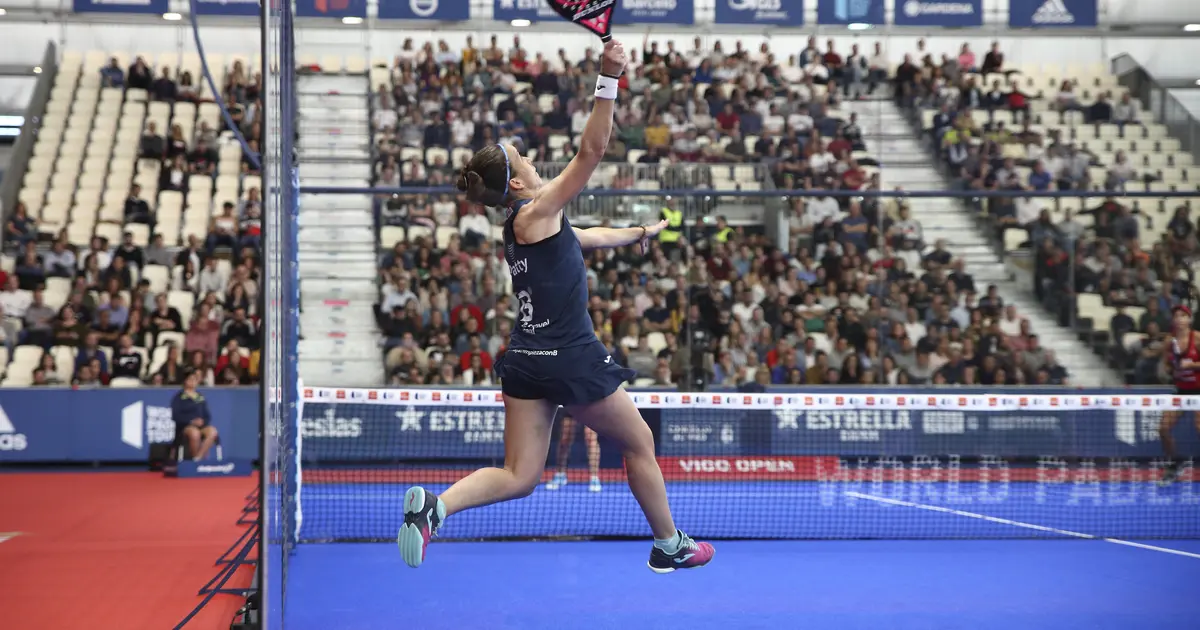
Can You Play Padel Alone? Solo Practice Options and Drills
Can you play padel alone? Padel is a doubles sport, but you can practise solo with wall drills, ball machines, and specific exercises.
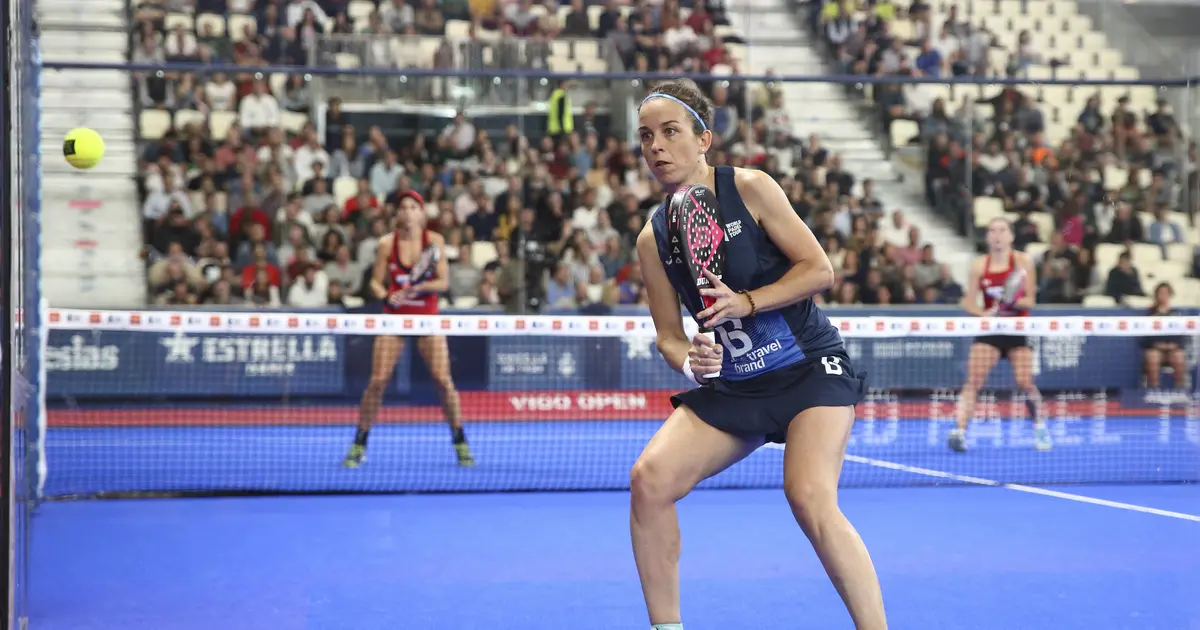
Padel Doubles Tactics — Strategy Guide for All Levels
Master padel doubles tactics with this strategy guide. Covers court positioning, attacking from the net, defending from the baseline, and key shot.
How Long Does a Padel Match Last? Average Duration and Format
How long does a padel match last? Most padel matches last 60–90 minutes. Learn about set format, tie-breaks, and what affects match duration.
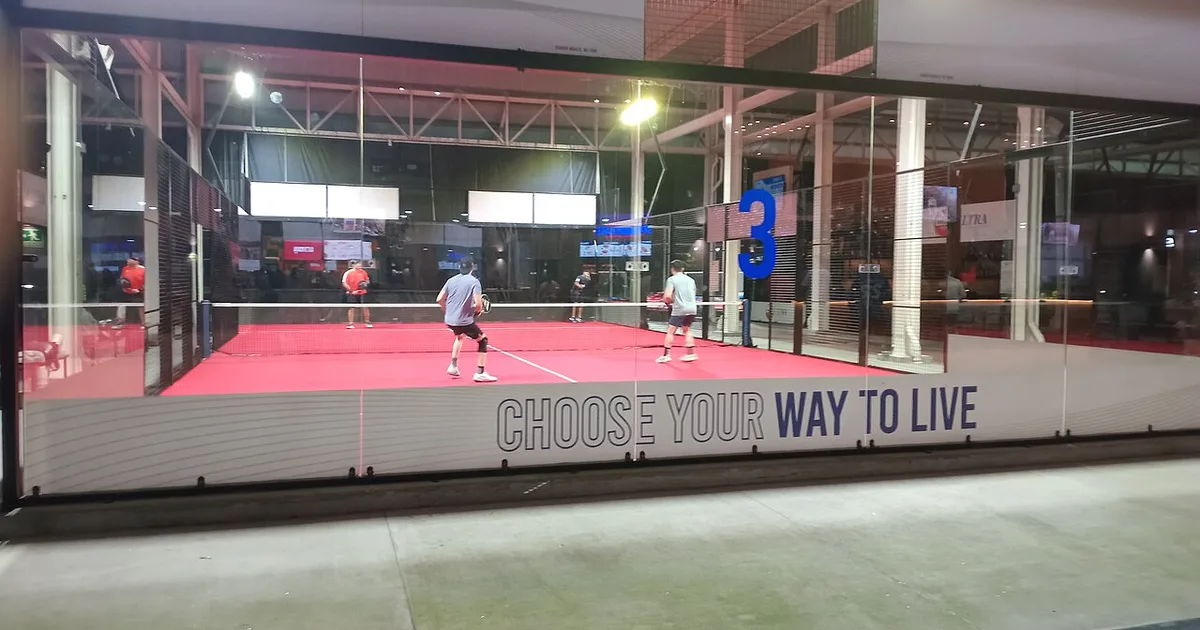
How to Find and Book a Padel Court
Learn how to find and book a padel court near you using Playtomic, Matchi, Google Maps, and club websites. Includes tips for first-timers on pricing, equipment hire, and what to expect.