 PADEL RULES
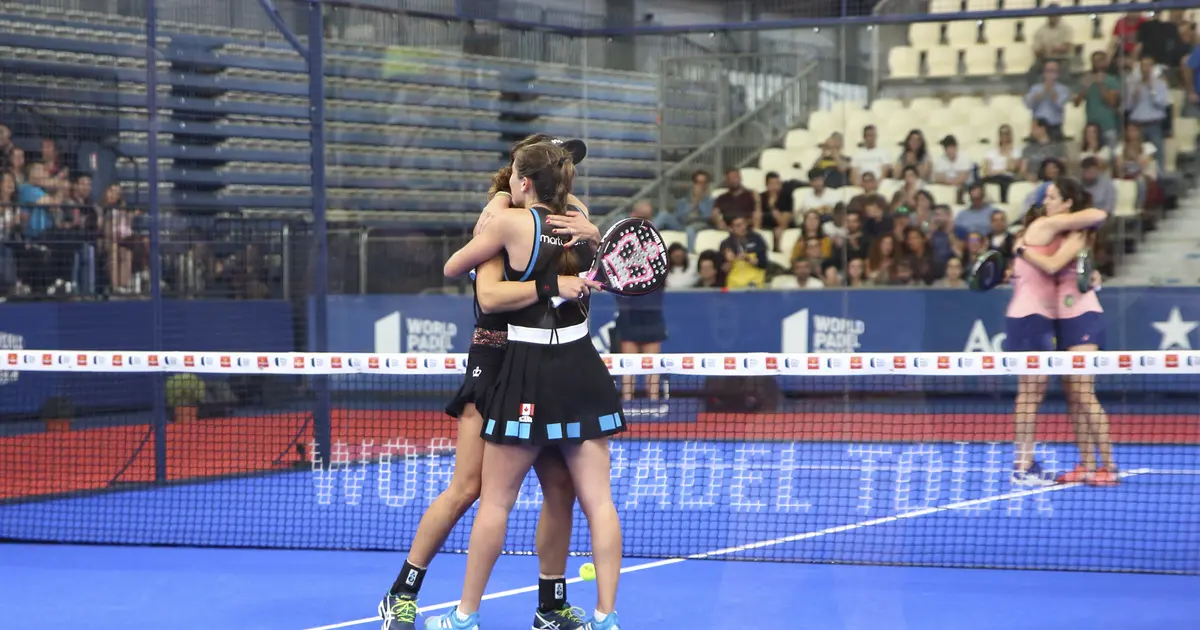
Return of Serve
3 min read
The FIP Rules of Padel (Rule 8) govern how the receiving team must respond to a valid serve. The return of serve begins the rally — errors on the return lose the point for the receiving team.
Who Receives
The receiver is the player positioned diagonally opposite the server. The receiver alternates sides at the start of each game, following the rotation set at the beginning of the set. See player rotation for how the receiving pair’s positions are set and maintained through a set.
The receiver’s partner may stand anywhere on their side of the court but may not intercept the serve — only the designated receiver may play the first return shot.
If the receiver’s partner strikes the serve, the point is lost by the receiving team.
How the Return Must Be Played
The receiver must:
- Allow the ball to bounce once in the service box before returning it
- Strike the ball back over the net so it lands anywhere in the opponents’ half of the court (including off the walls on the full, as would happen in a normal rally)
There is no restriction on how the receiver must hit the return — they may use any stroke. The ball does not have to land in a specific zone; it only needs to cross the net and land within the court boundaries.
Bounce Requirements
- The receiver must let the ball bounce — they cannot volley the serve
- If the ball bounces in the service box and then hits the back wall or side wall before the receiver plays it, the receiver may still play the ball legally (off the wall on the bounce is valid)
- If the ball bounces in the service box and then bounces a second time before the receiver strikes it, the receiving team loses the point
The Return After the Bounce Touches a Wall
A common scenario in padel: the serve bounces in the service box and then rebounds off the back wall. The receiver may choose to:
- Strike the ball before it reaches the wall
- Let it hit the back wall and play it after the wall rebound (the ball has already completed its one permitted bounce)
- Let it hit the back wall and then a side wall, as long as it has only bounced on the ground once
If the ball bounces off the service box glass and then lands on the ground a second time without being played, the point is lost.
Service Faults and Second Serves
If the serve is a fault (out, net, or foot fault), the server gets a second serve. If the second serve is also a fault, the receiving team wins the point (a double fault). The receiver does not need to attempt to return a serve that is clearly going to land out.
See serve rules for the full specification of a valid serve.
Summary
| Rule | Detail |
|---|---|
| Who returns | Designated receiver only — not their partner |
| Ball must bounce first | Yes — volleying the serve is not permitted |
| Landing zone | Anywhere in the opponents’ half |
| Ball off wall after bounce | Permitted — still a valid ball |
| Second bounce before return | Point lost for receiving team |
Stay in the loop
Get padel rule updates and tournament news — no spam.
More in Gameplay Rules
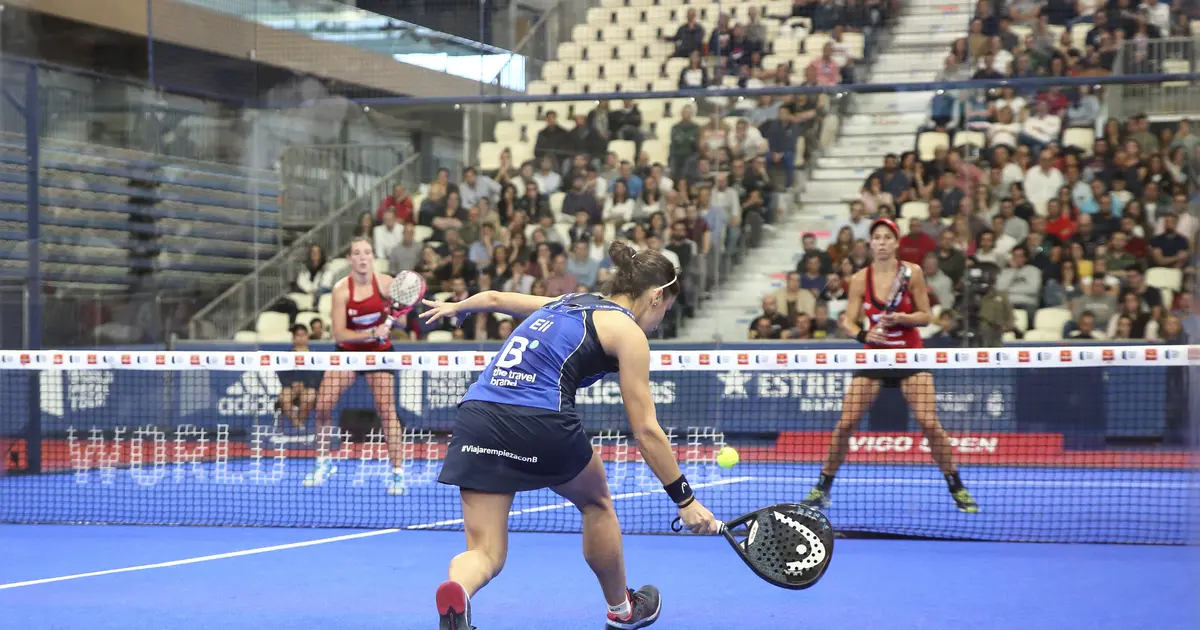
Padel Ball in Play Rules: When Is the Ball Live?
FIP Rule 12 defines when the ball is in play in padel, when it is out of play, and how walls, the net, and out-of-court situations affect the rally.
Interference in Padel: When Points Are Replayed, Lost, or Disputed
FIP Rule 11 explains when interference causes a let (replay) vs. point loss. Learn the difference between external interference, deliberate hindrance, and accidental disruptions — plus what happens when a ball hits a player.
When Do You Lose a Point in Padel? Every Fault Explained (Rule 13)
Every situation that costs you a point — double bounces, net touches, body contact, dropped rackets, and more. The complete FIP Rule 13 guide with examples, the 2026 wrist strap rule, and answers to common disputes.
Ways to Win a Point
FIP Rule 15 covers the ways a team wins a point in padel — from forcing a double bounce to winners, net faults by opponents, and code violation penalties.