 PADEL RULES
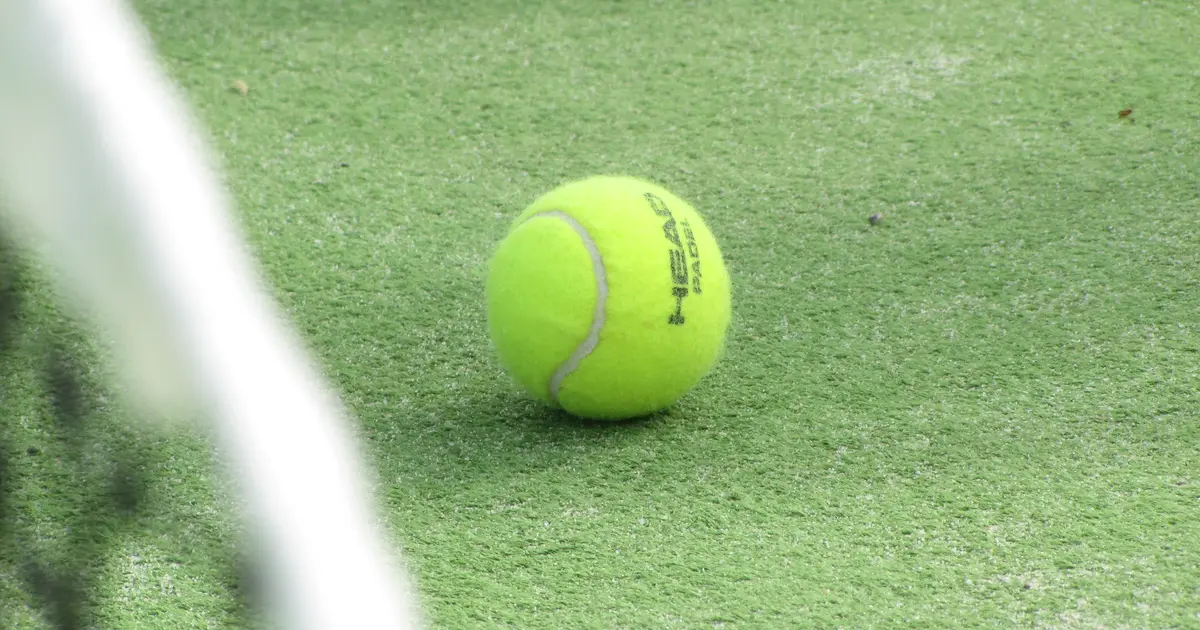
Padel Glossary — All Padel Terms and Definitions
7 min read
This glossary covers every term you will encounter in padel — from shot names to court vocabulary, rule terms, and tournament concepts. Use it as a reference when watching padel or reading about the game.
A
Ace A serve that the receiver cannot touch at all. Rare in padel because the serve is underarm and limited by the waist-height rule, but it does happen against very poor positioning.
Approach shot A ball played while moving toward the net, intended to set up a volley on the next shot.
B
Bajada Spanish for “drop” — a ball played from a high position (after the back glass) that drops sharply into the court. Also called a “back wall winner” when it results directly in a point.
Bandeja A key padel shot: a defensive-to-neutral overhead hit with slice, usually when the ball is too high or too deep to smash outright. The ball stays low after bouncing, making it hard to lob back. Allows the player to maintain net position. Literally “tray” in Spanish — the racket is held like a serving tray.
Baseline The line at the back of the court, parallel to the net.
Bolea (Spanish) A volley — a ball hit before it bounces.
C
Centreline (línea central) The imaginary line dividing the service boxes in half, extending from the service line to the net. Also the line that determines which service half the server must stand in.
Chiquita A low, fast ball played cross-court at the feet of a net player, designed to prevent an easy volley. Also called a por tres (through the gap at the feet).
Contrapared (Spanish for “counter-wall”) A shot played after the ball has bounced off the back glass and come back into the court. Playing off the contrapared (back glass rebound) is a fundamental defensive skill.
D
Deuce When the score in a game reaches 40-40. Under the 2026 FIP rules, a Star Point is played at deuce. See Star Point Rule.
Double fault When the server commits two faults in a row — the point is awarded to the receiving team.
Down-the-line A shot hit parallel to the side wall rather than cross-court.
E
Enclosure The full structure around a padel court — glass walls, metal fencing, and the frame that holds them together.
F
Fault An unsuccessful serve. Causes include: the ball hitting the net without going over, the ball landing outside the service box, the ball touching the side wall before bouncing in the service box, or a foot fault.
FIP (Fédération Internationale de Padel / International Padel Federation) The international governing body for padel, founded in 1991. Sets the official rules of padel, last revised in January 2026.
Foot fault When the server’s foot crosses the service line or centreline before the ball is struck. Results in a fault.
G
Glass (cristal) The tempered glass panels that form the back walls and parts of the side walls. Padel glass is typically 10–12 mm thick safety glass. After the ball bounces on the court, it can legally hit the glass.
Golden Point The previous deuce format in padel (before the 2026 revision), where one sudden-death point decided the game at deuce, with the receiving team choosing sides. Replaced by the Star Point at professional level in 2026.
Grip Either the handle of the racket, or the overgrip tape applied to the handle for better feel and sweat absorption.
L
Let A serve that must be replayed, typically because the ball clips the net cord and lands correctly in the service box. A let results in the serve being retaken without fault penalty.
Lob A high, deep ball hit over the heads of opponents at the net. The most important defensive shot in padel. A good lob forces the net team to retreat and plays off the back glass.
M
Match A complete competitive contest, typically best of 3 sets in amateur and club padel, best of 5 sets at professional level.
Mixed doubles A doubles format where each team consists of one male and one female player. See Mixed Doubles Rules.
N
Net The fabric barrier dividing the court. 88 cm high at the centre, 92 cm at the posts. The ball must pass over the net to remain in play.
O
Out A ball that lands outside the court boundaries or hits a structure in a way that ends the point (e.g. striking the fencing before bouncing, or going over the back fence without first bouncing on the court).
Overhead Any shot hit when the ball is above shoulder height, including the smash, bandeja, and vibora.
P
Pala (Spanish) The padel racket. A solid, stringless racket with a perforated face, approximately 45–47 cm long.
Pista (Spanish) The padel court.
Point The smallest scoring unit in padel. Four points win a game: 15, 30, 40, game (with Star Point at deuce).
Por tres See Chiquita. A low ball aimed through the gap between a net player’s feet and the ground.
R
Rally A sequence of shots hit back and forth between the two teams during a point.
Remate (Spanish) A smash — an overhead hit powerfully with the aim of ending the point directly.
Return (of serve) The first shot hit by the receiving team after the serve.
S
Salida When a player legally exits the court through the side or back openings in the fencing to retrieve a ball that has bounced over the fence. The player can play the ball from outside the court.
Serve (saque) The shot that starts each point. The server bounces the ball and strikes it underarm at or below waist height, aiming diagonally into the opponent’s service box.
Service box The rectangular area in the opponent’s half where the serve must land. Bounded by the centreline, the service line, the side wall (or its extension), and the net.
Service line (línea de saque) The line parallel to the net at 3 metres from the net, dividing the service boxes from the rest of the court.
Set A scoring unit made up of games. Won by the first team to reach 6 games with at least a 2-game lead. A tie-break is played at 6-6.
Smash (remate) A powerful overhead aimed at ending the point. In padel, most smashes hit the back glass and come back — the bandeja is often preferred for maintaining net position.
Star Point (punto estrella) The 2026 FIP deuce format: at 40-40, the receiving team chooses which side to receive from, and the team that wins that one point wins the game. Replaced the Golden Point. See Star Point Rule.
T
Tie-break A special game played at 6-6 in a set, first to 7 points (with a 2-point lead required). Service changes after the first point and then every 2 points. See Tie-break Rules.
Topspin Forward rotation on the ball that causes it to dip and bounce high. Used in the vibora overhead.
V
Vibora (víbora) An aggressive overhead shot combining topspin and slice, generating pace and an awkward bounce. More attacking than the bandeja. Literally “viper” in Spanish — named after the quick, snapping motion.
Volley (bolea) A shot hit before the ball bounces. Net players volley regularly; baseline players rarely volley.
W
Wall play The use of the back glass or side walls as part of rally play. After the ball bounces on the court, it can legally rebound off the walls and remain in play. Wall play is the defining characteristic of padel. See Wall Play.
Wrist strap (cordón) The safety cord attached to the racket handle and worn around the player’s wrist. Mandatory under FIP rules.
Related Articles
Stay in the loop
Get padel rule updates and tournament news — no spam.
More in Beginner Guides
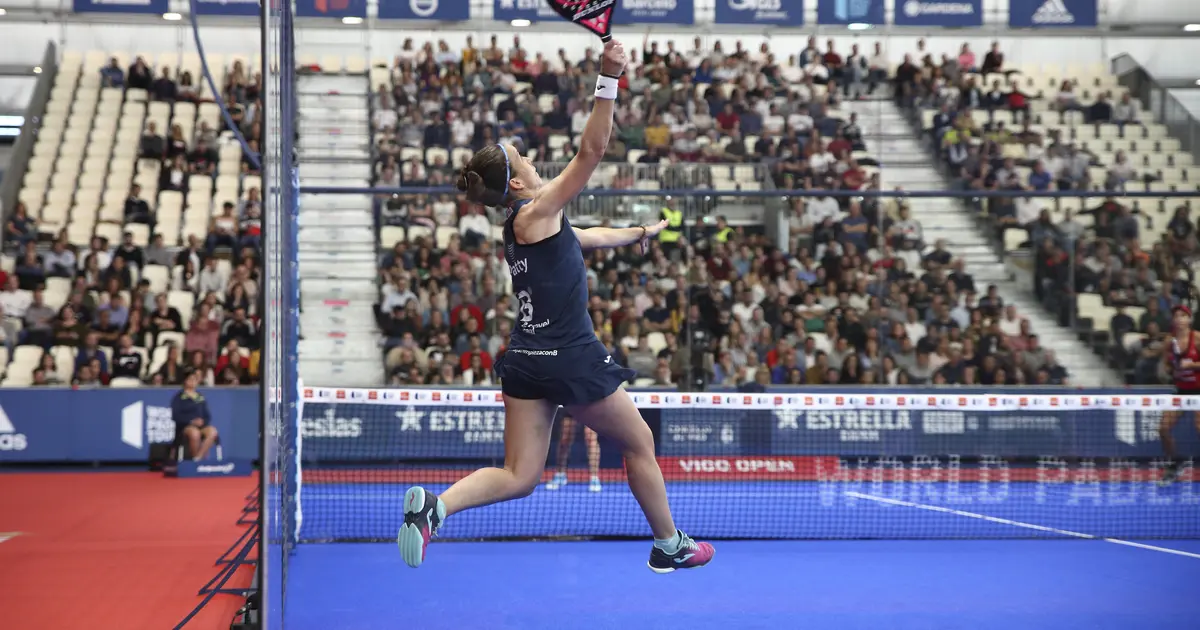
Can You Play Padel Alone? Solo Practice Options and Drills
Can you play padel alone? Padel is a doubles sport, but you can practise solo with wall drills, ball machines, and specific exercises.
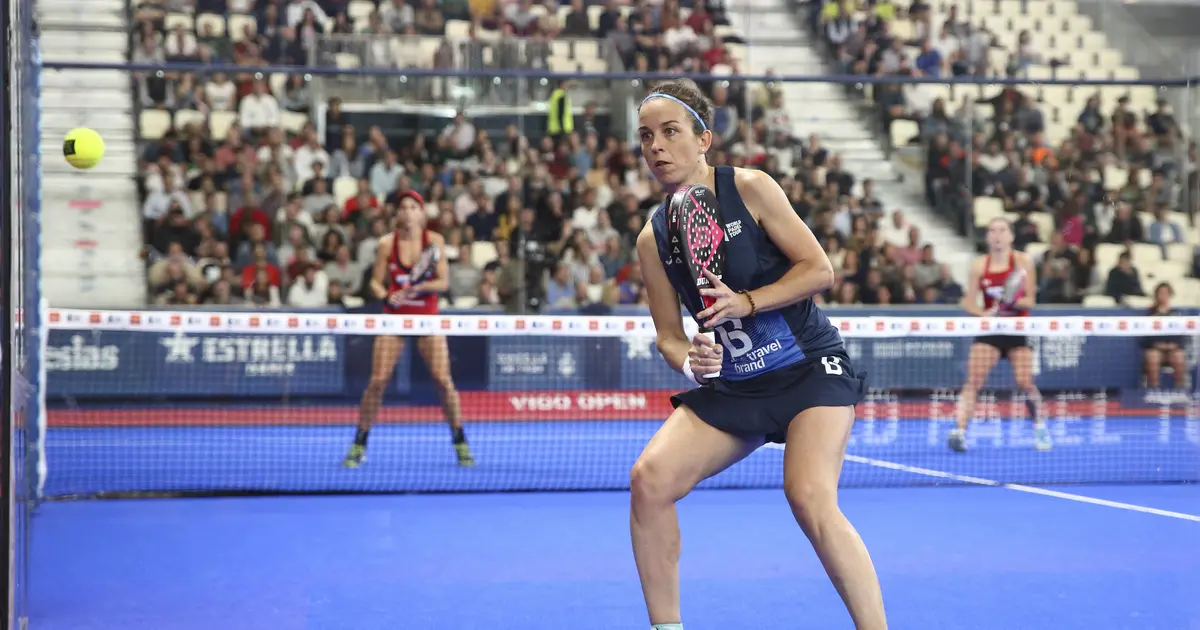
Padel Doubles Tactics — Strategy Guide for All Levels
Master padel doubles tactics with this strategy guide. Covers court positioning, attacking from the net, defending from the baseline, and key shot.
How Long Does a Padel Match Last? Average Duration and Format
How long does a padel match last? Most padel matches last 60–90 minutes. Learn about set format, tie-breaks, and what affects match duration.
How to Find and Book a Padel Court
Learn how to find and book a padel court near you using Playtomic, Matchi, Google Maps, and club websites. Includes tips for first-timers on pricing, equipment hire, and what to expect.