 PADEL RULES
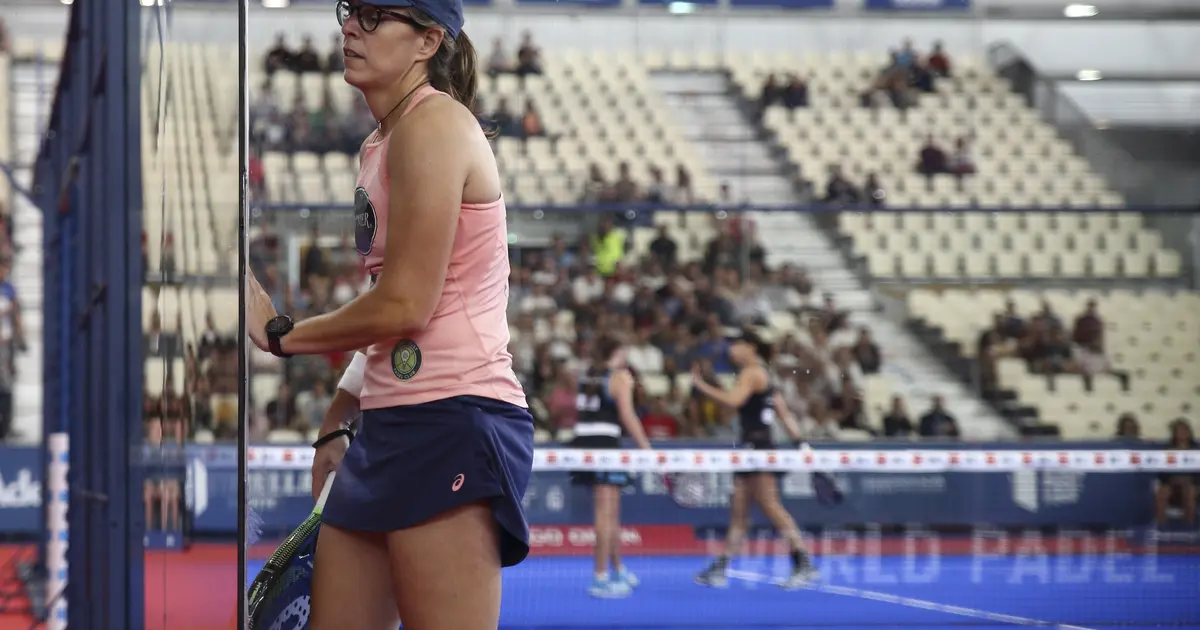
Padel Formations Explained: 1-3, Australian, and When to Use Each
8 min read
Formations are the backbone of padel positioning. Knowing when to shift between them separates effective pairs from chaotic ones. This guide covers the three main formations and the movement principles that connect them.
The 2-2 Formation: The Foundation of Padel
The standard formation is the 2-2 setup: both players side by side, roughly equidistant from the centreline. This applies whether both players are at the net or both at the baseline.
Both Players at the Net
Stand approximately 3-4 metres from the net, each covering one half of the court. This is the strongest position in padel — you can volley down at angles, finish points with overheads, and pressure opponents into errors. See the net play strategy guide for more detail.
Both Players at the Baseline
When defending, both players drop back to within 2-3 metres of the back wall, giving you time to read shots, use the back glass, and look for opportunities to lob or counter-attack. The defensive tactics guide covers baseline play in detail.
The 2-2 ensures even court coverage. Each player covers roughly half the court, and when both are at the same depth, they can handle lobs, angles, and shots down the middle.
The Invisible Rope: Moving as a Unit
Imagine a rope tied between you and your partner. When one moves forward, the other follows. When one retreats, the other retreats. You should always be at roughly the same depth on the court.
- After a strong lob that pushes opponents back, both of you advance toward the net together.
- When your opponents hit a deep smash, both of you retreat together.
- Laterally, if your partner is pulled wide to the side wall, you shift across to cover the middle.
Breaking the invisible rope creates a gap through the middle that good opponents will exploit immediately. Strong partner communication is essential to staying connected.
The 1-3 Formation: Three at the Net, One at the Back
The 1-3 is not something you deliberately set up. It emerges during a rally when three players are at the net and one is stuck at the baseline.
How It Forms
The most common scenario: the server’s partner is at the net and the server is at the baseline. If the returning team both advance after a strong return, the court has three players forward and one back. It also arises when one defending player advances while their partner is still pinned back.
Exploiting the 1-3
If your team has two players at the net and the opponents are split, you hold a significant advantage:
- Target the player at the back. Hit volleys deep to their feet or into the corners to keep them pinned.
- Attack the middle. The gap between the opposing net player and baseline player is the most vulnerable area.
- Use sharp angles. Wide cross-court volleys are difficult for the lone baseline player to cover.
Escaping the 1-3
If you are the player stuck at the back, your priority is to get forward:
- Hit a quality lob over the net players to push them back and give yourself time to advance. See defensive tactics for more on using the lob as a recovery tool.
- Play a low, controlled shot at the feet of a net player to force a weak reply.
- Communicate with your partner so they can adjust their coverage as you move up. The partner communication guide covers this in detail.
Avoid staying in the 1-3 for too long. The split position is inherently unstable and favours the team with both players forward.
The Australian Formation: A Serving Surprise
Normally, the server’s partner stands at the net on the opposite side. In the Australian, the server’s partner moves to the same side as the server, leaving the opposite side temporarily open.
Why Use It
Most returners default to a cross-court return, aiming diagonally away from the net player. When the net player is on the same side as the server, that cross-court shot goes straight to them. The returner must decide in a split second whether to go cross-court, down the line, or lob — and that hesitation often produces weaker returns. For more on serving patterns, see the serve strategy guide.
How to Execute It
- The server’s partner positions on the same side as the server, crouching at the net.
- The server serves and immediately slides across to cover the open side.
- The net player intercepts any cross-court return with a volley.
If the server is slow to cover the open side, the returner can simply hit to the empty half. Practise the serve-and-slide until it becomes automatic.
When to Use It
The Australian works best when the returner has a predictable cross-court return you want to neutralise, or when you need to disrupt an opponent pair’s comfortable return pattern. Use it sparingly — play it every point and your opponents will adapt.
Transition Triggers: When to Move Forward, When to Retreat
Knowing which formation to be in is only half the challenge. The other half is recognising the triggers that tell you when to shift.
Move Forward When
- You or your partner hit a deep lob that forces opponents behind the baseline — advance together while they retreat.
- Your opponent pops up a short ball with height — step in and take the net together.
- You hit a strong, low return of serve that forces the net player to volley up. The return of serve tactics guide explains how to build your approach around these moments.
Retreat When
- Your opponents hit a deep smash or bajada — both players should drop back together to reset the point.
- A lob goes over your head and you cannot reach it with an overhead — turn and retreat together.
- You are consistently being beaten at the net — dropping back to regroup is smarter than staying in a losing position.
Court Coverage and the Diagonal Principle
Effective formations depend on understanding how the court is divided tactically. The diagonal principle is simple: the player on the ball side covers straight shots and the near side wall. The other player covers the middle and the cross-court angle. When the ball moves to the other side, responsibilities swap.
Both players should constantly make small lateral adjustments, shifting a step or two toward the ball side. The middle of the court should always be covered by at least one player — leaving it open is one of the fastest ways to lose points.
Common Positioning Mistakes
One Up, One Back
The most frequent error in recreational padel. One player charges the net while their partner stays at the baseline, creating a vertical gap through the middle. Good opponents will thread balls into that gap repeatedly. The invisible rope applies at all times.
Leaving the Middle Open
When both players drift too far toward the side walls, the centre of the court becomes a highway. Stay compact — each player should be no more than a step or two from the centreline when at the net.
Not Adjusting Laterally
When the ball is on your partner’s side, shift slightly toward the middle. Many players stand still and only react to balls hit directly at them, leaving the cross-court angle exposed.
Standing Too Close to the Net
Players who crowd the net (within 1-2 metres) get lobbed constantly and cannot react to fast volleys. The optimal net position is 3-4 metres back, giving you time to react and cover lobs with a step or two.
For more on avoiding common errors, see the beginner’s guide to padel and the player positioning rules.
Tips for Practising Formations
Formations improve fastest with deliberate practice. Here are drills to build into your sessions:
- Shadow drill. One player moves forward, backward, and laterally while their partner mirrors them. No ball needed — the goal is to build the habit of moving together.
- Lob-and-advance. One pair starts at the baseline, hits a lob, then advances to the net together. The other pair practises retreating. Alternate roles.
- Australian point play. Serve an entire game using only the Australian formation to practise the positioning and the post-serve slide.
- Middle target drill. Place a cone in the centre of the court. The net pair keeps the middle covered while the baseline pair tries to hit through it.
- Call every transition. During practice matches, call out “up” or “back” every time you change formation. This builds the verbal habits you need in competitive play. See the partner communication guide for more on what to say and when.
Master the 2-2 foundation first, learn to recognise the 1-3 when it appears, and add the Australian when you are ready for variety. For a broader look at doubles strategy, see the doubles tactics guide.
Stay in the loop
Get padel rule updates and tournament news — no spam.
More in Strategy & Tactics
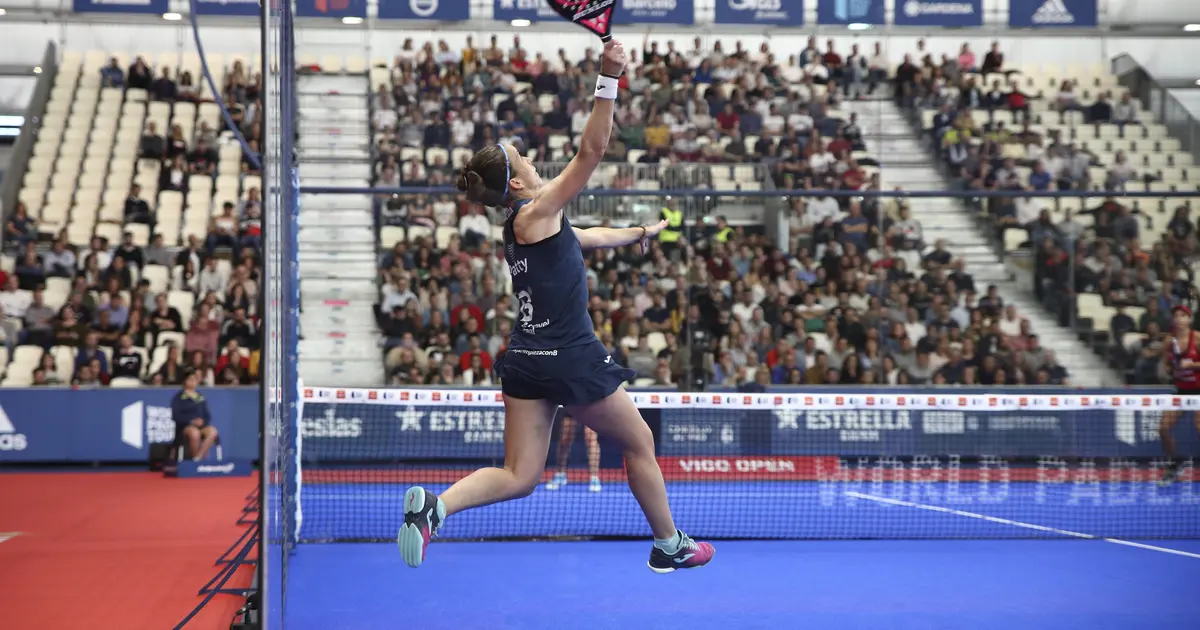
10 Most Common Padel Mistakes — And How to Fix Them
Avoid the 10 most common padel mistakes that beginners and intermediate players make — from hitting too hard off the walls to poor net positioning — with practical fixes for each.
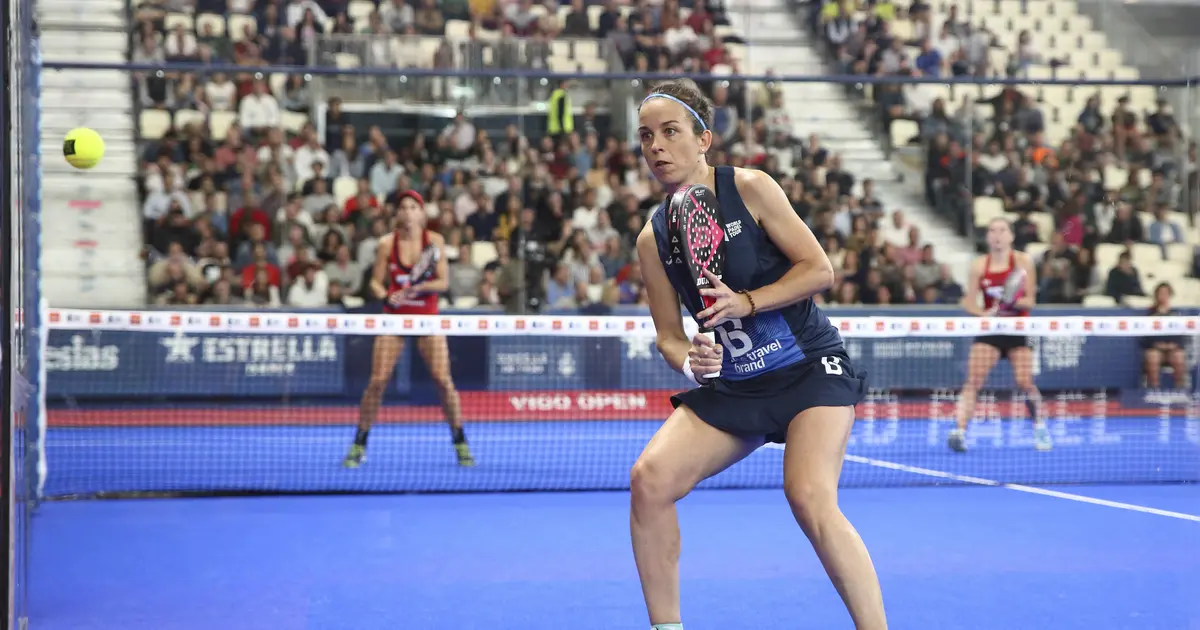
Defensive Padel Play — Glass Walls, Lob Defence & Resetting Points
Master defensive padel tactics including glass wall play, lob defence, and how to reset points when your opponents control the net.
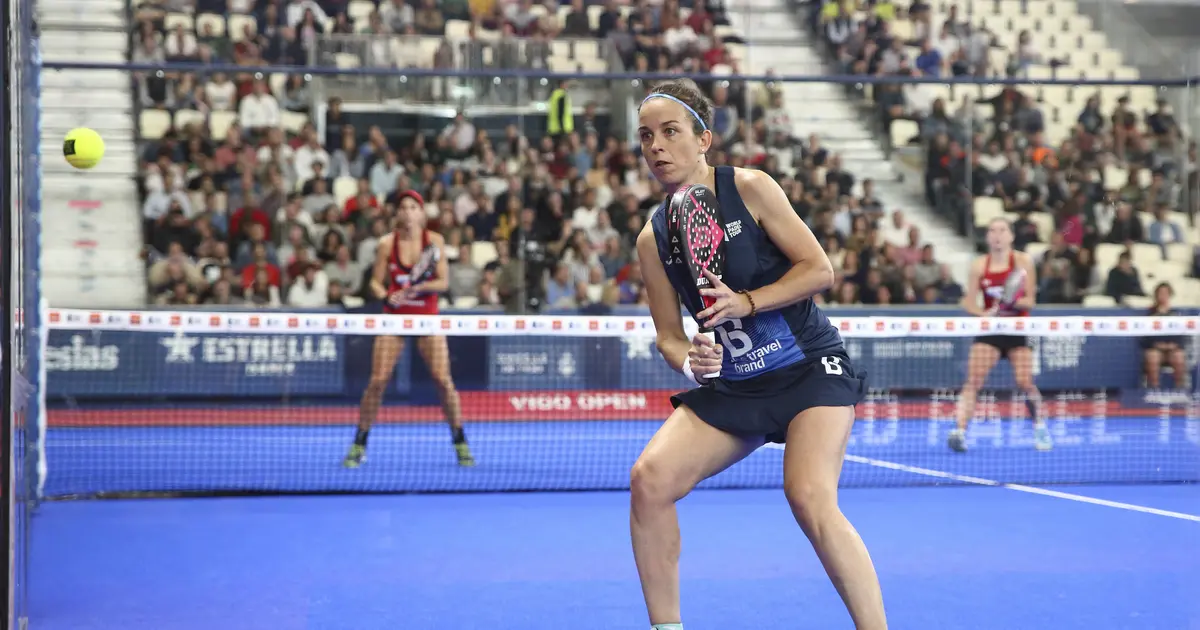
Dominating the Net in Padel — Volley Positioning, Poaching & Overhead Coverage
Learn how to dominate the net in padel with proper volley positioning, when to poach, overhead coverage, and how to maintain net control throughout.
Padel Attack vs. Defence — When to Go for the Winner
Learn the decision-making framework behind padel tactics strategy — when to attack, when to defend, how to read transition moments, and why patience wins more points than aggression.