 PADEL RULES
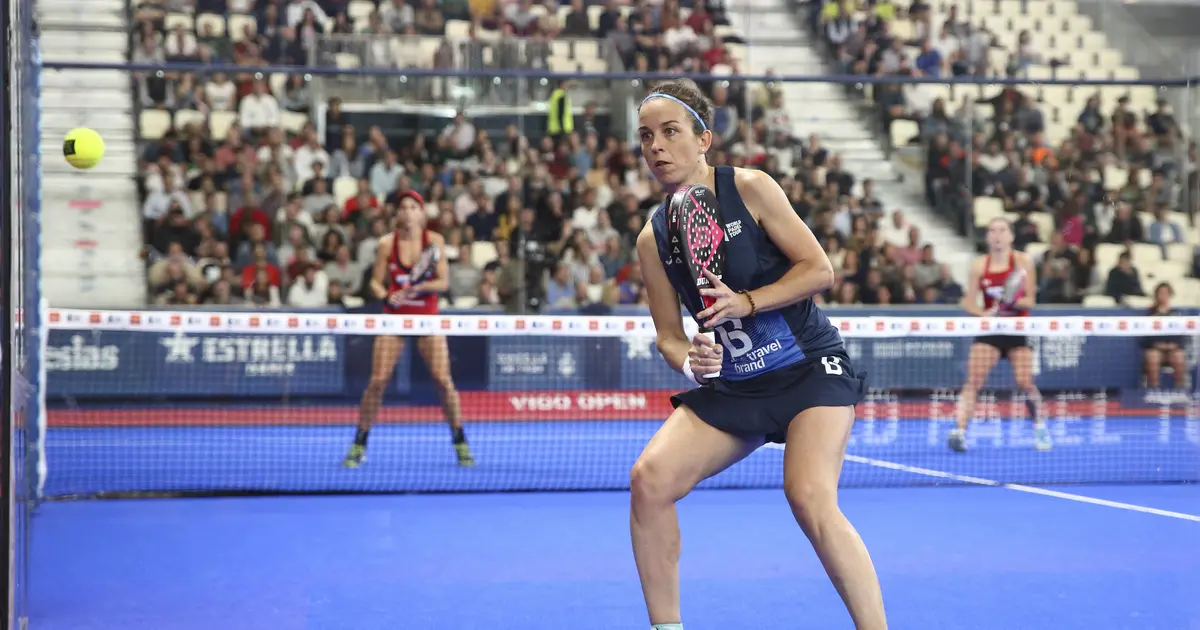
Left Side vs Right Side in Padel: Which Position Should You Play?
8 min read
In padel, every pair divides the court into two halves — left and right. Unlike tennis doubles, padel players generally commit to one side for the entire match. Your side determines which shots you hit most often, what role you play, and how your strengths are used. Choosing the right side is one of the most important decisions you and your partner will make. For a broader look at how partners share the court, see positioning fundamentals.
The Two Sides Explained
Right Side — Derechas (Drive)
The right side is called the derechas or “drive” side. For a right-handed player here, the forehand faces the side wall and the backhand covers the centre of the court. Most balls arriving through the middle come to this player’s backhand.
The right side player receives serve on the deuce court and is typically the first to touch the ball in a rally. This side favours consistency, placement, and control.
Left Side — Reves (Backhand)
The left side is called the reves side. For a right-handed player here, the forehand faces the centre. This means the most common ball trajectories — diagonal returns, lobs down the middle, cross-court drives — arrive on this player’s forehand.
Because the forehand is the stronger shot for most players, the left side naturally lends itself to aggressive play. The left side player also covers wider angles and gets more opportunities for overhead finishing shots like the smash, bandeja, and vibora.
Roles: Playmaker vs Finisher
The division of the court creates two distinct roles within a padel pair. Understanding these roles is essential for effective doubles tactics.
The Right Side Player — The Playmaker
The right side player is the architect of the point. Their job is to:
- Control the middle. The right side player covers more of the centre, handling balls that split the pair.
- Build the point. Through well-placed volleys and returns, the right side player creates openings. A reliable volley game is essential here.
- Feed the left side. Many points are “set up” on the right and “finished” on the left. A right side player who can redirect the ball gives their partner chances to attack.
- Stay solid under pressure. Opponents often target this side with deep serves and fast drives. Composure matters more here than raw power.
The Left Side Player — The Finisher
The left side player is the closer. Their job is to:
- Attack overhead balls. Most smashing opportunities come to the left side. Decisiveness with overhead shots is essential.
- Cover wide angles. Balls hit to the far left corner demand fast lateral movement and strong wall play.
- Dictate the tempo. The left side player decides when to accelerate — stepping in early or punishing a short lob.
- Protect the partner. When the right side player is pulled wide, the left side player shifts across to cover. Good partner communication makes this seamless.
Physical and Technical Demands
Each side asks for a different set of skills.
What the Right Side Demands
- Backhand confidence. Most balls through the middle arrive on the backhand. Comfort with backhand volleys, drives, and returns of serve is essential.
- Consistency over power. The right side player touches the ball more often and hits fewer winners. Unforced errors are costly.
- Good return of serve. The right side player returns on critical deuce-court points. A reliable, deep return that sets up the net approach is a core skill. See serve strategy for more.
- Patience. This side rewards players who enjoy building patterns rather than forcing the action.
What the Left Side Demands
- Strong overhead game. A dependable bandeja and smash are non-negotiable, and ideally a vibora for variety.
- Power and reach. Covering the wide left requires lateral speed and the ability to hit with authority from stretched positions.
- Shot selection. The left side player constantly chooses between going for a winner and keeping the ball in play. Poor decisions cost points.
- Forehand versatility. The left side forehand is used for volleys, drives, overheads, and wall play — it must function in many situations.
How Handedness Affects Side Choice
Handedness plays a bigger role in padel side selection than most beginners realise.
Right-Handed Players
A right-handed player on the right side has their backhand covering the centre — the traditional setup. On the left side, their forehand covers the centre, which is the ideal position for attacking the most common ball trajectories.
Left-Handed Players
Left-handers change the equation. A left-handed player on the right side has their forehand facing the centre, bringing attacking power to the playmaker position. This gives the pair two forehands covering the middle — a significant advantage.
A left-handed player on the left side has their backhand facing the centre, meaning overhead shots through the middle must be hit with the backhand — a harder proposition for most players.
The classic professional combination: one right-hander on the left, one left-hander on the right. Two forehands in the middle makes this the most offensive configuration in padel.
How to Choose Your Side
If you are unsure which side suits you, ask yourself:
- Do I prefer setting up points or finishing them? Playmakers belong on the right. Finishers belong on the left.
- How is my overhead game? Confident with the smash and bandeja? The left side will use those skills. If overheads are a weakness, the right side is more forgiving.
- How is my backhand? A solid backhand — especially on volleys — is essential for the right side.
- Do I prefer consistency or aggression? The right side rewards patience. The left rewards decisive play.
- Am I left-handed? Consider the right side seriously. Your forehand through the middle is a weapon most right-handed right side players lack.
If you are new to padel, start on the right side. It teaches court sense, positioning, and rally construction — fundamentals for either side. For more guidance, see the beginner’s guide.
How Professional Pairs Are Built
At the highest level, pairs are assembled with complementary strengths in mind:
- Contrasting styles. A patient right side player paired with an explosive left side player covers more situations than two players with the same profile.
- Handedness advantage. A left-hander on the right and a right-hander on the left creates two forehands in the middle — difficult for opponents to attack through the centre.
- Communication and chemistry. The best pairs anticipate each other’s movements and call switches instinctively. Good partner communication turns two individuals into a unit.
- Net presence. Both players must be comfortable at the net. The right side player is the steady hand; the left side player is the aggressive presence. Together, they close the net as a wall.
When to Switch Sides or Experiment
Committing to a side does not mean you can never change. There are good reasons to switch:
- Development. Playing the opposite side in practice forces you to build shots you otherwise neglect — overhead skills for right side players, backhand sharpness for left side players.
- New partners. When you play with a new partner, the best configuration depends on both players’ strengths. Be open to trying either side.
- Mid-match tactics. Some pairs switch sides during a match to disrupt opponents’ patterns or exploit a weakness. Uncommon, but effective when a match is slipping away.
- Physical management. If one player is fatiguing, switching can redistribute the workload.
The key is to have a primary side you know deeply while remaining adaptable enough to play the other when needed.
Common Myths About Sides
”The left side player is always the better player”
Not true. The left side player is more visible — they hit the spectacular smashes and winners. But without clean ball construction from the right, there is nothing to finish. Both sides are essential.
”You should always put the stronger player on the left”
This ignores what “stronger” means. A player with a phenomenal backhand and excellent court awareness may be far more valuable on the right. Side selection should be based on skill profile, not a general ranking of ability.
”Beginners cannot play the left side”
Beginners can play either side, but the right teaches fundamentals more naturally. Starting on the right builds a foundation that makes transitioning to the left easier later.
”Left-handers must play the right side”
Left-handers are excellent on the right, but “must” is too strong. Some left-handed players have developed powerful backhand overheads and prefer the left. Try both and assess which configuration works best with your specific partner.
Final Thoughts
Choosing your side is not about ego — it is about finding the position where your skills contribute most to the pair. Neither side is more important, and the best pairs understand that both roles must be played well to win.
Learn both sides. Talk with your partner. The best side for you is the one where your strengths shine and your weaknesses are covered — not the one that looks more exciting from the outside.
Stay in the loop
Get padel rule updates and tournament news — no spam.
More in Strategy & Tactics
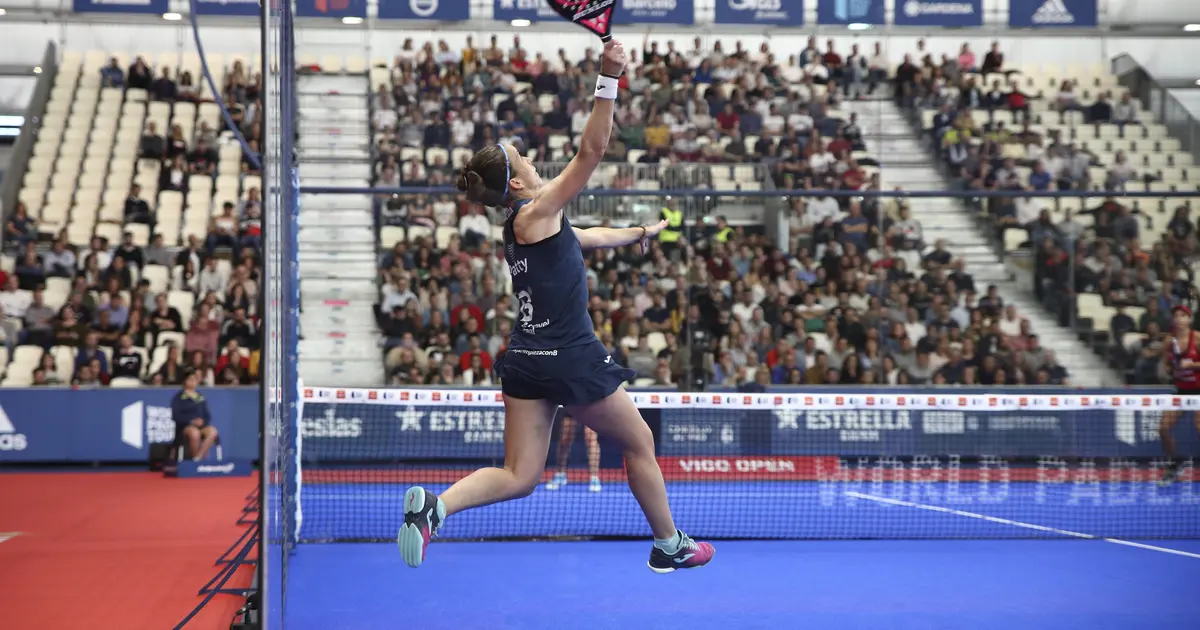
10 Most Common Padel Mistakes — And How to Fix Them
Avoid the 10 most common padel mistakes that beginners and intermediate players make — from hitting too hard off the walls to poor net positioning — with practical fixes for each.
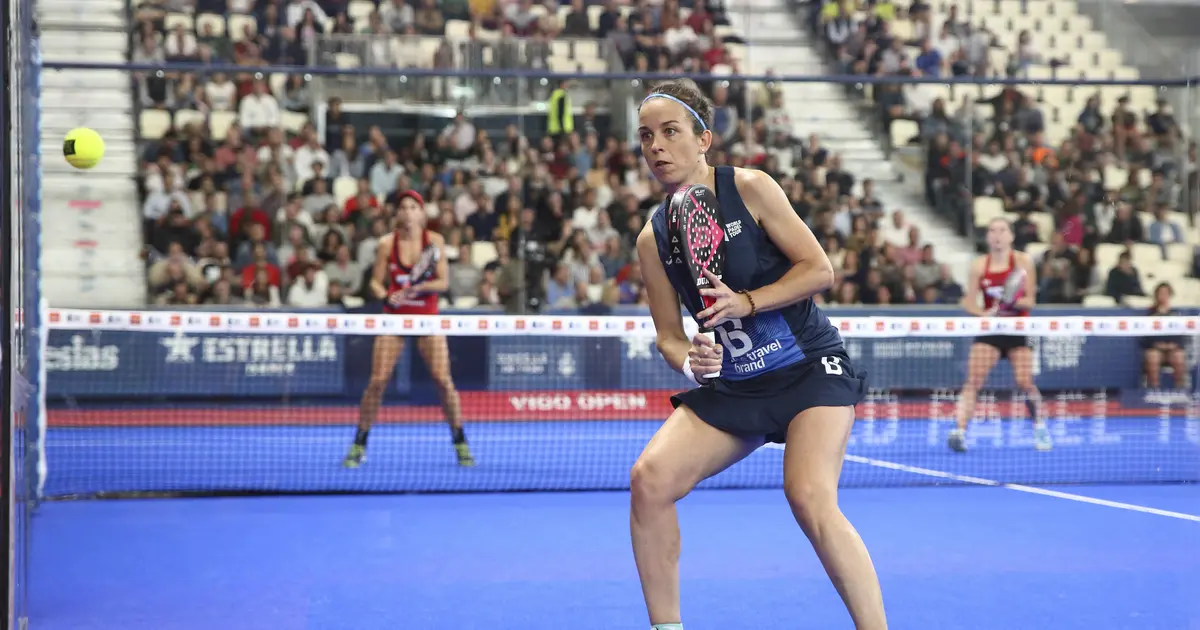
Defensive Padel Play — Glass Walls, Lob Defence & Resetting Points
Master defensive padel tactics including glass wall play, lob defence, and how to reset points when your opponents control the net.
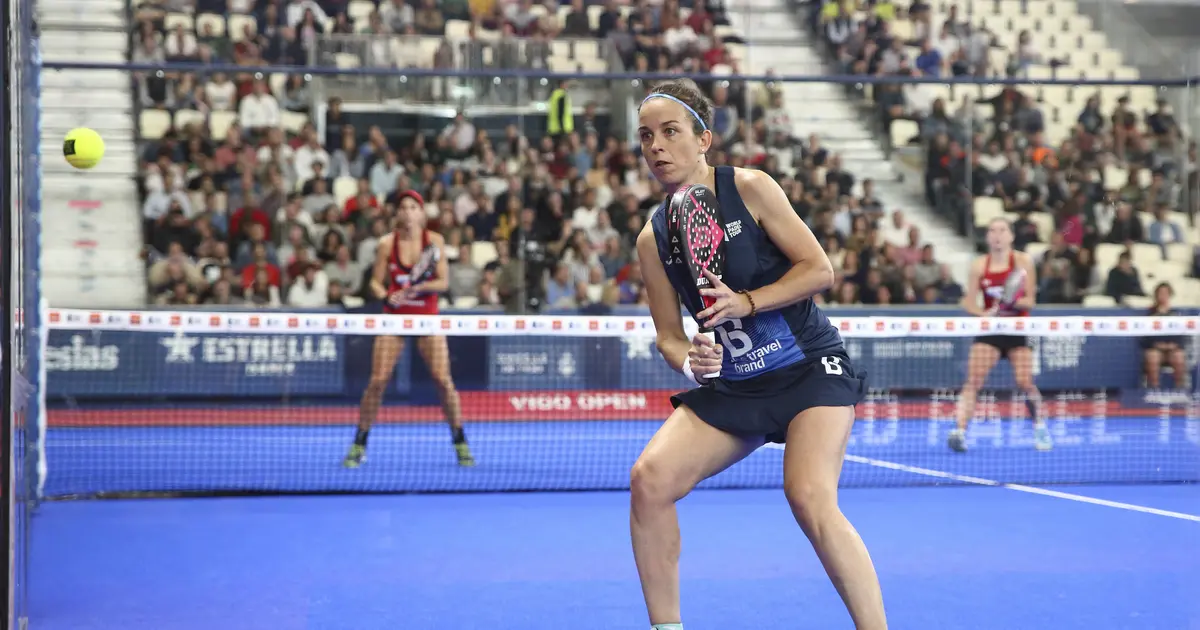
Dominating the Net in Padel — Volley Positioning, Poaching & Overhead Coverage
Learn how to dominate the net in padel with proper volley positioning, when to poach, overhead coverage, and how to maintain net control throughout.
Padel Attack vs. Defence — When to Go for the Winner
Learn the decision-making framework behind padel tactics strategy — when to attack, when to defend, how to read transition moments, and why patience wins more points than aggression.