 PADEL RULES
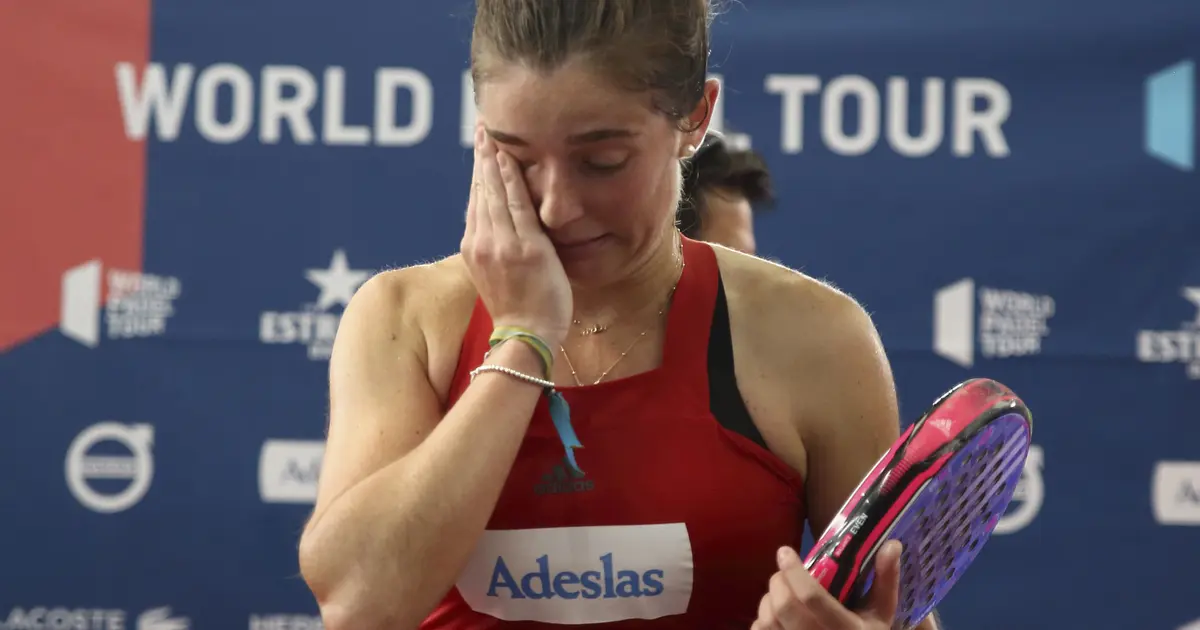
Choice of Sides and Service: Strategic Decisions Before Match Begins
7 min read
The coin toss might seem like a formality, but it’s actually a strategic decision point. Choosing to serve first or selecting the better end can affect match dynamics, momentum, and even individual performance in tight matches.
Why This Decision Matters
The coin toss determines two things:
- Who serves first — sets opening momentum
- Which end to start from — environmental advantage (sun, wind, court surface)
Both have measurable impacts on early match performance.
Serve First vs. Receive First: The Trade-Off
Advantage of Serving First
Psychological momentum:
- Sets the tone of the match
- You control the opening game’s rhythm
- Confidence-building if you hold serve
Statistical edge (minor):
- Professional data shows ~55% first-serve win rate vs. 45% for receivers in the opening game
- Advantage disappears quickly (by game 3-4, both teams are warm and equally skilled)
- This is a cold-team effect, not a real advantage
Advantage of Receiving First
Defensive confidence:
- Some players feel more confident defending first (less pressure)
- You see opponent’s serve patterns before you must serve
- Allows your opener to warm up while your partner handles initial pressure
Mental edge (context-dependent):
- Letting opponents “go first” can feel psychologically safer
- Teams with strong defensive starters prefer this
- Especially useful if your service partner tends to be cold
Break-serving momentum:
- If you break serve early, psychological boost is enormous
- Opponents feel pressure immediately
Professional Practice
Top pro teams:
- Often choose to receive first
- Let opponents warm up and feel pressure
- Confident they can break serve
- Then dominate from game 2 onward
Nervous or cold teams:
- Often choose to serve first
- Want to control early game
- Build confidence with a hold
There’s no universal “right” answer — it depends on team psychology, warm-up style, and confidence level.
Choosing Your End: Environmental Factors
This is where real strategy emerges. The winning team can choose which end to start from, and court conditions matter:
Sun Direction
Critical factor at outdoor courts:
- If sun is at one end, the server is backlit (opponent has clearer view)
- Receiver is blinded by sun (harder to return serve)
- You want to start at the end where YOU serve (sun behind you), not the end where you receive
Professional tournaments always account for this. Many matches are scheduled to start at times when sun advantage is minimized.
Wind
More relevant at outdoor courts:
- Wind affects ball trajectory, especially on serves and long shots
- Serving into wind requires more power (disadvantageous)
- Wind at your back helps serve placement
- Some ends may be more sheltered than others
Smart teams choose the end where they serve with the wind at their back in the first game.
Court Surface Temperature
Subtle but real:
- One end might be in shade; the other in direct sun
- Warmer courts create faster play (balls bounce higher)
- Cooler courts slow the ball down
- Your preferred play style determines which end helps (fast players prefer warm; defensive players prefer slow)
Court Bias
Some courts have structural asymmetry:
- One end’s net might be slightly different (tape on one side?)
- One service line might be painted differently
- Glass reflection favors one direction
- Surface wear might make one end slightly different
Professional players scope the court before toss specifically to identify these biases.
The Coin Toss: Method
Coin Toss
- Traditional method: flip a coin, call heads/tails before it lands
- Referee conducts in supervised matches
- Simple and unambiguous
Racket Spin
- More common in practice: spin a racket and call which direction the logo lands
- Players conduct it themselves in club play
- Less formal but acceptable at all levels
Both are equally valid. The FIP rules accept either.
Available Choices: The Hierarchy
The team that wins the toss gets first pick and has four options:
Option 1: Choose to Serve
- You serve the first game
- Opponents choose which end to start from
Option 2: Choose to Receive
- Opponents serve the first game
- Opponents choose which end to start from
Option 3: Choose an End
- You pick which end to start from
- Opponents choose whether to serve or receive
Option 4: Defer
- Let opponents choose first from options 1–3
- You take whatever remains
The choices cascade: whoever makes the first choice removes options for the second team.
Example cascade:
- Winner chooses to serve → Loser picks an end
- Winner chooses an end → Loser picks serve/receive
- Winner defers → Loser chooses anything, winner gets remainder
Strategic Toss Decisions
Simple: Choose to Serve (Most Common)
Most teams choose serve first (straightforward, momentum-focused). Then opponents decide the end. This is the least strategic choice because you’re not optimizing end advantage.
Strategic: Choose an End First
Better approach:
- Scout the court before toss
- Identify environmental advantages (sun, wind, surface)
- Choose the end that helps your serve
- Force opponents to decide serve/receive strategically
This is what professional teams do.
Rare: Defer
Why defer?
- You haven’t scouted the court yet
- You want to see opponents’ choice before committing
- You’re uncertain about conditions
Problem with deferring:
- You lose information advantage
- Opponents now choose optimally for themselves
- You’re left with their leftovers
When it makes sense:
- Only if you genuinely don’t know court conditions
- Or if your team has poor pre-match scouting
Deferral is almost never the best choice at competitive levels.
Warm-Up Period
After the toss, before the first serve, both teams get a warm-up period:
Professional Events (FIP-Sanctioned)
- Duration specified in tournament regulations
- Usually 5–10 minutes
- Both teams on court simultaneously
- Supervised by referee
Club and Recreational Play
- Usually 5–10 minutes informally agreed
- Or “short hit-up” until both teams feel ready
- Less formal; players decide together
The warm-up is essential for cold teams and allows players to:
- Test the court surface and conditions
- Find rhythm with their partner
- Identify environmental factors (sun glare, wind, court bias)
- Build confidence before competitive play
Practical Example
Scenario: You win the toss at an outdoor court with sun at the baseline end. Wind favors one direction.
Optimal choice:
- Scout the court during coin toss (2 minutes before it happens)
- Identify: Sun behind one end (good for servers), wind slightly favoring ball movement toward one end
- Choose: Pick the end where you serve (sun behind you, wind at your back)
- Result: Opponents must choose serve/receive at your disadvantage
This is more strategic than simply choosing to serve first and letting them pick the end.
Summary
| Aspect | Key Point |
|---|---|
| Coin toss method | Coin or racket spin; either valid |
| Serve first advantage | Minor statistical advantage; mostly psychological |
| Receive first advantage | Works for confident, defensive teams |
| End choice strategy | Scout for sun, wind, surface; choose your advantage |
| Deferral | Rarely optimal; use only if you haven’t scouted |
| Warm-up time | 5–10 minutes both teams practice before competitive play |
| Most strategic | Scout court, choose advantageous end, force opponents’ decision |
For related rules, see scoring system and changeovers.
Stay in the loop
Get padel rule updates and tournament news — no spam.
More in Scoring & Match Structure

Alternative Scoring Methods
FIP Rule 1 permits three official alternative scoring formats — the Mini Set (4 games), Match Tie-Break (7 points), and Super Match Tie-Break (10 points).
Change of Balls
The FIP rules (Rule 17) allow balls to be changed during a match at scheduled intervals. Learn when ball changes happen, who controls the schedule, and what players can and cannot request.
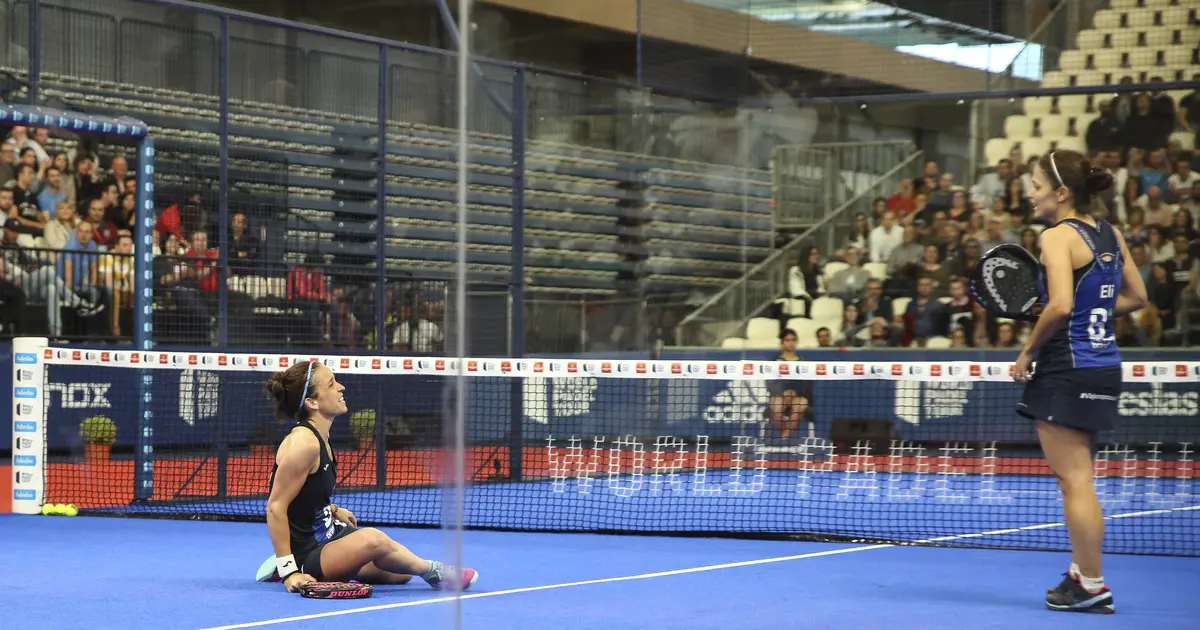
Changes of Sides in Padel: When You Switch Ends and Why It Matters
Players change ends after the first game, then every two games. Learn the full changeover schedule, tie-break side changes, rest intervals (90 seconds vs. 120 seconds), and why the even/odd total rule exists.

Tie-Break Rules
A standard tie-break is played at 6 games all in any set. The match tie-break (played to 10 points) decides the third set in most professional and club.