 PADEL RULES
Change of Balls
3 min read
Padel balls lose pressure over time during play, which affects bounce and feel. The FIP Rules of Padel (Rule 17) address when and how balls may be replaced during a match.
When Balls Are Changed
Ball changes, if any, must be scheduled and announced before the match begins. The competition organiser must announce in advance: the brand and type of balls, the number of balls in play (2 or 3), and the change policy.
Changes are made using one of these methods:
- After an established odd number of games — the most common format. For counting purposes:
- The warm-up period counts as 2 games
- A tie-break counts as 1 game
- Not at the start of a tie-break — if a scheduled change falls at the tie-break, it is delayed until the beginning of the second game of the following set
- At the beginning of a set
If a scheduled change is missed, it must be corrected when it is the turn of the team that should have had new balls first. After correction, subsequent changes continue as originally planned.
Lost or Damaged Balls
If a ball is lost or damaged during the match:
- Another ball must be put in play as soon as possible — the match may not continue with only one ball
- The Chair Umpire provides replacement balls of the same type
- If the ball is lost within the first two games after a change: a new ball is used as replacement
- If the ball is lost after two or more games since the change: a used ball of similar wear is used as replacement
Who Provides Balls
The competition organiser is responsible for specifying the approved balls. In professional FIP events, balls are provided by the tournament and managed by ball boys/girls. In club and recreational matches, players typically supply their own balls. Either team may request a count of how many games remain until the next scheduled change.
Ball Specification
Replacement balls must comply with the FIP ball specification. See ball requirements for the full specification (diameter, weight, pressure, and bounce). Read our padel balls guide for brand comparisons and buying recommendations.
Summary
| Aspect | Rule |
|---|---|
| Schedule | Announced before match; after an odd number of games, or at set start |
| Warm-up counting | Counts as 2 games toward ball change trigger |
| Tie-break counting | Counts as 1 game toward ball change trigger |
| Tie-break timing | Ball change never at tie-break start; delayed to game 2 of next set |
| Ball lost within first 2 games of new set | New ball provided |
| Ball lost after 2+ games since change | Used ball of similar wear |
| Ball specification | Must meet FIP standards |
Stay in the loop
Get padel rule updates and tournament news — no spam.
More in Scoring & Match Structure

Alternative Scoring Methods
FIP Rule 1 permits three official alternative scoring formats — the Mini Set (4 games), Match Tie-Break (7 points), and Super Match Tie-Break (10 points).
Changes of Sides in Padel: When You Switch Ends and Why It Matters
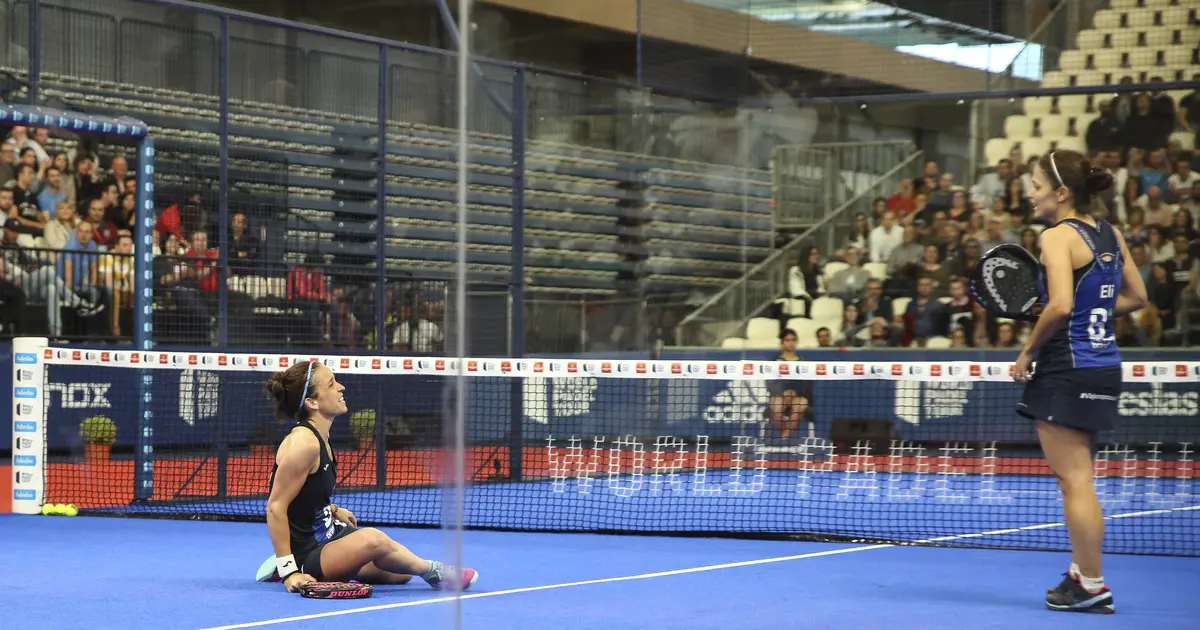
Players change ends after the first game, then every two games. Learn the full changeover schedule, tie-break side changes, rest intervals (90 seconds vs. 120 seconds), and why the even/odd total rule exists.
Choice of Sides and Service: Strategic Decisions Before Match Begins
The coin toss determines who chooses serve first or which end to start from. Learn why serve advantage matters, how end choice affects play (sun, wind, court bias), and when deferral is strategic.

Tie-Break Rules
A standard tie-break is played at 6 games all in any set. The match tie-break (played to 10 points) decides the third set in most professional and club.