 PADEL RULES
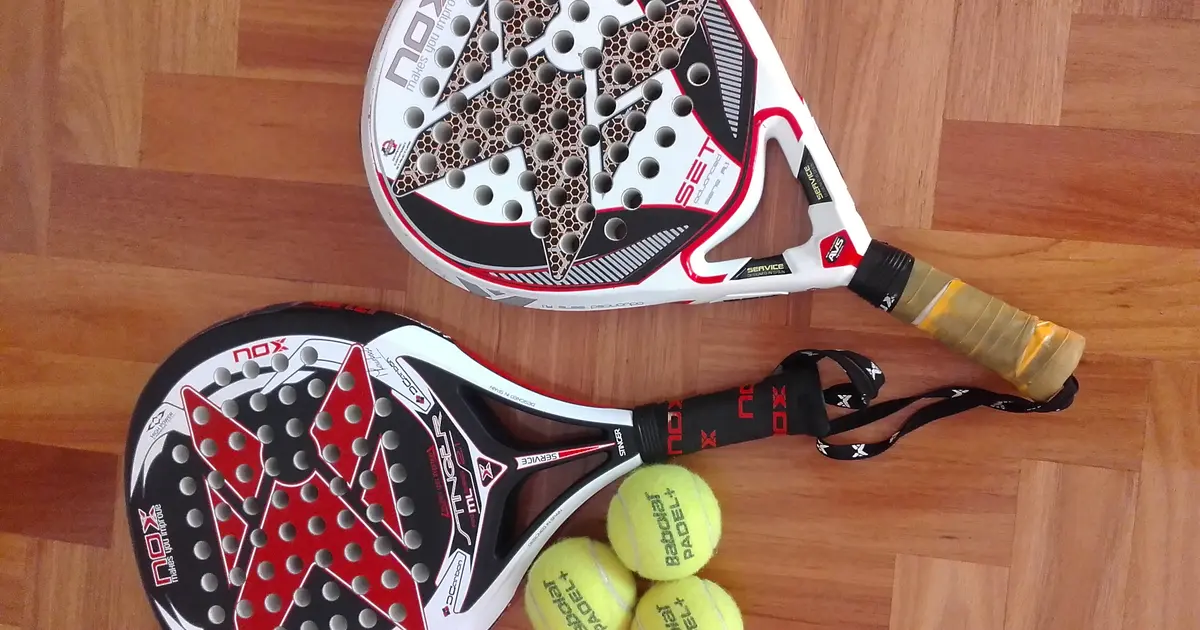
Best Padel Balls 2026 — FIP-Approved Brands Compared
8 min read
Padel balls might look like tennis balls at first glance, but they are purpose-built for a different sport. The right ball affects bounce consistency, wall play, spin response, and how long a can lasts before you need a fresh one. Whether you are a club player stocking up for the season or a beginner buying your first tube, this guide covers everything you need to know about padel balls in 2026.
Padel Balls vs Tennis Balls: Key Differences
Padel balls and tennis balls are close cousins, but several critical differences make them non-interchangeable.
Size
Padel balls have a diameter of 6.35–6.77 cm. Tennis balls are slightly larger at 6.54–6.86 cm. The ranges overlap, but padel balls can be noticeably smaller at the lower end of the specification.
Internal Pressure
This is the most important difference. Padel balls have a lower internal pressure — 4.6–5.2 kg per 2.54 cm² — compared to tennis balls, which are pressurised to a higher level. The lower pressure gives padel balls a slower, lower bounce, which is essential for walled courts. A high-bouncing tennis ball would fly off the glass walls unpredictably and make the game uncontrollable.
Bounce Height
When dropped from 2.54 m onto a hard surface, a regulation padel ball bounces 135–145 cm. Tennis balls bounce higher under the same conditions. This controlled bounce is what makes wall play tactical rather than chaotic.
Felt and Surface
Both ball types use a felt covering, but padel ball felt is typically slightly thinner and less fluffy than tennis ball felt. The surface must be uniform to ensure consistent rebounds off glass and concrete walls.
Weight
Padel balls weigh 56.0–59.4 grams, which is very close to the tennis ball range (56.0–59.4 g). The weight difference is negligible — it is the pressure and bounce characteristics that set the two apart.
Bottom line: never substitute tennis balls for padel. The higher bounce makes wall play erratic and changes the entire feel of the game. Always use balls designed specifically for padel.
Pressurized vs Pressureless Padel Balls
All padel balls fall into one of two categories based on how they generate their bounce.
Pressurized Balls (Standard)
Pressurized balls are the standard for padel. Gas is injected into the rubber core during manufacturing, and the sealed can maintains that pressure until you open it. The internal pressure gives the ball its characteristic lively but controlled bounce.
Pros:
- Correct bounce and feel for competitive play
- Light and responsive on the racket face
- Consistent spin response
- Used in all official FIP and WPT matches
Cons:
- Lose pressure over time — noticeable after 2–4 hours of play
- Must be replaced regularly
- Higher long-term cost
Best for: match play, competitive training, and any situation where authentic ball behaviour matters.
Pressureless Balls
Pressureless balls have no internal gas pressure. Instead, they rely on a thicker, stiffer rubber wall to generate bounce. They feel heavier and harder on the racket and produce a slightly different sound on contact.
Pros:
- Extremely durable — last months instead of hours
- Consistent bounce over their entire lifespan
- Cost-effective for high-volume use
Cons:
- Heavier feel and harder impact on the arm
- Bounce characteristics differ from match balls
- Not approved for official competition
Best for: training drills, ball machines, coaching sessions, and club practice baskets where replacing balls every few hours is impractical.
High-Altitude Balls
Air pressure decreases with altitude, which affects how a pressurized ball bounces. At higher elevations, a standard padel ball bounces higher than it would at sea level because there is less atmospheric pressure pushing down on it.
To compensate, the FIP allows a special high-altitude ball when play takes place above 1,000 metres above sea level. These balls have lower internal pressure, producing a bounce of 121.92–135 cm from the standard 2.54 m drop — lower than the regular 135–145 cm range.
2026 rule change: The previous altitude threshold was 500 metres. The January 2026 FIP revision raised it to 1,000 metres because standard balls performed perfectly well at moderate elevations (600–800 m). The higher threshold focuses the exception on venues where altitude genuinely alters ball behaviour.
If you play regularly at altitude — for example in cities like Mexico City, Bogotá, Madrid’s surrounding sierras, or parts of the Swiss Alps — check that your club uses approved high-altitude balls. They are clearly labelled on the can.
For the full official specification, see our ball requirements reference.
WPT and FIP Approved Balls
For official competition, only balls approved by the FIP (Fédération Internationale de Padel) may be used. The World Padel Tour (WPT) and Premier Padel circuit each designate official ball suppliers for their tournaments.
Current approved brands and models include:
- Head Padel Pro — The official ball of the Premier Padel circuit. Widely regarded as the benchmark for consistent bounce and durability. Also available in a high-altitude version (Head Padel Pro S).
- Wilson Padel Tour — Used in several national federations. Offers a slightly softer feel than the Head Padel Pro.
- Bullpadel Premium Pro — The official ball of the World Padel Tour. Designed for professional-level consistency and visibility.
- Dunlop Padel Pro — A long-standing brand in racket sports, approved for multiple national circuits.
- NOX Pro Titanium — Popular in Spain and Latin America, known for durability and a slightly firmer feel.
Tournament organisers must announce the approved ball brand and model in advance. For club play and recreational matches, any FIP-approved ball is a safe choice.
Top Brands Overview
Head
Head is one of the most recognised names in padel. The Head Padel Pro is the flagship ball, used on the Premier Padel tour. Head also produces the Head Padel (a more affordable training option) and the Head Padel Pro S for high-altitude play. Head balls are known for consistent felt quality and reliable bounce.
Wilson
Wilson offers the Padel Tour as its premium ball and the Padel Rush as a mid-range option. Wilson balls tend to have a slightly softer feel, which some players prefer for longer rallies and touch play. Widely available in Europe and the Americas.
Dunlop
Dunlop has decades of history in racket sports. The Dunlop Padel Pro is their competition-grade ball, while the Dunlop Padel Training is built for high-volume practice. Dunlop balls are popular in the UK, France, and Scandinavia.
Bullpadel
As a padel-only brand, Bullpadel brings deep sport-specific expertise. The Bullpadel Premium Pro is the official WPT ball. The Bullpadel Gold serves as a mid-range option for clubs and recreational players. Bullpadel balls are widely used in Spain and Portugal.
NOX
NOX has grown rapidly in the padel market. The NOX Pro Titanium is their top-tier ball, offering a firm feel and excellent durability. NOX also produces a more affordable NOX Padel model for casual play. Popular in Spain and increasingly available across Europe.
Buying Recommendations by Use Case
Match-Play Balls
For competitive matches and tournament preparation, choose a FIP-approved pressurized ball from a recognised brand. The Head Padel Pro, Bullpadel Premium Pro, and Wilson Padel Tour are all excellent choices. Expect to open a fresh can for every match or every 2–3 sets in serious play.
Budget per match: approximately €5–€7 per can of 3 balls.
Training Balls
For regular training sessions where you hit hundreds of balls, cost per session matters more than peak performance. You have two options:
- Bulk pressurized balls — Buy value packs (24 or 72 balls) of a mid-range model like Head Padel or Wilson Padel Rush. They play like match balls but cost less per unit.
- Pressureless balls — For drills, ball machines, and coaching baskets, pressureless balls last far longer and eliminate the need for constant replacement.
Budget-saving tip: use a ball pressuriser canister to extend the life of pressurized balls between sessions. These sealed tubes re-pressurise the balls overnight.
Club Balls (High Volume)
Clubs that go through dozens of cans per week should negotiate bulk pricing directly with distributors. Most major brands offer club packs of 24 cans (72 balls) at a significant discount. Consider stocking a mix: premium balls for competitive play and mid-range or pressureless balls for casual bookings and coaching.
How to Make Your Padel Balls Last Longer
- Keep them sealed — do not open a can until you are ready to play. Pressurised cans maintain internal pressure for months when sealed.
- Use a ball pressuriser — a pressuriser tube re-applies pressure to used balls, extending their life by several sessions.
- Rotate balls evenly — during play, swap all three balls in and out so they wear at the same rate.
- Avoid extreme heat — do not leave balls in a hot car boot or in direct sunlight. Heat accelerates pressure loss and degrades the felt.
- Store in a cool, dry place — ideal storage temperature is 15–25°C.
Next Steps
Ready to learn more about padel equipment? Explore these related guides:
- Ball requirements — official FIP specifications — diameter, weight, pressure and bounce rules
- How to choose a padel racket — complete buying guide — materials, shapes and price tiers
- Change of balls — when and how balls are replaced — mid-match ball replacement rules
New to padel? Start with what is padel and how to play padel.
Stay in the loop
Get padel rule updates and tournament news — no spam.
More in Padel Equipment
Babolat Padel Rackets 2026 — Best Models & Technology Guide
Explore the full Babolat padel racket range for 2026. Compare the Viper, Counter, and Technical lines — with prices, player endorsements, and our best picks.
Padel Ball Specifications: Why Balls Matter More Than You Think
FIP padel ball specifications control bounce, durability, and consistency. Learn why balls differ from tennis, how altitude affects play, and why tournaments use approved balls.
Best Padel Racket for Beginners 2026 — 4 Affordable Picks Tested
The 4 best padel rackets for beginners in 2026 — affordable, forgiving, and tested. See which round-shape racket suits your first season on court.
Best Padel Rackets 2026 — 10 Expert Picks Tested & Ranked
We tested the top padel rackets of 2026 for every level. See our honest picks from Bullpadel, Head, Babolat & Nox — with pros, cons, and who each racket suits.