 PADEL RULES
Indoor vs Outdoor Padel — Differences in Play, Strategy, and Conditions
6 min read
Padel is played both indoors and outdoors around the world, and the two environments create noticeably different playing experiences. Whether you are choosing a club, preparing for a tournament on an unfamiliar court, or simply curious about the differences, understanding how indoor and outdoor padel compare will help you adapt your game.
This guide covers the key differences in court conditions, ball behaviour, strategy, equipment, and overall experience.
Court Surface and Structure
Indoor Courts
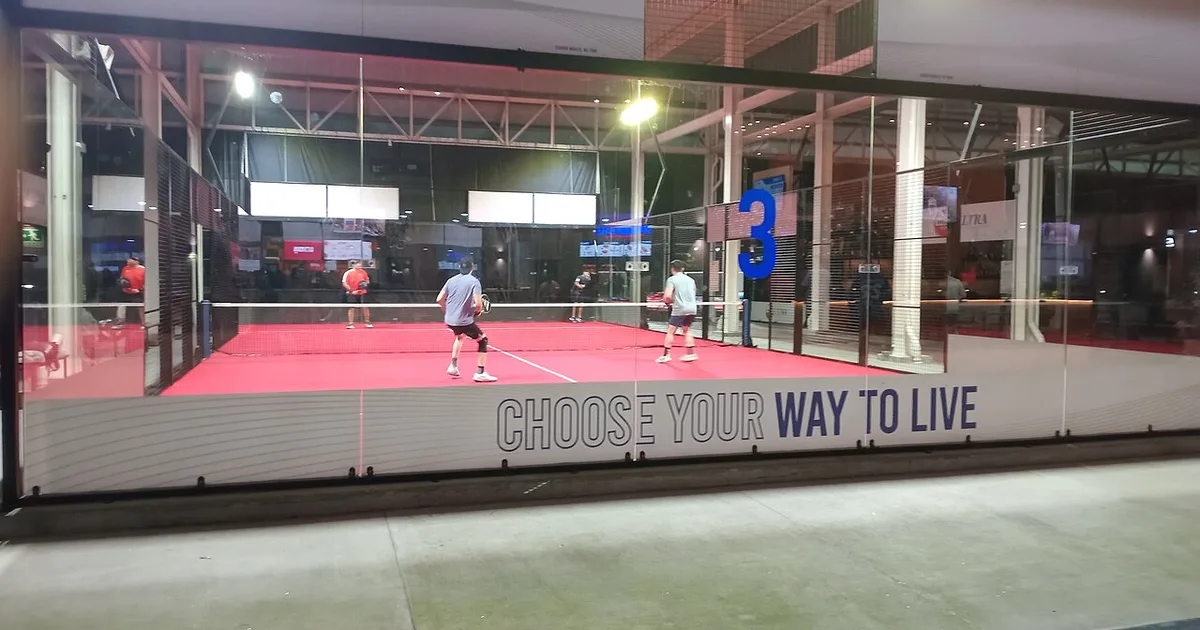
Indoor padel courts are typically housed in dedicated padel centres, sports halls, or converted warehouse spaces. The courts themselves follow the same official dimensions as outdoor courts, but the environment is controlled.
- Surface: Usually artificial grass with sand infill, though some facilities use hard court or carpet surfaces
- Walls: Standard glass and metal mesh panels
- Lighting: Artificial overhead lighting, consistent throughout play
- Temperature: Climate-controlled (heated in winter, air-conditioned in summer)
- Ceiling height: Varies — some venues have low ceilings that limit lob height (minimum recommended is 6 metres)
Outdoor Courts
Outdoor courts are exposed to the elements. They are common in Spain, Portugal, Latin America, Sweden (summer), and increasingly across Europe.
- Surface: Almost always artificial grass with sand infill
- Walls: Same glass and mesh construction, sometimes with anti-glare coatings
- Lighting: Natural daylight, with floodlights for evening play
- Temperature: Subject to weather — hot in summer, cold in winter
- Open sky: No ceiling height restriction — lobs and high balls have no artificial limit
How Weather Affects Outdoor Play
The biggest difference between indoor and outdoor padel is weather. These environmental factors change the game in real, tactical ways.
Wind
Wind is the single biggest game-changer outdoors. It affects:
- Lobs: A headwind kills lobs; a tailwind carries them long. Side winds push the ball unpredictably.
- Serves: Wind can move the ball mid-flight, making toss placement critical.
- High balls: Any ball above the walls is at the mercy of the wind. Bandejas and víboras become harder to control.
- Strategy: The team playing with the wind has a natural advantage on overhead shots. Change of sides (every odd game) ensures fairness over the set.
Sun and Glare
- Overhead shots: Serving or smashing into the sun is genuinely difficult. Wear a cap and sunglasses.
- Glass glare: Depending on the time of day, glass walls can reflect sunlight and affect visibility.
- Court orientation: Well-designed outdoor courts run north–south to minimise sun disruption, but not all facilities follow this.
Temperature
- Heat: Balls bounce higher and travel faster. Players fatigue faster and need more hydration.
- Cold: Balls bounce lower and feel heavier. The court surface can become slippery if damp. Muscles take longer to warm up — injury risk increases.
- Rain: Most padel surfaces become unplayable in rain. Artificial grass with sand infill gets slippery, and the glass walls become dangerous. Matches are suspended in rain.
Humidity
High humidity makes the ball slightly heavier and reduces bounce. It also affects grip — overgrips wear out faster, and hands can slip. Keep spare overgrips and a towel courtside in humid conditions.
Ball Behaviour Differences
| Factor | Indoor | Outdoor |
|---|---|---|
| Bounce height | Consistent | Varies with temperature |
| Ball speed | Consistent | Faster in heat, slower in cold |
| Trajectory | Predictable | Affected by wind |
| Spin effectiveness | Normal | Can be enhanced or reduced by wind |
| Ball lifespan | Standard | May degrade faster in sun/heat |
Strategy Differences
Indoor Strategy
Indoor padel rewards consistency and tactical play. With no environmental variables, the better technical team usually wins.
- Lobs are reliable — no wind to knock them off course, though low ceilings may limit height
- Net play dominates — precise volleys and control shots thrive in consistent conditions
- Serve accuracy is rewarded — the ball goes exactly where you aim it
- Rallies tend to be longer — consistent conditions favour extended exchanges
Outdoor Strategy
Outdoor padel requires adaptability. The best outdoor players read conditions and adjust constantly.
- Use the wind: Lob with the wind, hit flat against it. Adjust your power and trajectory based on wind direction.
- Keep the ball low in wind: High balls are unpredictable. Flat drives, chiquitas, and low volleys become more effective.
- Adapt your serve: Toss lower in wind. Aim wider when the wind carries the ball.
- Manage energy in heat: Play smart in hot conditions. Shorter points, fewer unnecessary movements, frequent hydration.
- Exploit temperature changes: In cold weather, hit deeper and harder — the slower ball gives your opponents less time if you catch them off guard.
Equipment Considerations
Racket
Your padel racket works identically indoors and outdoors. No changes needed.
Shoes
Shoes depend on the surface, not whether the court is indoor or outdoor:
- Artificial grass (indoor or outdoor): Herringbone soles — they grip well and allow controlled sliding. See our padel shoes buying guide for top picks.
- Hard court / carpet (some indoor venues): Omni-directional soles — small rubber nubs that grip without sliding.
- Not sure? Herringbone is the safer all-round choice for most court types.
Clothing
- Outdoors: Sunscreen, cap or visor, sunglasses, and lighter clothing in summer. Extra layers and warm-up time in winter.
- Indoors: Standard padel clothing. Climate control keeps conditions comfortable year-round.
Accessories
- Overgrips: Carry extras outdoors. Heat and humidity wear them out faster.
- Towel: Essential outdoors in hot or humid conditions.
- Water: Always important, but critical outdoors in warm weather. Drink between every changeover.
Pros and Cons
| Indoor | Outdoor | |
|---|---|---|
| Pros | Consistent conditions; year-round play; no weather cancellations; controlled lighting | Fresh air; natural light; no ceiling limit; more tactical variety; often cheaper |
| Cons | Can feel enclosed; limited lob height (low ceilings); may lack atmosphere | Weather dependent; wind disrupts play; sun glare; rain cancellations |
Which Should You Choose?
Most serious padel players play both indoor and outdoor. Here is a quick guide:
- Choose indoor if: You want consistent conditions, play year-round regardless of weather, or are working specifically on technique and consistency.
- Choose outdoor if: You enjoy fresh air, want to develop adaptability, or play in a warm climate where outdoor courts are the norm.
- For tournaments: Practice on the surface type the tournament uses. Outdoor tournaments require specific preparation for wind and sun conditions.
The best players are comfortable in both environments. If you only ever play indoors, book an outdoor session occasionally — the wind and sun will expose weaknesses in your game that you never knew existed.
For more on court specifications, see our court dimensions guide. Need help choosing the right shoes for your court surface? Check our padel shoes buying guide.
Stay in the loop
Get padel rule updates and tournament news — no spam.
More in Padel Equipment
Babolat Padel Rackets 2026 — Best Models & Technology Guide
Explore the full Babolat padel racket range for 2026. Compare the Viper, Counter, and Technical lines — with prices, player endorsements, and our best picks.
Padel Ball Specifications: Why Balls Matter More Than You Think
FIP padel ball specifications control bounce, durability, and consistency. Learn why balls differ from tennis, how altitude affects play, and why tournaments use approved balls.
Best Padel Racket for Beginners 2026 — 4 Affordable Picks Tested
The 4 best padel rackets for beginners in 2026 — affordable, forgiving, and tested. See which round-shape racket suits your first season on court.
Best Padel Rackets 2026 — 10 Expert Picks Tested & Ranked
We tested the top padel rackets of 2026 for every level. See our honest picks from Bullpadel, Head, Babolat & Nox — with pros, cons, and who each racket suits.