 PADEL RULES
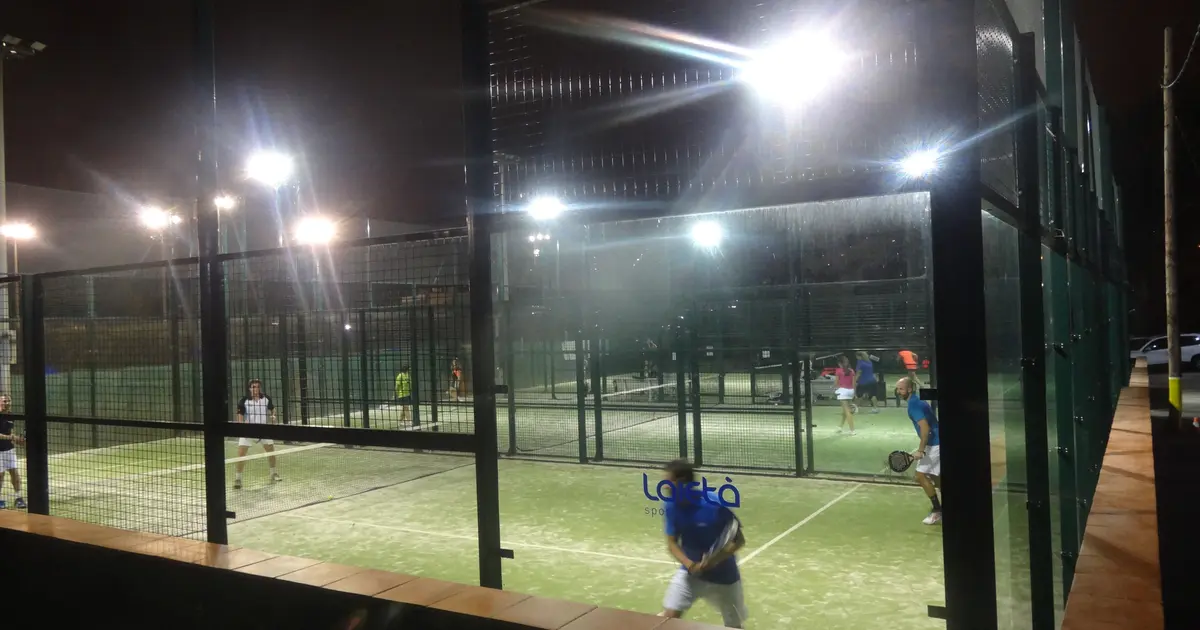
Padel in Spain — The Heartland of Padel (2026 Guide)
6 min read
Spain is the undisputed heartland of padel. With approximately 6 million active players and more than 20,000 courts, no country has embraced the sport as deeply or as broadly as Spain. Padel is the second most played sport in the country after football — ahead of tennis, basketball, and every other racket sport.
If you want to understand padel’s past, present, and future, you need to understand Spain.
How Padel Arrived in Spain
Padel was invented in Mexico in 1969, but it found its true home in Spain. Alfonso de Hohenlohe, a Spanish-Austrian prince, discovered the sport in Acapulco and brought it back to the Marbella Club on the Costa del Sol in the early 1970s. From there, it spread through Spain’s elite social clubs before becoming a mainstream sport accessible to everyone. For the full story, see our history of padel.
By the 1980s, padel had moved beyond the private clubs of Marbella and Madrid into public sports centres and municipal facilities. Spain’s investment in sports infrastructure through the 1980s and 1990s — partly driven by the 1992 Barcelona Olympics — created the foundation for padel’s explosive growth.
Player Base and Participation
As of 2026, Spain has roughly 6 million active padel players. This figure includes both licensed federation players and recreational participants. The sport spans every demographic: juniors, working professionals, and seniors all play regularly.
Padel’s accessibility is a key driver. A beginner can rally on their first day, the equipment cost is modest compared to golf or tennis, and a standard court takes up about one-third of the space of a tennis court. In Spanish cities, padel courts are everywhere — in public sports complexes, private clubs, hotels, and residential developments.
The social element is also critical. Padel is always played as doubles, which creates a social dynamic that fits perfectly with Spanish culture. After-game drinks and meals are as much a part of the padel experience as the sport itself.
Courts and Infrastructure
Spain has over 20,000 padel courts, the most of any country in the world. These range from basic outdoor municipal courts to premium indoor facilities with climate control, spectator seating, and professional coaching staff.
Key Cities for Padel
- Madrid — The capital is the epicentre of Spanish padel. It hosts the largest concentration of courts and clubs, and is home to major professional events. Clubs like Sanset Padel Indoor and the Real Club de Polo are hubs for competitive play.
- Barcelona — Catalonia has a strong padel culture, with major clubs and a thriving amateur league scene. The city frequently hosts Premier Padel and World Padel Tour events.
- Marbella — Where it all started in Spain. Marbella remains a padel destination, with luxury clubs and international players training there year-round.
- Seville and Málaga — Andalusia as a whole has one of the highest per-capita padel participation rates in Spain, supported by the climate and outdoor court availability.
- Valencia — A growing market with significant investment in new padel facilities and a strong club infrastructure.
Top Spanish Padel Players
Spain dominates professional padel. The country has consistently produced the top-ranked players in both the men’s and women’s game.
Men
- Arturo Coello — One of the youngest players to reach the top of the rankings, Coello has become a dominant force on the Premier Padel tour with explosive power and athleticism.
- Alejandro Galán — A former world number one, Galán is known for his consistency and tactical intelligence. He has been at the top of the sport for years.
- Juan Lebrón — Lebrón’s creative shot-making and aggressive style have made him one of the most exciting players to watch. A multiple-time world number one.
Women
- Gemma Triay — Triay has been the dominant force in women’s padel, holding the number one ranking for extended periods. Her power and court coverage are exceptional.
- Ariana Sánchez — A versatile and consistent player, Sánchez has been a fixture in the top rankings and a multiple Grand Slam winner on the Premier Padel circuit.
- Paula Josemaría — Known for her speed and aggressive play, Josemaría has been among the top women’s players in the world.
The Federación Española de Pádel (FEP)
The Federación Española de Pádel (FEP) is the national governing body for padel in Spain. Founded in 1991, the FEP oversees:
- National championships at all levels (junior, amateur, professional)
- Player licensing and rankings
- Coach and referee certification
- Development programmes to grow participation
The FEP works alongside Spain’s regional federations, which manage local leagues and competitions. Spain also plays a leading role in the International Padel Federation (FIP), reflecting the country’s importance to the global sport.
Professional Padel in Spain
Spain is the centre of professional padel. The World Padel Tour (WPT), which was the dominant professional circuit for over a decade, was headquartered in Madrid. Since the emergence of Premier Padel (backed by the FIP and Qatar Sports Investments), Spain has remained the primary venue for the biggest professional events.
Major Spanish tournaments — including the Madrid Open, Barcelona Open, and Marbella Master — attract the best players in the world and draw large crowds. Television coverage of padel in Spain is extensive, with matches broadcast on major networks and streaming platforms.
The professional infrastructure in Spain is the most developed in the world. Players have access to world-class coaching, training facilities, and competition pathways from junior development through to the professional tours.
Growth and Future Outlook
Padel in Spain continues to grow, even from its already massive base. Key trends for 2026 and beyond include:
- Continued investment in facilities — New premium indoor centres are being built in major cities, complementing the existing outdoor court infrastructure.
- Youth development — The FEP and regional federations are investing heavily in junior programmes, ensuring a pipeline of talent for the professional game.
- Padel tourism — Spain is increasingly a destination for international padel players who come for training camps, tournaments, and padel holidays.
- Women’s participation — Women’s padel is growing faster than men’s in percentage terms, driven by visibility of top female players and dedicated women’s leagues and events.
What Makes Padel in Spain Unique
Spain’s padel culture is unique for several reasons. First, the sheer scale: padel is not a niche sport in Spain, it is a mainstream national pastime. Second, the social integration: padel is woven into daily life, with games before work, during lunch breaks, and in the evenings as a social activity. Third, the infrastructure: Spain has invested in padel at every level, from municipal courts in small towns to world-class professional venues.
For visitors, playing padel in Spain is a must. Courts can be booked easily, equipment can be rented, and the culture is welcoming to players of all levels. If padel has a spiritual home, it is Spain.
Stay in the loop
Get padel rule updates and tournament news — no spam.
More in Padel Around the World

Padel in Argentina — The Other Padel Superpower (2026 Guide)
Padel in Argentina: 4 million players, legendary players like Belasteguín and Tapia, Buenos Aires court density, and the Argentine padel tradition.
Padel in Australia — From Expat Sport to National Phenomenon (2026 Guide)
Everything about padel in Australia: 180+ courts, Tennis Australia backing, top Australian players, major clubs, and the explosive growth of padel down.
Padel in Austria — Central Europe's Rising Padel Market (2026 Guide)
Padel in Austria: 150+ courts, a growing player base, Vienna as the main hub, the Austrian Padel Association, and why this Alpine nation is becoming.
Padel in Belgium — Europe's Rising Padel Hotspot (2026 Guide)
Everything about padel in Belgium: 100,000+ players, 800+ courts, top Belgian players, clubs in Brussels, Antwerp, and Ghent, and why Belgium is one.