 PADEL RULES
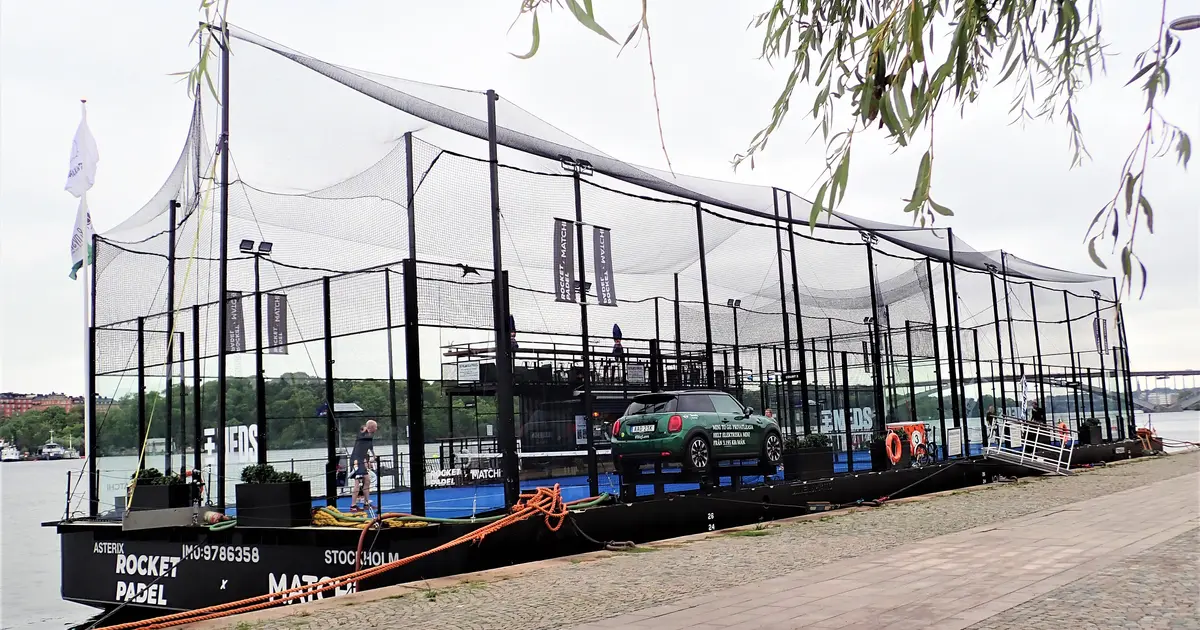
Padel in Sweden — Europe's Fastest-Growing Padel Nation (2026 Guide)
7 min read
Sweden’s padel story is one of the most remarkable in world sport. In 2015, padel was virtually unknown in the country. By 2026, Sweden has approximately 1 million active players, over 4,000 courts, and one of the most vibrant padel cultures in Europe. No country has adopted padel as quickly or as enthusiastically as Sweden.
How Padel Arrived in Sweden
Padel first appeared in Sweden in the early 2010s, when a handful of courts were built in Stockholm and other cities. Early adopters were often Swedes who had encountered the sport while living in or visiting Spain. They returned home with a passion for padel and a conviction that it could work in Sweden.
The initial growth was slow. Without courts, there was no demand. Without demand, nobody wanted to build courts. The breakthrough came when Swedish entrepreneurs began investing in dedicated indoor padel centres, recognising that Sweden’s cold climate — which made outdoor courts impractical for much of the year — was actually an advantage: it created a need for accessible, social indoor sports. For more on padel’s global journey, see our history of padel.
By 2018, the tipping point had arrived. Word-of-mouth, social media, and the inherently social nature of padel (always doubles, easy to learn) created viral growth. Padel became the sport that everyone was talking about.
The Swedish Padel Boom
Sweden’s padel growth from 2018 to 2024 was explosive. Court construction could barely keep up with demand. Key factors driving the boom:
- Social dynamics — Padel is always played in doubles, making it inherently social. In Sweden, where team sports and social activities are highly valued, this was a perfect fit. Office padel leagues, friend-group bookings, and corporate events became commonplace.
- Indoor suitability — Sweden’s long, dark winters make outdoor sports challenging for months. Indoor padel centres offered a bright, warm, social sporting experience when people needed it most.
- Low barrier to entry — Unlike tennis, padel can be played at a basic level within minutes. This made it accessible to people who had never played racket sports.
- Entrepreneurial investment — Swedish entrepreneurs and investors poured money into padel centre construction. Chains like Padel Zenter, We Are Padel, and Padelcenter grew rapidly across the country.
- Media and culture — Padel became a cultural phenomenon in Sweden. It was featured in mainstream media, embraced by celebrities, and became a status symbol of sorts — the sport everyone wanted to be seen playing.
Player Base and Participation
As of 2026, Sweden has approximately 1 million active padel players. For a country of just 10.5 million people, this is an extraordinary penetration rate — roughly one in ten Swedes plays padel.
Padel participation in Sweden skews younger than in Spain, reflecting its more recent adoption. The sport is particularly popular among 25-to-45-year-olds, both men and women. Women’s participation is notably high in Sweden compared to many other padel markets, partly driven by the sport’s social and accessible nature.
Corporate padel is also a significant phenomenon in Sweden. Many companies organise internal padel leagues or book courts for team-building events. Padel has, in many workplaces, replaced the traditional after-work (the Swedish term for after-work socialising) drinks at a bar.
Courts and Infrastructure
Sweden has over 4,000 padel courts as of 2026, nearly all of them indoors. This gives Sweden one of the highest per-capita court densities in the world.
Indoor Padel Centres
The typical Swedish padel facility is an indoor centre with 4 to 12 courts, often built in converted warehouses, industrial buildings, or purpose-built structures. These centres usually feature:
- Climate-controlled courts with professional-grade surfaces
- Booking systems (usually app-based)
- Pro shops with rackets, balls, and gear
- Cafés or lounges for socialising
- Coaching and lesson programmes
Key Cities for Padel
- Stockholm — The largest padel market in Sweden, with dozens of indoor centres across the city and suburbs. Stockholm alone has hundreds of courts.
- Gothenburg — Sweden’s second city has a thriving padel scene with multiple major centres.
- Malmö — Close to Denmark (and connected by the Öresund Bridge), Malmö has strong padel participation and has helped spread the sport to Copenhagen.
- Uppsala, Linköping, Örebro — Mid-sized Swedish cities where padel has become a mainstream leisure activity.
Top Swedish Players
Sweden’s professional padel scene is still developing compared to Spain and Argentina, but the country’s massive participation base is producing increasingly competitive players. Several Swedish players have competed on the international professional tours, and the talent pipeline is strengthening as coaching infrastructure and competition pathways improve.
The Swedish Padel Association has invested in player development programmes aimed at identifying and nurturing talent from the large recreational base. Junior programmes are growing, and Swedish players are increasingly visible at European and international tournaments.
The Swedish Padel Association
The Swedish Padel Association (Svenska Padelförbundet) is the national governing body for padel in Sweden. It oversees:
- National championships and ranking systems
- Player licensing and club affiliation
- Coaching certification and development
- International representation through the FIP
The growth of the association has mirrored the growth of the sport itself. From a small organisation in the early 2010s, it has become one of the most active national padel federations in the world.
The Unique Swedish Padel Culture
Several characteristics distinguish Swedish padel from the sport in other countries:
- App-based booking — Sweden was an early adopter of app-based court booking. Platforms like MATCHi dominate, making it easy to find available courts, book, and pay — all from a phone.
- Indoor focus — While Spain and Argentina have extensive outdoor court networks, Swedish padel is almost entirely indoors. This has created a year-round padel culture unaffected by weather.
- Social integration — Padel in Sweden is tightly integrated into social life. It is a common first-date activity, team-building exercise, and weekend ritual.
- Gender balance — Women’s participation in Sweden is higher as a proportion than in most padel countries, making mixed doubles particularly popular.
- Padel as lifestyle — In Sweden, padel has transcended sport to become a lifestyle brand. Padel-branded clothing, gear, and social events are a visible part of Swedish urban culture.
Growth and Future Outlook
Despite the rapid growth, Swedish padel still has room to expand:
- Court construction continues, with demand still outstripping supply in many areas, particularly during peak evening hours.
- Player development is improving, with better coaching, more structured youth programmes, and clearer competition pathways.
- Commercial maturity — The padel business model in Sweden is maturing, with consolidation among centre operators and more sophisticated commercial operations.
- Nordic expansion — Sweden has been the catalyst for padel growth across Scandinavia, influencing Norway, Denmark, and Finland.
What Makes Swedish Padel Unique
Sweden’s padel journey is remarkable for its speed and scale. No country has gone from near-zero to mass participation as quickly. The combination of indoor infrastructure, a culture that values social sport, entrepreneurial investment, and digital-first booking systems created a perfect storm for growth. Swedish padel is a model for how the sport can thrive in colder climates and new markets.
Stay in the loop
Get padel rule updates and tournament news — no spam.
More in Padel Around the World

Padel in Argentina — The Other Padel Superpower (2026 Guide)
Padel in Argentina: 4 million players, legendary players like Belasteguín and Tapia, Buenos Aires court density, and the Argentine padel tradition.
Padel in Australia — From Expat Sport to National Phenomenon (2026 Guide)
Everything about padel in Australia: 180+ courts, Tennis Australia backing, top Australian players, major clubs, and the explosive growth of padel down.
Padel in Austria — Central Europe's Rising Padel Market (2026 Guide)
Padel in Austria: 150+ courts, a growing player base, Vienna as the main hub, the Austrian Padel Association, and why this Alpine nation is becoming.
Padel in Belgium — Europe's Rising Padel Hotspot (2026 Guide)
Everything about padel in Belgium: 100,000+ players, 800+ courts, top Belgian players, clubs in Brussels, Antwerp, and Ghent, and why Belgium is one.