 PADEL RULES
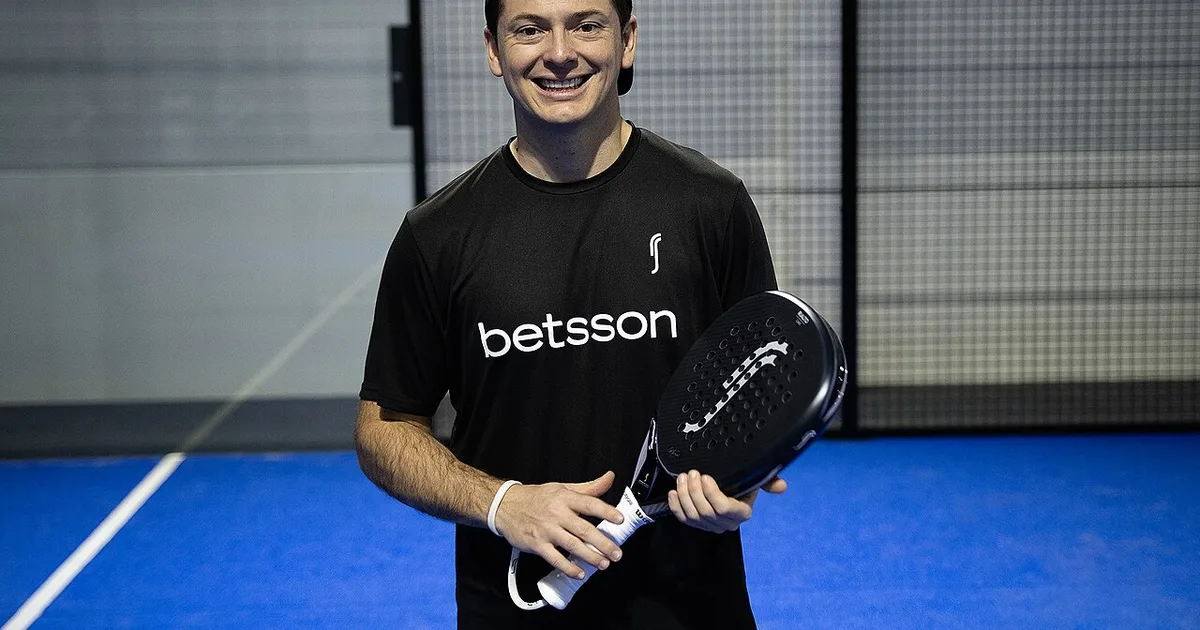
Padel in Belgium — Europe's Rising Padel Hotspot (2026 Guide)
5 min read
Belgium has emerged as one of Europe’s most dynamic padel markets. With over 100,000 active players and more than 800 courts, the country has experienced explosive growth since the late 2010s. What was once a niche sport played by expatriate communities has become a mainstream activity embraced across both Flanders and Wallonia.
How Padel Arrived in Belgium
Padel first appeared in Belgium through Spanish and Latin American expatriate communities in Brussels during the early 2010s. The city’s large international community — driven by EU institutions and multinational businesses — provided the initial player base.
The sport gained broader traction from around 2017, when the first dedicated padel clubs opened in Brussels and Antwerp. Belgian tennis clubs quickly recognised the opportunity and began converting underused tennis courts into padel courts. By 2020, padel had moved from curiosity to mainstream sport, with waiting lists for court bookings becoming common in major cities.
The COVID-19 pandemic ironically accelerated padel’s growth in Belgium. As an outdoor sport played in small groups, padel was one of the first activities permitted during lockdown easing, introducing thousands of new players to the game.
Player Base and Participation
As of 2026, Belgium has more than 100,000 active padel players, a remarkable number for a country of 11.5 million people. Growth has been particularly strong among:
- 25–45 age group — Young professionals drawn to padel’s social and fitness appeal
- Former tennis players — Many have switched to or added padel, finding it more accessible and social
- Women — Female participation has grown strongly, with dedicated women’s leagues and events
The sport is popular across both linguistic communities. Flanders has seen the highest absolute numbers due to its larger population, while Wallonia and Brussels have strong participation rates driven by proximity to French and Spanish padel culture.
Courts and Infrastructure
Belgium has over 800 padel courts, with the number growing steadily. The country’s investment in indoor facilities is particularly notable, as Belgium’s climate makes covered courts essential for year-round play.
Key Cities for Padel
- Brussels — The capital has the largest concentration of padel facilities, including major centres like Padel Factory, 4Padel Brussels, and courts at established tennis and sports clubs. The international community keeps demand consistently high.
- Antwerp — Belgium’s second city has embraced padel enthusiastically, with multiple dedicated padel centres and strong club competition.
- Ghent — A growing padel scene with new facilities and an active amateur league structure.
- Liège — The largest city in Wallonia, with a developing padel community that draws on the region’s connection to French padel culture.
- Bruges and Leuven — Smaller cities where padel is growing through conversions at existing sports clubs and new standalone facilities.
Top Belgian Padel Players
Belgium is developing a competitive player base, with several athletes competing internationally.
Men
- Jérôme Peeters — One of Belgium’s highest-ranked male players, competing on the international circuit with consistent results.
- Clément Geens — A prominent Belgian player who has represented the country in FIP international competitions and European championships.
Women
- An-Sophie Mestach — A former professional tennis player who transitioned to padel and quickly rose in the Belgian rankings.
- Yanina Wickmayer — Another tennis-to-padel convert, bringing top-level athletic experience to the Belgian padel scene.
Belgium regularly fields national teams at FIP World Championships and European Padel Championships, with improving results as the domestic player pool deepens.
Governing Bodies
Padel governance in Belgium reflects the country’s federal structure:
- Tennis Vlaanderen — Manages padel in Flanders, overseeing club affiliations, competitions, and player licensing in the Dutch-speaking community.
- Association Francophone de Tennis (AFT) — Governs padel in Wallonia and the French-speaking community of Brussels.
- Padel Belgium — The national coordinating body that represents Belgium at the International Padel Federation (FIP) and handles national team selections.
This structure means that padel benefits from the existing infrastructure and organisational capacity of Belgium’s well-established tennis federations, while Padel Belgium provides a unified national voice internationally.
Growth and Future Outlook
Belgium’s padel market shows no signs of slowing. Key trends for 2026 and beyond:
- Indoor facility investment — Large-scale indoor padel centres continue to open, with private operators investing in premium facilities featuring multiple courts, coaching, pro shops, and social spaces.
- Corporate and social padel — Companies are adopting padel as a team-building activity, driving midweek court usage and corporate league growth.
- Youth development — Tennis federations are integrating padel into junior programmes, building a pipeline of young talent.
- Professional circuit growth — Belgium is increasingly hosting international padel events, raising the sport’s profile and providing home competition opportunities for Belgian players.
- Club conversions — Tennis clubs continue to add padel courts, recognising the demand and the sport’s ability to attract new members.
What Makes Padel in Belgium Unique
Belgium’s padel growth story is distinctive for several reasons. The country’s bilingual structure means padel culture draws from both French-speaking traditions (connected to France and Spain) and Flemish sporting culture. The strong investment in indoor facilities has made Belgium a model for how padel can thrive in northern European climates. And the integration of padel into existing tennis club infrastructure has accelerated adoption in a way that purpose-built-only markets cannot match.
For visitors, Belgium offers excellent padel facilities with easy booking, rental equipment, and a welcoming club culture. Whether in Brussels, Antwerp, or Ghent, finding a game is straightforward — and the post-match Belgian beer tradition is an added bonus.
Explore Padel Around the World
- Padel in Argentina — Birthplace of padel
- Padel in Spain — Where padel thrives
- Global Padel — Learn about padel everywhere
Stay in the loop
Get padel rule updates and tournament news — no spam.
More in Padel Around the World
Padel in Argentina — The Other Padel Superpower (2026 Guide)
Padel in Argentina: 4 million players, legendary players like Belasteguín and Tapia, Buenos Aires court density, and the Argentine padel tradition.
Padel in Australia — From Expat Sport to National Phenomenon (2026 Guide)
Everything about padel in Australia: 180+ courts, Tennis Australia backing, top Australian players, major clubs, and the explosive growth of padel down.
Padel in Austria — Central Europe's Rising Padel Market (2026 Guide)
Padel in Austria: 150+ courts, a growing player base, Vienna as the main hub, the Austrian Padel Association, and why this Alpine nation is becoming.

Padel in Brazil — South America's Fastest-Growing Padel Market (2026 Guide)
Everything about padel in Brazil: rapid growth, expanding court network, connection to Argentine padel culture, top Brazilian players, and the sport's.