 PADEL RULES
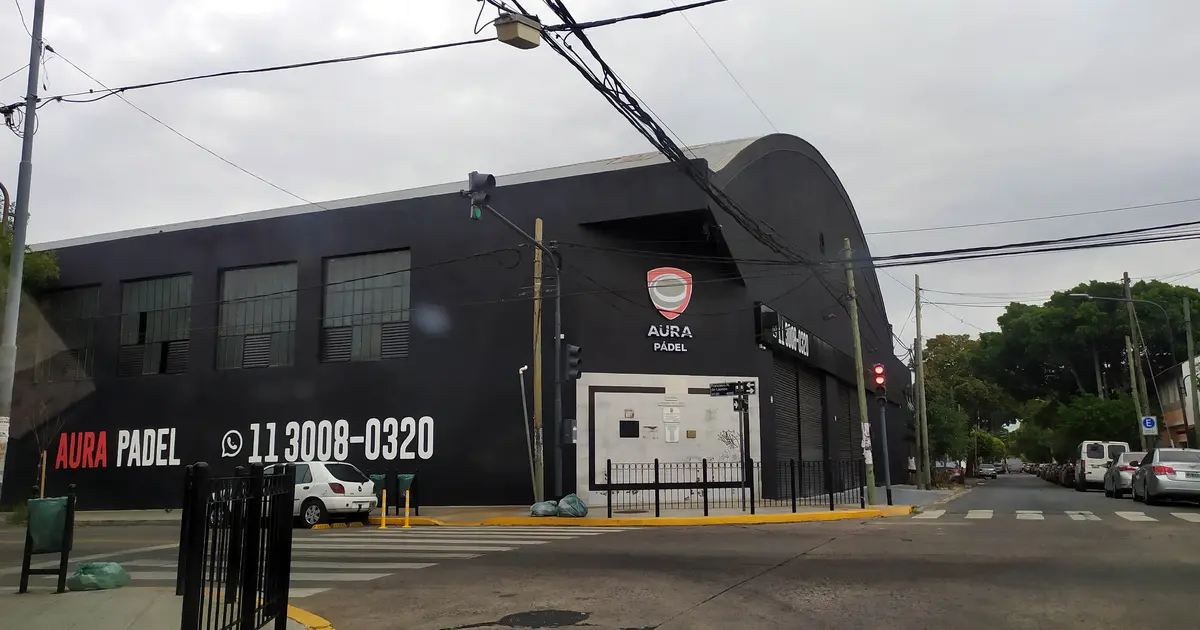
Padel in Argentina — The Other Padel Superpower (2026 Guide)
7 min read
Argentina is one of the two great padel superpowers, alongside Spain. With approximately 4 million players and a padel tradition stretching back to the early 1980s, Argentina has shaped the sport as much as any country in the world. Some of the greatest players in padel history are Argentine, and the country’s aggressive, athletic playing style has left a permanent mark on how the game is played.
How Padel Arrived in Argentina
Padel was invented in Mexico in 1969 by Enrique Corcuera. It arrived in Argentina in the late 1970s, brought by Argentine businessmen who had encountered the sport in Spain. The timing was significant: Argentina was experiencing a boom in social sports and club culture, and padel — a doubles game that was easy to learn and intensely social — fitted perfectly.
By the mid-1980s, padel had exploded in popularity. Courts were built at a remarkable rate across Buenos Aires and other major cities. Unlike in Spain, where padel grew gradually over decades, Argentina’s adoption was rapid and passionate. For the full story of padel’s origins and global spread, see our history of padel.
Player Base and Participation
Argentina has approximately 4 million active padel players as of 2026. While this is fewer than Spain in absolute terms, the intensity of participation is comparable. Padel is not just a sport in Argentina — it is a social ritual.
The typical Argentine padel experience involves booking a court with friends, playing an intense match (or two), and then sharing an asado (barbecue) or drinks afterwards. Many padel clubs in Buenos Aires have restaurants, bars, and social areas that are as important as the courts themselves.
Padel cuts across all social classes in Argentina. While the sport began in wealthier neighbourhoods and private clubs, it quickly spread to public facilities and affordable clubs. Today, padel is played everywhere from upscale country clubs to simple neighbourhood courts in working-class barrios.
Courts and Infrastructure
Buenos Aires has one of the highest padel court densities of any city in the world. The metropolitan area alone has thousands of courts, ranging from basic concrete-floored outdoor courts to modern facilities with artificial turf, lighting, and covered structures.
Key Cities for Padel
- Buenos Aires — The undisputed capital of Argentine padel. The city and its suburbs contain a vast network of padel clubs, many operating from early morning until late at night. Neighbourhoods like Palermo, Belgrano, and Núñez are particularly well-served.
- Córdoba — Argentina’s second city has a strong padel scene with numerous clubs and active amateur leagues.
- Rosario — A significant padel market with a passionate player base and competitive local circuit.
- Mendoza — Even in wine country, padel courts are a fixture of the sporting landscape.
- Mar del Plata — A popular beach resort with year-round padel activity.
Unlike Spain and much of Europe, Argentina’s padel infrastructure developed more organically. Many clubs are privately owned small businesses rather than large corporate facilities. This gives Argentine padel a distinctive neighbourhood character.
Legendary Argentine Players
Argentina’s contribution to professional padel is immense. The country has produced some of the most decorated and influential players in the sport’s history.
The All-Time Greats
- Fernando Belasteguín — Widely considered the greatest padel player of all time. Belasteguín held the world number one ranking for an extraordinary 16 consecutive years (2002-2018). His tactical intelligence, consistency, and longevity are unmatched in the sport’s history.
- Juan Martín Díaz — Belasteguín’s long-time partner, Díaz was a dominant left-side player known for his power and finishing ability. Together, they formed the most successful partnership in padel history.
Current Stars
- Agustín Tapia — One of the most talented players of the current generation, Tapia combines exceptional touch with explosive athleticism. His shot-making ability is considered among the best in the sport.
- Federico Chingotto — Known for his speed, creativity, and spectacular defensive play, Chingotto is one of the most exciting players to watch on the professional tour.
- Martín Di Nenno — A powerful and tactical player who has been consistently ranked among the top players in the world.
Women
- Virginia Riera — A top-ranked Argentine player on the women’s professional tour, known for her consistency and competitive spirit.
- Delfi Brea — A rising star in women’s padel, Brea has shown tremendous talent and potential on the international stage.
The Argentine Playing Style
Argentine padel has a distinctive style that sets it apart from Spanish padel. While Spanish players tend to emphasise patience, positioning, and tactical construction, Argentine players are generally more aggressive and athletic.
Key characteristics of the Argentine style include:
- Power smashes — Argentine players are known for hitting harder and going for winners more frequently.
- Athletic defence — The willingness to chase down seemingly impossible balls and keep rallies alive through sheer physicality.
- Creative shot-making — Argentine players often attempt spectacular shots — behind-the-back volleys, between-the-legs retrievals, and unconventional angles.
- Net dominance — A preference for taking control of the net position and finishing points with aggressive volleys and smashes.
This style has been hugely influential on the global game. Many of the sport’s most memorable moments have come from Argentine players pushing the boundaries of what is possible on a padel court.
The Asociación de Pádel Argentina (APA)
The Asociación de Pádel Argentina (APA) is the national governing body for padel in Argentina. It oversees:
- National championships and rankings
- Selection of players for international competitions
- Development of the sport at grassroots and competitive levels
- Coordination with the International Padel Federation (FIP)
Argentina also has strong provincial federations that manage regional competition. The depth of competitive padel in Argentina is remarkable — there are structured leagues and tournaments at every level, from beginners to elite professionals.
Growth and Future Outlook
While padel in Argentina is already a mature sport — unlike the recent boom markets in Europe and the Middle East — there are still areas of growth:
- Professional pathways — The emergence of Premier Padel and the consolidation of the professional tour has created better financial opportunities for Argentine players, encouraging talent development.
- Infrastructure renewal — Many older courts are being upgraded with modern surfaces, lighting, and covered structures.
- Women’s padel — Women’s participation is growing, supported by increased visibility of Argentine women on the professional tour.
- International influence — Argentine coaches and players are in demand worldwide, spreading the Argentine padel philosophy to new markets.
What Makes Argentine Padel Unique
Argentine padel is unique for its passion, its history, and its style. The country was one of the first to embrace padel outside of Mexico and Spain, and it developed its own distinctive approach to the game. The combination of world-class talent, deep grassroots participation, and a culture that treats padel as both a sport and a social occasion makes Argentina an essential part of the global padel story.
For visitors, playing padel in Buenos Aires is an unforgettable experience. The quality of play at even amateur levels is high, the atmosphere in the clubs is welcoming and energetic, and the post-match social traditions are as important as the game itself.
Stay in the loop
Get padel rule updates and tournament news — no spam.
More in Padel Around the World
Padel in Australia — From Expat Sport to National Phenomenon (2026 Guide)
Everything about padel in Australia: 180+ courts, Tennis Australia backing, top Australian players, major clubs, and the explosive growth of padel down.
Padel in Austria — Central Europe's Rising Padel Market (2026 Guide)
Padel in Austria: 150+ courts, a growing player base, Vienna as the main hub, the Austrian Padel Association, and why this Alpine nation is becoming.
Padel in Belgium — Europe's Rising Padel Hotspot (2026 Guide)
Everything about padel in Belgium: 100,000+ players, 800+ courts, top Belgian players, clubs in Brussels, Antwerp, and Ghent, and why Belgium is one.

Padel in Brazil — South America's Fastest-Growing Padel Market (2026 Guide)
Everything about padel in Brazil: rapid growth, expanding court network, connection to Argentine padel culture, top Brazilian players, and the sport's.