 PADEL RULES
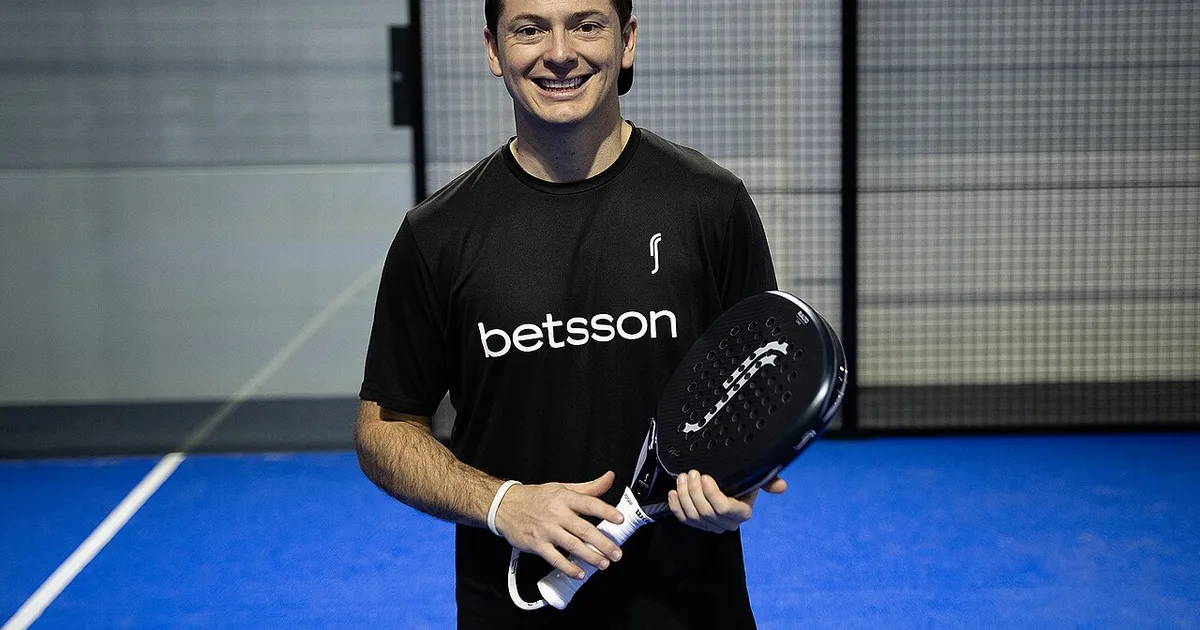
Padel in Colombia — South America's Emerging Padel Powerhouse (2026 Guide)
5 min read
Colombia has become one of the most exciting padel growth stories in the Americas. With over 500,000 active players and more than 1,500 courts, the country has rapidly embraced a sport that fits perfectly with its social culture and sporting passion. Sitting between traditional padel powerhouses like Argentina and Mexico, Colombia is forging its own dynamic padel identity.
How Padel Arrived in Colombia
Padel first appeared in Colombia through Argentine and Spanish expatriate communities in Bogotá during the early 2010s. Argentina’s long-standing padel tradition was the primary influence, with Colombian businesspeople and travellers discovering the sport in Buenos Aires and bringing it home.
The first dedicated padel facilities in Colombia opened around 2015 in Bogotá, catering initially to the expatriate and upper-class social club market. However, padel’s accessibility — requiring less space, equipment cost, and technical skill than tennis — meant it quickly spread beyond its initial niche.
From 2019, padel growth in Colombia accelerated dramatically. Private investment flowed into new padel centres, social media drove awareness among younger demographics, and the sport’s social character resonated with Colombian culture, where communal activities and social sports are deeply valued.
Player Base and Participation
As of 2026, Colombia has more than 500,000 active padel players, making it one of the largest padel markets in the Americas. Key participation characteristics:
- Youth-driven growth — Colombia’s young population (median age around 31) has embraced padel enthusiastically, with the 20–40 age group forming the core player base
- Social club culture — Country clubs, residential complexes, and social sports venues have driven adoption among middle and upper-class Colombians
- Corporate and after-work play — Padel has become a popular business networking and after-work activity, particularly in Bogotá and Medellín
- Growing female participation — Women’s padel is expanding rapidly, with dedicated leagues and events driving visibility
Colombia’s 52 million population and its cultural affinity with other Latin American padel nations provide enormous growth potential.
Courts and Infrastructure
Colombia has more than 1,500 padel courts, with the number increasing rapidly as investment continues.
Key Cities for Padel
- Bogotá — The capital is the centre of Colombian padel, with the largest concentration of facilities. Premium padel centres, country clubs, and sports complexes across the city and its surrounding municipalities offer extensive playing options.
- Medellín — Colombia’s second city has embraced padel with characteristic energy. The city’s pleasant year-round climate is ideal for outdoor courts, and major padel centres have opened across the metropolitan area.
- Cali — A growing padel market in southwest Colombia, with new facilities opening to meet increasing demand.
- Barranquilla — The Caribbean coastal city has a developing padel scene, driven by its sports-loving culture and warm climate.
- Cartagena — Padel is growing in this tourist hub, with hotels and resorts adding courts to their offerings.
Colombia’s varied climate means both outdoor and indoor courts thrive. Bogotá’s cooler highland climate suits covered facilities, while Medellín’s spring-like weather and the Caribbean coast’s tropical warmth are perfect for outdoor play.
Top Colombian Padel Players
Colombia’s competitive padel scene is developing rapidly.
Men
- Carlos Daniel Gutiérrez — One of Colombia’s top-ranked players, competing in international FIP events and representing the country on the global stage.
- Juan Tello — A rising figure in Colombian padel, contributing to the country’s growing presence in international competition.
Women
- Isabella Holguin — Among Colombia’s leading female players, competing domestically and internationally.
Colombia participates in FIP World Championships and Pan American padel events, with the national teams improving as the domestic competitive infrastructure matures. The country’s pool of talented young athletes provides a strong foundation for future international success.
Federación Colombiana de Pádel
The Federación Colombiana de Pádel oversees the sport at the national level. The federation manages:
- National championships and ranking system
- Regional league structures across Colombia’s departments
- National team selection for FIP and Pan American events
- Coach certification and development programmes
- Grassroots initiatives to expand access to the sport
The federation works alongside Colombia’s broader sports governance structure, including Coldeportes (now Ministerio del Deporte), to secure government support and investment in padel infrastructure.
Growth and Future Outlook
Colombia’s padel growth trajectory is among the steepest in the Americas. Key trends for 2026 and beyond:
- Continued investment — Private and commercial investment in padel facilities remains strong, with new centres opening across Colombia’s major cities and secondary markets.
- Democratisation of access — While padel initially grew through private clubs, municipal and public facilities are increasingly offering padel, expanding access beyond upper-income demographics.
- Youth and school programmes — Introduction of padel in schools and youth sports programmes is building a foundation for long-term growth.
- International events — Colombia is positioning itself as a host for international padel events, raising the sport’s profile and providing competitive opportunities for domestic players.
- Regional integration — Colombia’s padel community benefits from connections with Argentina, Mexico, and other Latin American padel nations, facilitating player development and knowledge exchange.
What Makes Padel in Colombia Unique
Colombia’s padel culture reflects the country’s broader character: energetic, social, and passionate about sport. The rapid adoption of padel speaks to Colombians’ openness to new activities and the sport’s natural fit with the country’s social culture. Unlike some markets where padel grew slowly over decades, Colombia’s growth has been compressed into just a few years, creating a dynamic and youthful padel community.
For visitors, Colombia offers an exciting padel experience in a country known for its warmth and hospitality. Courts are available in every major city, and the combination of excellent facilities, enthusiastic players, and Colombia’s renowned social culture makes playing padel in the country a memorable experience.
Stay in the loop
Get padel rule updates and tournament news — no spam.
More in Padel Around the World
Padel in Argentina — The Other Padel Superpower (2026 Guide)
Padel in Argentina: 4 million players, legendary players like Belasteguín and Tapia, Buenos Aires court density, and the Argentine padel tradition.
Padel in Australia — From Expat Sport to National Phenomenon (2026 Guide)
Everything about padel in Australia: 180+ courts, Tennis Australia backing, top Australian players, major clubs, and the explosive growth of padel down.

Padel in Austria — Central Europe's Rising Padel Market (2026 Guide)
Padel in Austria: 150+ courts, a growing player base, Vienna as the main hub, the Austrian Padel Association, and why this Alpine nation is becoming.
Padel in Belgium — Europe's Rising Padel Hotspot (2026 Guide)
Everything about padel in Belgium: 100,000+ players, 800+ courts, top Belgian players, clubs in Brussels, Antwerp, and Ghent, and why Belgium is one.