 PADEL RULES
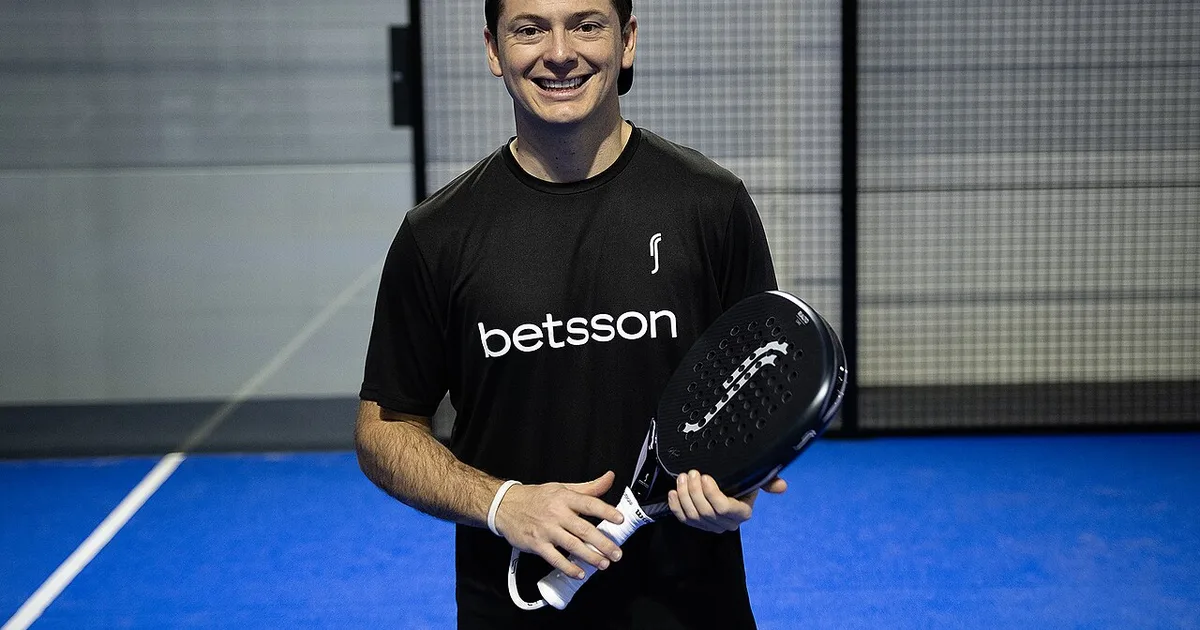
Padel in Denmark — Scandinavia's Padel Powerhouse (2026 Guide)
6 min read
Denmark is Scandinavia’s padel powerhouse. With over 350 courts, an estimated 200,000+ active players, and the highest per-capita padel participation rate in the Nordic region, Denmark has embraced padel with a speed and intensity that has surprised even the sport’s most optimistic advocates. In a country known for its love of football, handball, and cycling, padel has carved out a remarkable position as one of the fastest-growing sports in Danish history.
Denmark proves that padel thrives in cold climates too — as long as you build indoor courts.
How Padel Arrived in Denmark
Padel came to Denmark in the mid-2010s, introduced by Danes who had discovered the sport while living in or travelling to Spain. The first courts were built in Copenhagen, initially attracting a small community of players with Spanish connections.
The sport’s growth in Denmark accelerated dramatically from 2019 onwards. The success of padel in neighbouring Sweden — which had already experienced explosive growth — inspired Danish sports entrepreneurs to invest in facilities. The pandemic in 2020–2021 further boosted padel, as people sought outdoor and small-group activities that were compatible with social distancing guidelines. For the full history of the sport, see our history of padel.
By 2023, padel had become a mainstream phenomenon in Denmark, with courts appearing in every major city and town, extensive media coverage, and a formal competitive structure under the Danish Padel Federation.
Player Base and Participation
As of 2026, Denmark has an estimated 200,000+ active padel players — a remarkable figure for a country of just 5.9 million people. This gives Denmark one of the highest per-capita padel participation rates in the world.
Padel’s rapid adoption in Denmark is driven by:
- Swedish influence — Denmark watched Sweden’s padel explosion closely, and many Danes were introduced to the sport through Swedish friends, media, and cross-border play.
- Social appeal — Danish “hygge” culture values social togetherness, and padel’s doubles format fits this perfectly. The post-match coffee or beer is as important as the game.
- Accessibility — Padel is easy to learn, affordable to play, and courts are compact enough to fit in Denmark’s urban landscapes.
- Indoor facilities — Denmark’s cold, dark winters mean indoor sports are essential. Indoor padel centres allow year-round play and have been a major driver of adoption.
- Cross-sport appeal — Denmark’s large tennis and badminton player base provides a ready audience for padel.
Courts and Infrastructure
Denmark has over 350 padel courts as of 2026, with a strong mix of indoor and outdoor facilities.
Key Cities for Padel
- Copenhagen — Denmark’s padel capital, with the highest concentration of courts. Major facilities in Amager, Østerbro, Frederiksberg, and Valby serve a large and competitive player base. Copenhagen also hosts the country’s biggest tournaments.
- Aarhus — Denmark’s second city has a thriving padel scene, with multiple indoor centres and a strong club culture.
- Odense — The city on Funen has invested heavily in padel infrastructure, with both municipal and private facilities.
- Aalborg — Northern Jutland’s padel hub, with growing participation and new court construction.
- Roskilde, Helsingør, and Kolding — Medium-sized towns across Denmark have added padel courts, reflecting the sport’s spread beyond major cities.
The emphasis on indoor facilities is a distinctive feature of Danish padel. Most serious centres have heated, enclosed courts with excellent lighting and ventilation, allowing comfortable play even in the depths of Scandinavian winter.
Top Danish Padel Players
Denmark has developed a strong competitive padel community:
National Team
- Denmark has sent national teams to FIP World Championships and European Padel Championships, performing creditably against larger padel nations.
- The team draws from a mix of dedicated padel players and former tennis professionals who have transitioned to the sport.
Competitive Scene
- The domestic tournament circuit is well-organised, with ranked events throughout the year and a clear pathway from club to national level.
- Danish players are known for their physicality, tactical awareness, and competitive mentality — qualities developed through Denmark’s strong sporting culture.
- Several Danish players have spent time training in Spain to develop their game and bring international experience back to the domestic scene.
The Dansk Padel Forbund (Danish Padel Federation)
The Dansk Padel Forbund is the national governing body for padel in Denmark. As a member of the FIP, it oversees:
- National championships at all levels (junior, senior, veterans)
- Club affiliation and support
- Player rankings and tournament sanctioning
- Coaching and referee development
- National team selection and international representation
The federation has been proactive in developing the sport at grassroots level, working with schools, sports clubs, and municipalities to introduce padel to new audiences and secure public funding for facilities.
Growth and Future Outlook
Padel in Denmark shows no signs of slowing down. Key trends for 2026 and beyond include:
- Continued facility investment — Both commercial operators and municipalities are building new padel centres, particularly in areas currently underserved.
- Competition with established sports — Padel is now competing with tennis and badminton for participants, and some established racket sport clubs are adding padel to retain members.
- Professional development — The domestic competitive scene is becoming more professional, with increased prize money and better-organised tournament series.
- Corporate and social padel — Company leagues, social padel groups, and charity events are driving participation beyond the traditional sports club model.
- Nordic collaboration — Denmark, Sweden, Norway, and Finland are developing Nordic padel competitions and sharing best practices for growing the sport in cold climates.
What Makes Padel in Denmark Unique
Denmark’s padel culture is distinctive for its speed of adoption and its integration into the country’s social fabric. In just a few years, padel has gone from unknown to ubiquitous, driven by a combination of Scandinavian efficiency in building infrastructure and the Danish love of social, accessible sports.
The indoor padel experience in Denmark is world-class. Purpose-built centres with heated courts, professional lighting, and excellent amenities make playing padel in a Danish winter genuinely enjoyable. For visitors, Denmark offers some of the best-maintained padel facilities in Europe, a welcoming community, and the chance to experience the sport in a country where it has become a genuine cultural phenomenon.
Stay in the loop
Get padel rule updates and tournament news — no spam.
More in Padel Around the World
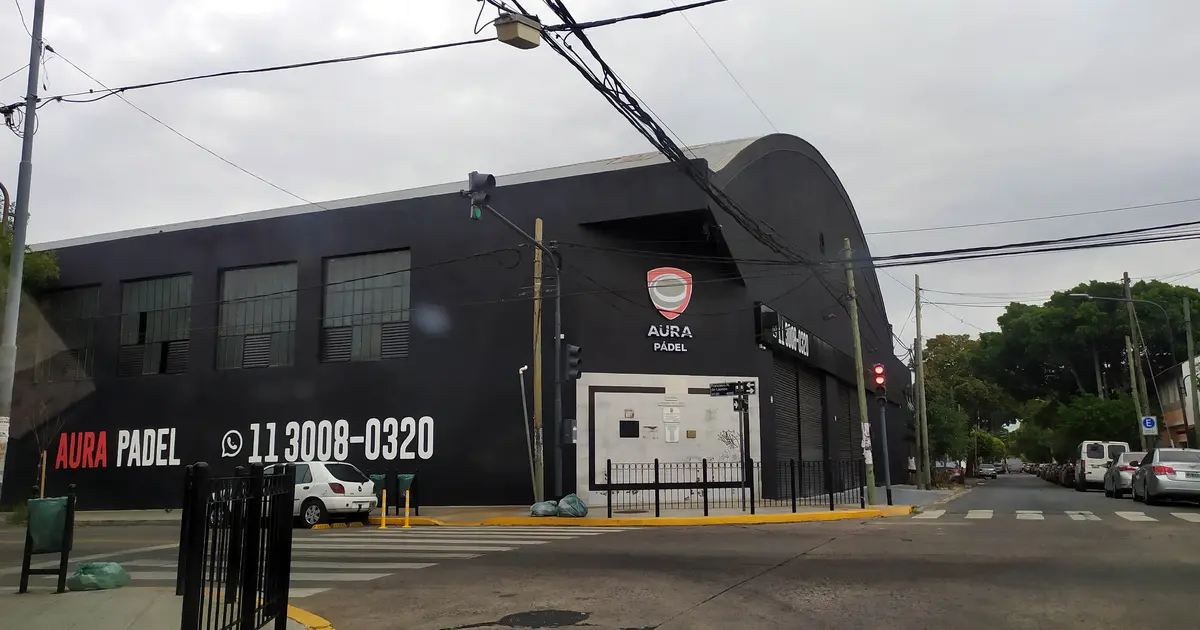
Padel in Argentina — The Other Padel Superpower (2026 Guide)
Padel in Argentina: 4 million players, legendary players like Belasteguín and Tapia, Buenos Aires court density, and the Argentine padel tradition.
Padel in Australia — From Expat Sport to National Phenomenon (2026 Guide)
Everything about padel in Australia: 180+ courts, Tennis Australia backing, top Australian players, major clubs, and the explosive growth of padel down.
Padel in Austria — Central Europe's Rising Padel Market (2026 Guide)
Padel in Austria: 150+ courts, a growing player base, Vienna as the main hub, the Austrian Padel Association, and why this Alpine nation is becoming.
Padel in Belgium — Europe's Rising Padel Hotspot (2026 Guide)
Everything about padel in Belgium: 100,000+ players, 800+ courts, top Belgian players, clubs in Brussels, Antwerp, and Ghent, and why Belgium is one.