 PADEL RULES
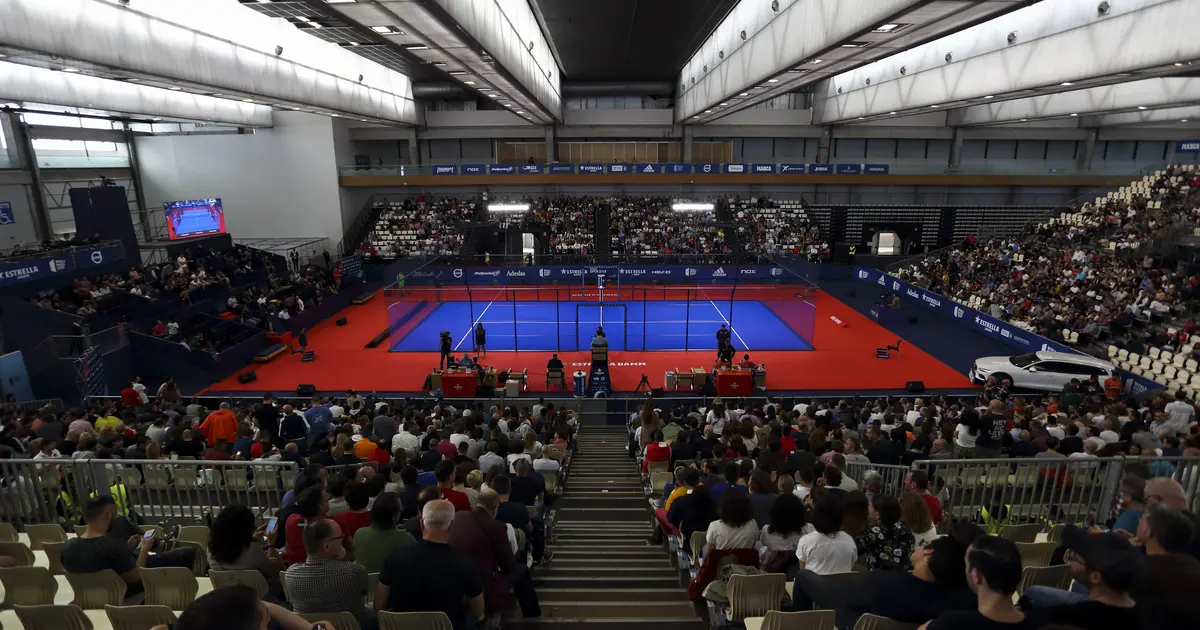
What Happens After a Fault in Padel?
4 min read
After a first serve fault, you get a second serve. If your second serve is also a fault (a double fault), the receiving team wins the point. The two-serve system works identically to tennis and gives the server a safety net while keeping the game moving.
What Counts as a Serve Fault?
Under the FIP Rules of Padel, a serve is a fault if any of the following occur:
- The ball does not land in the correct service box (the diagonally opposite box)
- The ball hits the net and lands outside the service box
- The ball hits the side wall or back glass before bouncing in the service box
- The server commits a foot fault (foot on or over the service line, or standing outside their service half)
- The server swings and misses the ball entirely
- The ball is struck above hip/waist level (overhand serve)
- The server bounces the ball outside their service half before striking it
For a complete breakdown, see padel serve rules.
First Fault → Second Serve
After a first serve fault, the server simply serves again from the same side. There is no penalty beyond losing the first serve. The second serve follows exactly the same rules as the first — same service box, same underhand technique, same foot position requirements.
Most players use a more conservative second serve to avoid the double fault, but tactically there is no rule preventing an aggressive second serve.
Double Fault → Point Lost
If the second serve is also a fault, the point is awarded to the receiving team. The score advances as if the receivers had won the rally. Double faults are one of the most costly errors in padel because they give away a point without any rally taking place.
Lets — When the Serve Is Replayed
A let is different from a fault. A let means the serve is replayed without any penalty, and the server retains whichever serve they were on (first or second). A let is called when:
- The ball clips the top of the net and still lands in the correct service box
- The receiver was not ready and made no attempt to return the serve
- Play is interrupted by an external factor (ball from another court, obstruction)
If a let occurs on a first serve, the server replays the first serve. If it occurs on a second serve, the server replays the second serve. There is no limit to the number of consecutive lets — each one is simply replayed.
See faults and lets for the complete guide.
Foot Faults
A foot fault is called when the server’s foot touches or crosses the service line before striking the ball, or when the server stands outside their designated service half. Foot faults are treated like any other fault:
- First foot fault → second serve
- Second foot fault (or foot fault on second serve) → double fault, point to receiver
2026 rule change: The 2026 FIP revision clarified that the server must have both feet behind the service line at the moment of striking the ball. The previous wording referred to “at least one foot on the ground behind the line,” which created ambiguity about jumping serves. Under the 2026 rules, if either foot is on or over the line at the moment of contact, it is a fault.
After the Serve — Return Rules
Once a valid serve lands in the correct box, the receiver must return it after one bounce. The receiver cannot volley the serve (hit it before it bounces). If the receiver volleys the serve, the serving team wins the point. After the return of serve, normal rally rules apply and either team may volley.
Quick Reference
| Situation | Result |
|---|---|
| First serve fault | Second serve |
| Second serve fault (double fault) | Point to receiver |
| Serve hits net, lands in box | Let — replay same serve |
| Receiver not ready | Let — replay same serve |
| Foot fault on first serve | Second serve |
| Foot fault on second serve | Double fault — point to receiver |
| Receiver volleys the serve | Point to server |
See also: serve rules · faults and lets · scoring
Stay in the loop
Get padel rule updates and tournament news — no spam.
More in Basic Rules

What Happens If the Ball Hits a Player in Padel?
If the ball hits a player's body in padel, that player's team loses the point — with limited exceptions. Full FIP rule breakdown with scenarios.
What Happens When the Ball Goes Out of the Court in Padel?
When the ball leaves the padel court through an open door or over the fence, the point may continue if a player can retrieve it.
Can the Ball Bounce Twice in Padel?
No — if the ball bounces twice on your side of the court, you lose the point. Learn the one-bounce rule, wall rebounds, and the exceptions every padel.
Padel Fault Rules and Lets
A fault is an invalid serve — two faults lose the point. A let means the serve is replayed with no penalty. Covers every fault type and the let rule.