 PADEL RULES
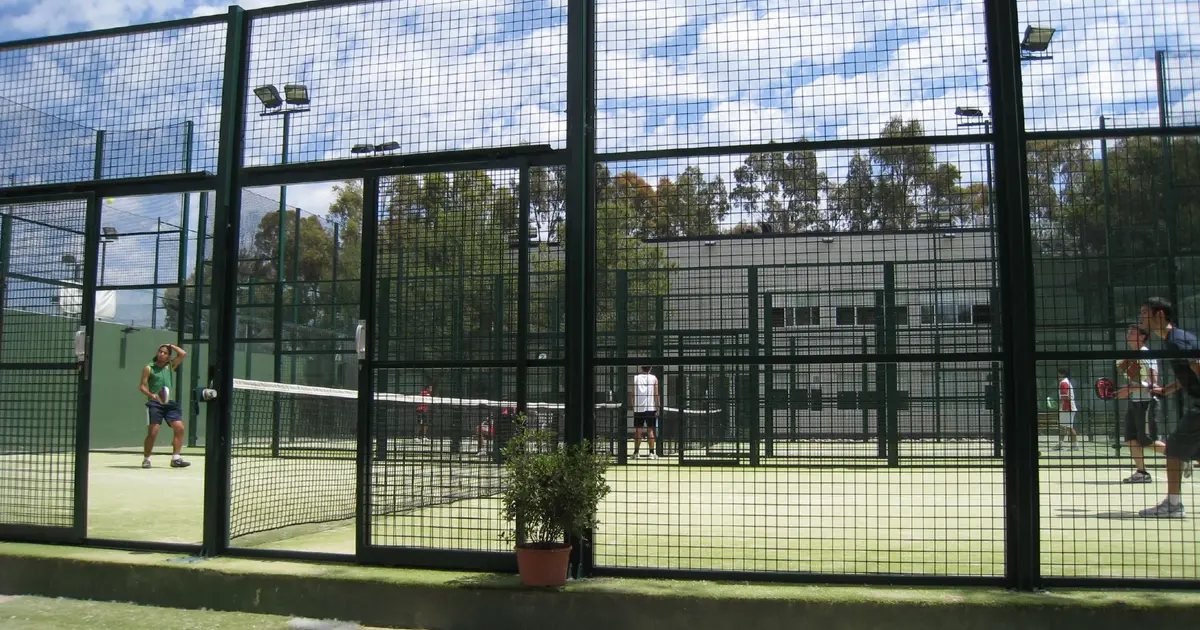
Padel Rules FAQ — Your Questions Answered
4 min read
Padel is one of the fastest-growing racket sports in the world, but its rules can be confusing at first — especially the wall play, the serve, and the scoring options. Below are answers to the questions players ask most often. For the complete official rulebook, see Padel Rules 2026.
Scoring
What is the scoring system in padel?
Padel uses the same point progression as tennis: 15, 30, 40, and game. A set is won by the first team to reach 6 games with a minimum two-game advantage. At 6-6 a tie-break is played (first to 7 points, win by 2). Matches are normally best of three sets.
What happens at deuce?
When a game is tied at 40-40 (“deuce”), there are three official options — all must be agreed before the match:
- Advantage mode — classic tennis deuce, must win two consecutive points.
- Star Point mode (since January 2026) — a structured sequence of deuce levels before a decisive golden point.
- Golden point — a single decisive point is played immediately at first deuce, with the receiving team choosing the service side.
The Serve
How does the serve work?
The server bounces the ball on the ground within their service half, then strikes it at or below hip/waist level. The ball must pass the net and land in the diagonally opposite service box. Overhand serves are not permitted. Two consecutive faults lose the point.
What is a service let?
If the served ball clips the net and still lands in the correct service box it is a let — the serve is replayed. There is no limit to the number of lets in a row.
Wall Play
Can the ball hit the walls?
Yes — wall play is one of padel’s defining features. After the ball bounces once on your side of the court, it may rebound off any wall and remain in play. Players can also deliberately play shots into the side or back walls on their own side. The ball must always bounce on the floor before hitting a wall on the receiving team’s side after crossing the net.
What is out-of-court play?
Players may exit through the court gates to retrieve a ball that has left the enclosure and continue playing the point from outside. This “exit play” rule makes padel unique and allows spectacular defensive shots.
Faults and Lets
What is a fault?
A service fault occurs when the serve lands outside the service box, the ball is struck above waist height, the server’s feet cross the service line before contact, or the ball bounces in the wrong service half. Two consecutive faults on the same point give the point to the receiving team.
What is a let?
A let is a valid interruption that requires a point or serve to be replayed. The most common let is a served ball that touches the net cord before landing correctly in the service box.
Match Format
How many sets are in a padel match?
Standard padel matches are best of three sets. Some formats replace the third set with a match tie-break (first to 10 points, win by 2).
Court and Equipment
What are the court dimensions?
- Length: 20 m · Width: 10 m
- Net height: 88 cm at posts, 92 cm at centre
- Service box length: 6.95 m each
- Walls must be between 3 m and 4 m high; fencing above that height
What equipment is required?
- Racket: Solid perforated bat, max 45.5 cm total length, no strings
- Ball: Padel-specific ball (ITF or FIP approved)
- Wrist strap: Mandatory — must attach the racket to the player’s wrist at all times during play
- Footwear: Non-marking court shoes recommended
Stay in the loop
Get padel rule updates and tournament news — no spam.
More in Basic Rules

What Happens If the Ball Hits a Player in Padel?
If the ball hits a player's body in padel, that player's team loses the point — with limited exceptions. Full FIP rule breakdown with scenarios.
What Happens When the Ball Goes Out of the Court in Padel?
When the ball leaves the padel court through an open door or over the fence, the point may continue if a player can retrieve it.
Can the Ball Bounce Twice in Padel?
No — if the ball bounces twice on your side of the court, you lose the point. Learn the one-bounce rule, wall rebounds, and the exceptions every padel.
Padel Fault Rules and Lets
A fault is an invalid serve — two faults lose the point. A let means the serve is replayed with no penalty. Covers every fault type and the let rule.