 PADEL RULES
Padel in Portugal — A Nation of Passionate Padel Players (2026 Guide)
6 min read
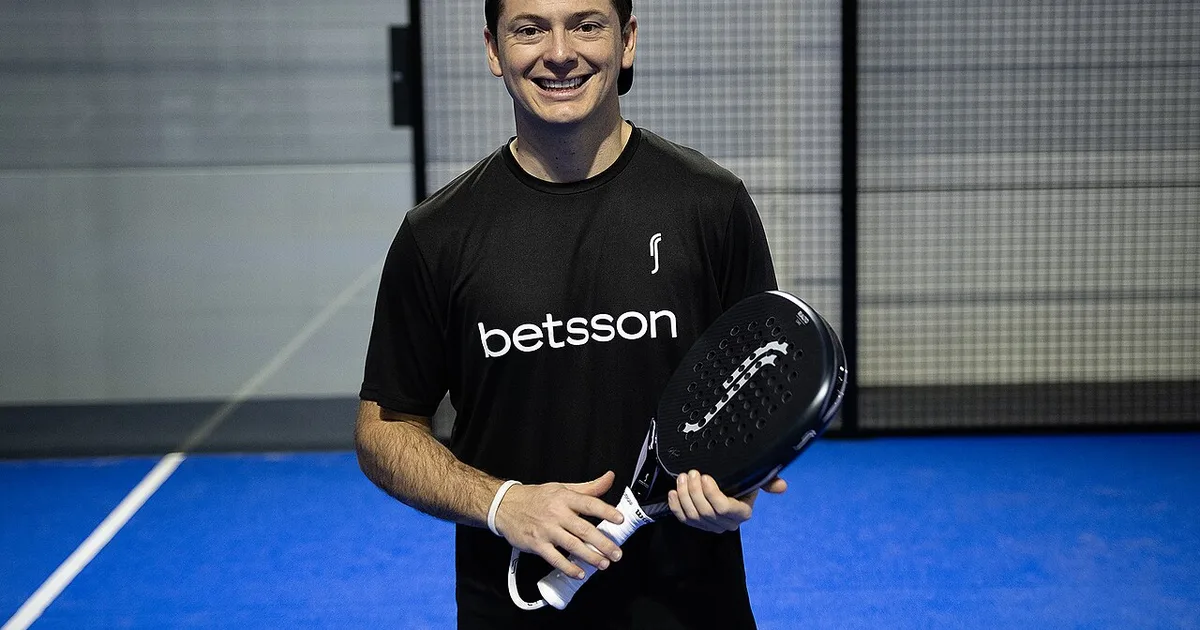
Portugal has become one of Europe’s most passionate padel nations. With over 200,000 active players and more than 2,000 courts, the sport has woven itself into the fabric of Portuguese sporting life. Proximity to Spain — the global heartland of padel — cultural affinity with Latin American padel traditions, and a perfect climate for outdoor play have combined to make Portugal a natural home for the sport.
How Padel Arrived in Portugal
Padel’s arrival in Portugal was heavily influenced by the country’s close ties with Spain. Spanish padel culture began crossing the border in the early 2000s, initially through border towns in the Algarve and Alentejo regions where cross-border sporting exchange is common.
By the late 2000s, padel courts were appearing at tennis clubs and sports facilities in Lisbon and Porto. The sport gained significant momentum from around 2014, when the first large-scale dedicated padel centres opened. Portuguese entrepreneurs who had experienced padel in Spain recognised the opportunity and began investing in facilities.
The growth accelerated dramatically from 2018 onwards. Media coverage of professional padel, social media exposure, and word of mouth created a wave of new players. For the full story of padel’s origins, see our history of padel.
Player Base and Participation
As of 2026, Portugal has more than 200,000 active padel players — an impressive figure for a country of approximately 10.3 million people. Key participation characteristics:
- Cross-generational appeal — Padel attracts players from juniors through to seniors, with strong participation in the 25–55 age range
- Tennis crossover — Many Portuguese tennis players have added padel to their sporting activities, or switched entirely
- Social and corporate play — After-work padel sessions and corporate leagues are a major driver of participation, particularly in Lisbon and Porto
- Expatriate communities — Portugal’s large Spanish, Brazilian, and Northern European expatriate populations have contributed to padel’s growth
The sport’s social nature resonates strongly with Portuguese culture, where communal activities and post-sport socialising are deeply valued.
Courts and Infrastructure
Portugal has more than 2,000 padel courts, making it one of the best-served countries in Europe on a per-capita basis.
Key Cities for Padel
- Lisbon — The capital has the largest concentration of padel facilities in Portugal. Major centres, sports clubs, and municipal courts are spread across the city and its suburbs. Premium indoor facilities complement the outdoor courts.
- Porto — Northern Portugal’s largest city has a thriving padel scene, with dedicated padel centres and strong club competition. The city’s sports culture has embraced padel enthusiastically.
- Algarve — Portugal’s southern coast is a padel hotspot, combining local players with tourists and the large expatriate community. Resorts and hotels increasingly offer padel as part of their sports amenities.
- Braga and Coimbra — Mid-sized cities with growing padel communities and new facility investments.
- Setúbal and Cascais — Greater Lisbon area locations with significant padel infrastructure and active league play.
Portugal’s mild climate is a major advantage, allowing outdoor play for much of the year. However, indoor and covered courts are also expanding to ensure year-round availability.
Top Portuguese Padel Players
Portugal’s competitive padel scene has matured significantly.
Men
- Vasco Pascoal — Portugal’s leading male player, competing on international circuits and consistently ranked among the top players in the country.
- Miguel Oliveira — A prominent figure in Portuguese padel, known for his competitive results domestically and internationally.
Women
- Sofia Araújo — One of Portugal’s top female players, representing the country at international events and contributing to the growth of women’s padel.
Portugal fields national teams at FIP World Championships and European Padel Championships, with results improving as the domestic player development pathway strengthens. The country’s proximity to Spain provides Portuguese players with access to high-level training and competition opportunities.
Federação Portuguesa de Padel (FPP)
The Federação Portuguesa de Padel (FPP) is the national governing body for padel in Portugal. The FPP oversees:
- National championships at all levels (junior, amateur, professional, veterans)
- Player licensing and national ranking system
- Coach and referee certification programmes
- Grassroots development and school programmes
- National team selection and preparation for FIP events
The FPP has played a key role in structuring competitive padel in Portugal, creating a league system that spans from local club competitions to the national championship. The federation also works closely with municipalities to promote padel court construction in public sports facilities.
Professional Padel in Portugal
Portugal has become an important stop on the international padel calendar. The country has hosted events on the Premier Padel circuit, bringing world-class competition to Portuguese audiences.
The domestic competition structure includes:
- National Championship — The premier domestic competition, attracting the country’s best players
- Regional leagues — Organised competition across Portugal’s districts
- Club championships — Inter-club competitions that form the backbone of competitive padel
- Veterans and youth championships — Dedicated age-group competitions
Portuguese padel has also benefited from the strong media presence of professional padel in neighbouring Spain. Spanish-language padel broadcasts are widely accessible in Portugal, and Portuguese players frequently compete in Spanish leagues and tournaments.
Growth and Future Outlook
Portugal’s padel market continues to expand. Key trends for 2026 and beyond:
- Facility investment — New padel centres continue to open across Portugal, with particular growth in indoor facilities in northern cities where weather can be less predictable.
- Padel tourism — Portugal is an increasingly popular padel tourism destination, combining high-quality facilities with the country’s renowned hospitality, cuisine, and climate.
- Youth development — The FPP is investing in junior programmes and school introductions to build long-term participation.
- International events — Portugal’s profile as a host of Premier Padel events strengthens the sport’s visibility and provides inspiration for domestic players.
- Women’s padel — Female participation is growing strongly, supported by dedicated competitions and growing media coverage of women’s professional padel.
What Makes Padel in Portugal Unique
Portugal’s padel culture is shaped by several distinctive factors. The country’s proximity to Spain means Portuguese players have direct access to the world’s strongest padel ecosystem. The cultural and linguistic connections with Brazil — where padel has deep roots — add another dimension. And Portugal’s warm climate and outdoor lifestyle make padel a natural fit for the country’s sporting culture.
For visitors, Portugal offers an outstanding padel experience. Courts are widely available, equipment rental is common, and the welcoming club atmosphere makes it easy to find a game. Combining padel with Portugal’s beaches, cuisine, and cultural attractions makes the country one of Europe’s best padel destinations.
Stay in the loop
Get padel rule updates and tournament news — no spam.
More in Padel Around the World

Padel in Argentina — The Other Padel Superpower (2026 Guide)
Padel in Argentina: 4 million players, legendary players like Belasteguín and Tapia, Buenos Aires court density, and the Argentine padel tradition.
Padel in Australia — From Expat Sport to National Phenomenon (2026 Guide)
Everything about padel in Australia: 180+ courts, Tennis Australia backing, top Australian players, major clubs, and the explosive growth of padel down.

Padel in Austria — Central Europe's Rising Padel Market (2026 Guide)
Padel in Austria: 150+ courts, a growing player base, Vienna as the main hub, the Austrian Padel Association, and why this Alpine nation is becoming.
Padel in Belgium — Europe's Rising Padel Hotspot (2026 Guide)
Everything about padel in Belgium: 100,000+ players, 800+ courts, top Belgian players, clubs in Brussels, Antwerp, and Ghent, and why Belgium is one.