 PADEL RULES

Padel in Mexico — The Birthplace of the Sport (2026 Guide)
5 min read
The Birthplace of Padel
Mexico holds a unique and irreplaceable position in the history of padel: it is where the sport was born. In 1969, Enrique Corcuera — a Mexican businessman and sports enthusiast — built the first padel court at his home in Acapulco. He enclosed a modified frontón court with walls and glass, creating the distinctive playing environment that defines padel to this day.
From that single court in Acapulco, padel would spread across the world — first to Spain (brought by Alfonso de Hohenlohe, who visited Corcuera), then to Argentina, and eventually to over 90 countries. For the complete story of padel’s invention and global spread, see our history of padel and the profile of Enrique Corcuera.
History and Cultural Context
The Early Years (1969–1980s)
After Corcuera created the sport, padel initially spread within Mexico’s affluent social circles. The courts at Corcuera’s Acapulco home became a destination for friends and business associates, many of whom fell in love with the game. Several built their own courts at private residences and social clubs.
However, padel’s Mexican growth was limited compared to what happened when the sport reached Spain and Argentina. Several factors contributed:
- Existing sports competition — Football (soccer) dominates Mexican sports culture, and tennis had an established position in the racket sport space
- Limited infrastructure investment — Unlike Spain, Mexico did not experience a mass court construction boom in the 1980s and 1990s
- Geographic distance from the professional circuit — The World Padel Tour and later Premier Padel have been Euro-centric, limiting visibility in Mexico
Rediscovery (2010s–Present)
The 2010s brought a padel renaissance to Mexico. Several factors drove this:
- Global padel boom — As the sport grew worldwide, Mexican awareness increased through social media and returning expatriates
- Spanish and Argentine influence — Mexican professionals and tourists who played padel in Spain or Argentina brought the sport back home
- Commercial investment — Entrepreneurs recognised the opportunity and began building padel centres in major cities
- A1 Padel (APT) events — The A1 Padel circuit has included Mexican stops, bringing professional padel to local audiences
Courts and Infrastructure
Mexico’s padel infrastructure is growing:
Key Cities
- Mexico City — The capital has the highest concentration of padel courts in the country, with dedicated centres in upscale neighbourhoods like Polanco, Santa Fe, and Interlomas
- Monterrey — Mexico’s business capital has embraced padel, with strong growth in court construction and competitive play
- Guadalajara — Mexico’s second city has a growing padel scene, supported by Jalisco’s strong sports culture
- Cancún and the Riviera Maya — Tourist destinations offer padel facilities that serve both visitors and local communities
- Querétaro and Puebla — Mid-size cities where padel is gaining traction
Facility Types
- Private clubs — Exclusive social clubs with padel courts, continuing the sport’s elite origins in Mexico
- Commercial padel centres — Modern, purpose-built facilities open to the public
- Hotel and resort courts — Tourist-oriented facilities in beach destinations
- Multi-sport complexes — Sports centres adding padel to their offerings
The Mexican Padel Community
Padel in Mexico has a distinct character:
- Social emphasis — Like in Spain and Argentina, padel in Mexico is as much about the social experience as the sport itself. Post-match meals and drinks are central to the culture
- Cross-generational appeal — Families play together, with padel accessible to children and older adults
- Business networking — Padel has become a networking tool in Mexican business circles, similar to golf
- Expat community — Spanish and Argentine communities in Mexico have helped seed padel culture
Competitive Padel in Mexico
Mexico’s competitive padel structure includes:
- National championships organised by the Federación Mexicana de Pádel
- A1 Padel events providing exposure to professional-level competition
- Regional and club tournaments creating a grassroots competitive pathway
- Growing junior programmes developing the next generation of Mexican players
While Mexico has not yet produced a consistently top-ranked Premier Padel player, the pipeline is strengthening as more resources flow into player development.
The Significance of Mexico in Padel’s Story
Mexico’s importance to padel cannot be overstated. Without Enrique Corcuera’s invention in 1969, the sport simply would not exist. While Spain and Argentina drove padel’s growth into a mass-participation global sport, Mexico is the wellspring — the place where it all began.
There is a growing recognition within the padel world of Mexico’s historical role. International bodies and professional circuits have worked to include Mexico in major events and honour the country’s contribution. The Corcuera name remains revered in padel circles worldwide.
Outlook (2026 and Beyond)
The outlook for padel in Mexico is positive:
- Continued court construction as demand grows in major cities
- A1 Padel and potentially Premier Padel events bringing world-class competition
- Youth development programmes building the talent pipeline
- Commercial investment in facilities and equipment
- Cultural reconnection — Mexico is rediscovering and reclaiming the sport it invented
Mexico may never rival Spain or Argentina in terms of player numbers, but it has a unique opportunity to leverage its status as padel’s birthplace to build a thriving padel culture. The sport is coming home.
Stay in the loop
Get padel rule updates and tournament news — no spam.
More in Padel Around the World
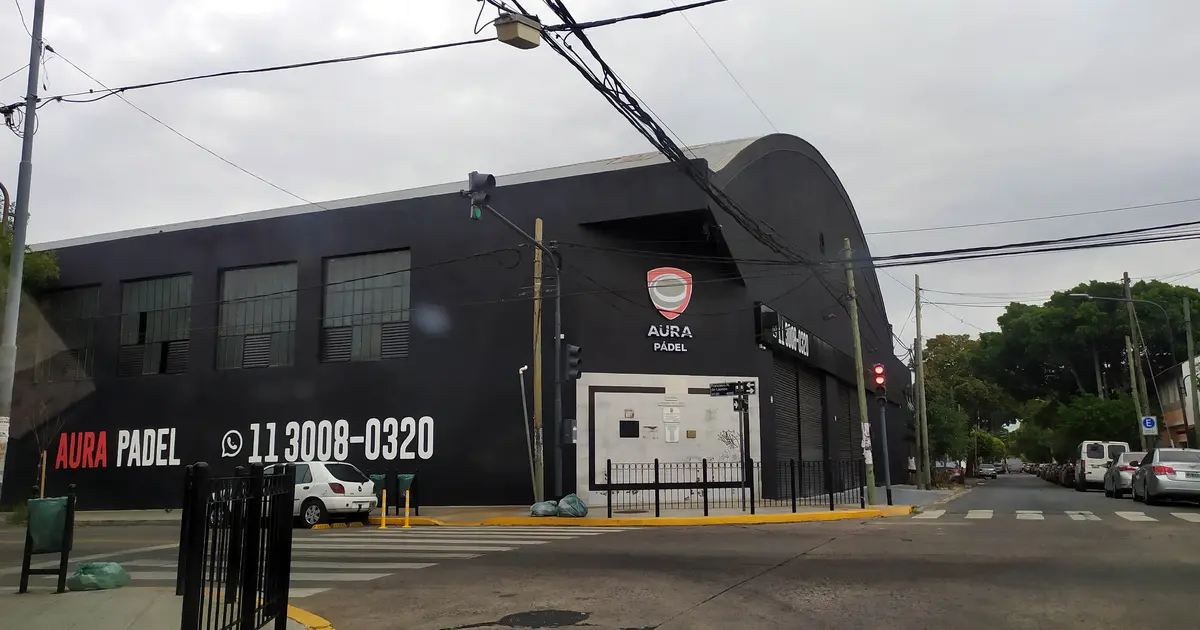
Padel in Argentina — The Other Padel Superpower (2026 Guide)
Padel in Argentina: 4 million players, legendary players like Belasteguín and Tapia, Buenos Aires court density, and the Argentine padel tradition.
Padel in Australia — From Expat Sport to National Phenomenon (2026 Guide)
Everything about padel in Australia: 180+ courts, Tennis Australia backing, top Australian players, major clubs, and the explosive growth of padel down.
Padel in Austria — Central Europe's Rising Padel Market (2026 Guide)
Padel in Austria: 150+ courts, a growing player base, Vienna as the main hub, the Austrian Padel Association, and why this Alpine nation is becoming.
Padel in Belgium — Europe's Rising Padel Hotspot (2026 Guide)
Everything about padel in Belgium: 100,000+ players, 800+ courts, top Belgian players, clubs in Brussels, Antwerp, and Ghent, and why Belgium is one.