 PADEL RULES
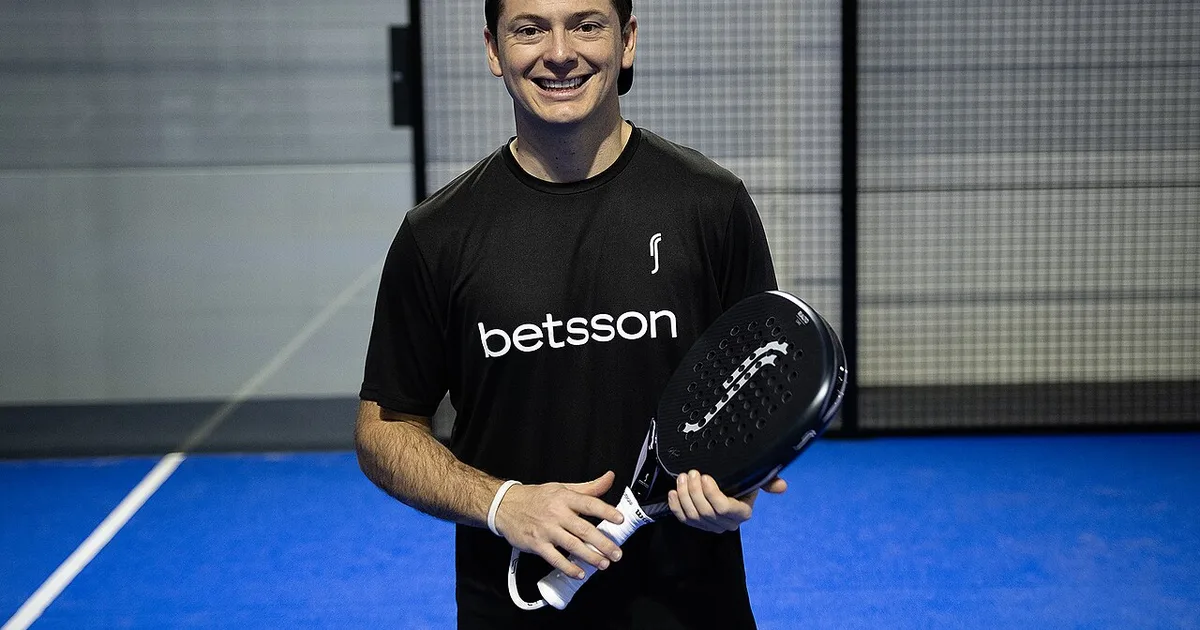
Padel in Germany — Europe's Fastest-Growing Padel Market (2026 Guide)
6 min read
Germany is the biggest padel growth story in Europe. From virtually zero presence in 2018, the country has rapidly built a thriving padel scene with over 200,000 players and more than 700 courts. With Europe’s largest population and a deep sports culture, Germany represents the single biggest untapped market for padel — and it is being tapped at extraordinary speed.
How Padel Arrived in Germany
Padel was slow to reach Germany compared to southern European countries. While Spain and Italy had well-established padel scenes by the 2010s, Germany’s first padel courts appeared only around 2015, primarily at international sports clubs and through Spanish expatriate communities in cities like Munich and Frankfurt.
The breakthrough came between 2019 and 2022. Private investors — many inspired by padel’s success in Spain and Scandinavia — began building dedicated padel centres in major German cities. The founding of the Deutscher Padel Verband (DPV) in 2019 provided organisational structure, and media coverage of the professional padel tours brought mainstream attention.
Germany’s large tennis community proved to be the sport’s most important growth engine. Tennis players discovered padel through holidays in Spain, social media, and word of mouth, and found a sport that was easier on the body, more social, and quicker to enjoy at a recreational level.
Player Base and Participation
As of 2026, Germany has more than 200,000 active padel players, with the number growing rapidly. Key participation trends:
- Tennis crossover — A significant proportion of German padel players come from tennis backgrounds, attracted by the social doubles format and lower physical demands
- Corporate adoption — Padel has become popular as a corporate networking and team-building sport, driving weekday usage
- Young professionals — The 25–40 age group is the core demographic, drawn by padel’s combination of fitness, competition, and social interaction
- Family participation — Padel’s accessibility makes it popular with families, with many centres offering junior programmes
Germany’s 83 million population gives it enormous growth potential. Industry analysts project that the country could have over 500,000 players within the next few years as court supply catches up with demand.
Courts and Infrastructure
Germany has more than 700 padel courts, with construction accelerating. The focus is heavily on indoor facilities, essential for Germany’s climate.
Key Cities for Padel
- Munich — Bavaria’s capital was an early mover in German padel. The city has multiple dedicated padel centres and a strong competitive scene, partly influenced by proximity to Austrian and Italian padel culture.
- Berlin — The capital has seen rapid padel growth, with new centres opening across the city. Berlin’s large international community and startup culture have embraced padel’s social format.
- Hamburg — Northern Germany’s largest city has invested in premium indoor padel facilities, with strong participation from the business community.
- Düsseldorf and Cologne — The Rhine-Ruhr region, Germany’s most densely populated area, is a key growth market with multiple new padel centres and club conversions.
- Frankfurt — The financial capital has a growing padel scene driven by its international business community and proximity to other European padel markets.
Top German Padel Players
Germany’s competitive padel scene is still young but developing quickly.
Men
- Philipp Seitner — One of Germany’s highest-ranked players, representing the country at international FIP events.
- Thomas Schmid — A consistent performer in national and regional competitions, helping to build Germany’s competitive profile.
Women
Germany’s women’s padel scene is growing, with increasing numbers competing in national championships and international qualifiers. The depth of talent is expected to increase as junior development programmes mature and more athletes transition from tennis and other racket sports.
Germany regularly participates in FIP World Championships and European Padel Championships, with the quality of its national teams improving as the domestic competition infrastructure strengthens.
Deutscher Padel Verband (DPV)
The Deutscher Padel Verband (DPV), founded in 2019, is the national governing body for padel in Germany. The DPV oversees:
- National championships and ranking system
- Regional league structures
- National team selection for FIP events
- Coach education and certification
- Grassroots development initiatives
The DPV works alongside the German Tennis Federation (DTB), which has increasingly recognised padel as a complementary sport. Some regional tennis associations now include padel in their offerings, providing organisational support and facilities.
Professional Padel in Germany
Germany has become an important venue on the international padel calendar. The country has hosted Premier Padel events, bringing the world’s top players to German audiences and generating significant media attention.
The domestic competition structure includes:
- National championships — Annual events for men’s, women’s, and mixed categories
- Regional leagues — Organised competition across Germany’s federal states
- Corporate tournaments — A growing segment that introduces the sport to new players
- International events — Premier Padel and exhibition events featuring top international players
Television and streaming coverage of padel in Germany is increasing, with sports media recognising the growth story and audience interest.
Growth and Future Outlook
Germany’s padel trajectory is steep and shows no signs of flattening. Key trends for 2026 and beyond:
- Massive court construction — The pipeline of new padel facilities across Germany is significant, with major indoor centres planned or under construction in virtually every large city.
- Tennis club integration — German tennis clubs are adding padel courts at an increasing rate, leveraging existing membership bases and infrastructure.
- Investment inflow — Venture capital and private equity investment in German padel is substantial, reflecting confidence in the market’s growth potential.
- Media and sponsorship growth — Major brands are entering padel sponsorship in Germany, driving awareness and commercial development of the sport.
- Youth programmes — Schools and sports clubs are beginning to introduce padel, building long-term participation.
What Makes Padel in Germany Unique
Germany’s padel story is unique because of its speed and scale. No major European market has gone from near-zero to mainstream attention as quickly. The combination of a large, sports-active population, strong investment, excellent indoor infrastructure, and a massive tennis crossover audience has created ideal conditions for padel’s growth.
For visitors, Germany’s padel facilities are modern, well-equipped, and accessible. Courts can be booked online, equipment is available for hire, and the atmosphere at German padel centres — often combining sport with café culture and socialising — makes for an excellent experience. Germany may be a latecomer to padel, but it is making up for lost time at remarkable speed.
Stay in the loop
Get padel rule updates and tournament news — no spam.
More in Padel Around the World

Padel in Argentina — The Other Padel Superpower (2026 Guide)
Padel in Argentina: 4 million players, legendary players like Belasteguín and Tapia, Buenos Aires court density, and the Argentine padel tradition.
Padel in Australia — From Expat Sport to National Phenomenon (2026 Guide)
Everything about padel in Australia: 180+ courts, Tennis Australia backing, top Australian players, major clubs, and the explosive growth of padel down.
Padel in Austria — Central Europe's Rising Padel Market (2026 Guide)
Padel in Austria: 150+ courts, a growing player base, Vienna as the main hub, the Austrian Padel Association, and why this Alpine nation is becoming.
Padel in Belgium — Europe's Rising Padel Hotspot (2026 Guide)
Everything about padel in Belgium: 100,000+ players, 800+ courts, top Belgian players, clubs in Brussels, Antwerp, and Ghent, and why Belgium is one.