 PADEL RULES
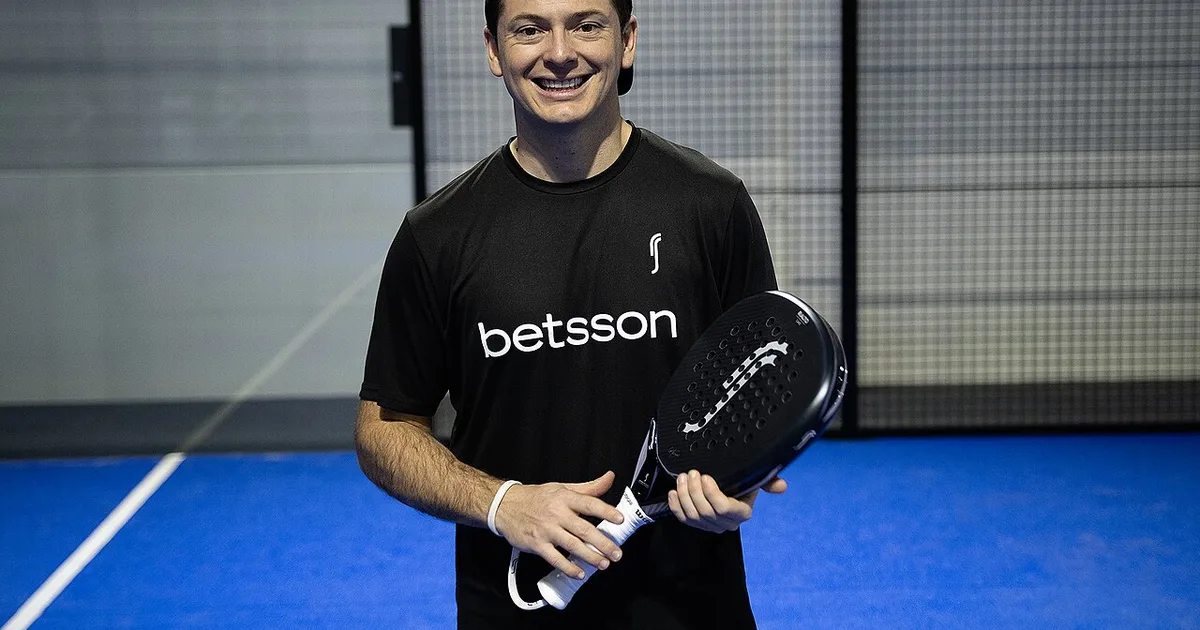
Padel in Chile — South America's Padel Tradition Meets Modern Growth (2026 Guide)
6 min read
Chile has one of the longest and deepest padel traditions in South America outside of Argentina. With over 300,000 active players and more than 800 courts, the sport is firmly established in Chilean sporting culture. What makes Chile’s padel story distinctive is the combination of deep roots — the sport has been played here for decades — and a recent surge in growth that has brought padel to an entirely new generation of players.
How Padel Arrived in Chile
Padel came to Chile primarily through Argentina, its neighbour across the Andes. The sport arrived in the 1980s and 1990s, brought by Argentine expatriates and Chilean travellers who discovered padel in Buenos Aires, where it was already a national obsession.
The first padel courts in Chile appeared at private clubs and sports facilities in Santiago. By the late 1990s, padel had established a foothold in the Chilean club scene, attracting tennis players and sports enthusiasts who appreciated the social format and accessibility.
Growth was steady but not explosive through the 2000s and early 2010s. The breakthrough to mainstream adoption came from around 2017, driven by the same factors that propelled padel globally: social media visibility, investment in modern facilities, and the sport’s inherent social appeal. For the full origins of the sport, see our history of padel.
Player Base and Participation
As of 2026, Chile has more than 300,000 active padel players — a significant figure for a country of approximately 19.5 million people. Key participation characteristics:
- Long-standing player community — Unlike newer markets, Chile has a mature padel community with players who have been playing for decades alongside a wave of newcomers
- Strong tennis crossover — Chile’s tennis tradition (the country has produced ATP players like Nicolás Massú, Fernando González, and Cristian Garín) provides a natural pipeline of players who take up padel
- Social and club culture — Padel fits perfectly into Chile’s club sport tradition, with after-game socialising being an integral part of the experience
- Growing youth participation — Younger Chileans are discovering padel through social media, university clubs, and modern padel centres
Courts and Infrastructure
Chile has more than 800 padel courts, with a mix of long-established club courts and modern dedicated facilities.
Key Cities for Padel
- Santiago — The capital dominates Chilean padel, with the largest concentration of courts and clubs. Major padel centres, country clubs, and sports complexes in Santiago and its suburbs offer extensive playing options. Neighbourhoods like Las Condes, Vitacura, and Providencia are particular hotspots.
- Viña del Mar — This coastal city has a strong padel tradition, with clubs offering courts alongside the city’s beach and resort culture.
- Concepción — Southern Chile’s largest city has a developing padel scene with growing facility investment.
- Valparaíso — The port city’s sports clubs include padel facilities, and the scene is growing alongside nearby Viña del Mar.
- La Serena and Antofagasta — Northern Chilean cities where padel is expanding, with new courts appearing at sports clubs and private facilities.
Chile’s central valley climate — dry summers and mild winters — makes outdoor padel comfortable for much of the year, particularly in Santiago and the coastal cities. Indoor and covered facilities are growing to extend playability during the rainy winter months.
Top Chilean Padel Players
Chile has a competitive padel tradition and produces players who perform well internationally.
Men
- Nicolás Suescun — Chile’s leading male player, with strong results in international FIP competitions and representation on South American circuits.
- Cristián Gutiérrez — A prominent figure in Chilean competitive padel, consistently ranked among the country’s top players.
Women
Chile’s women’s padel scene is growing, with increasing numbers competing in national championships and international qualifiers. The country’s tennis heritage provides a talent pipeline that benefits women’s padel development.
Chile regularly competes at FIP World Championships, Pan American padel events, and South American championships, with the country’s teams historically performing well in regional competition.
Federación Chilena de Pádel
The Federación Chilena de Pádel is the national governing body for padel in Chile. The federation oversees:
- National championships at all levels (junior, amateur, professional, veterans)
- Player licensing and national ranking system
- Coach certification and development programmes
- National team selection for FIP and South American events
- Grassroots development and youth programmes
The federation works within Chile’s sports governance structure and has benefited from the country’s broader investment in sports infrastructure and participation.
Growth and Future Outlook
Chile’s padel market is experiencing a second wave of growth. Key trends for 2026 and beyond:
- Modern facility investment — New padel centres with premium amenities are complementing the country’s existing club infrastructure, attracting a new demographic of players.
- Youth development — Schools and junior programmes are introducing padel to younger Chileans, building on the country’s existing racket sport tradition.
- International events — Chile is hosting more international padel events, raising the sport’s domestic profile and providing competitive opportunities.
- Cross-Andean exchange — Continued sporting exchange with Argentina benefits Chilean padel through shared competitions, coaching, and player development opportunities.
- Women’s padel growth — Dedicated women’s competitions and visibility of female players are driving increased female participation.
What Makes Padel in Chile Unique
Chile’s padel culture stands out for its combination of tradition and renewal. The sport has been established in the country for decades, giving Chile a depth of padel culture that newer markets lack. At the same time, recent investment and growth have modernised the scene, bringing in new facilities, new players, and new energy.
The country’s geography adds a distinctive flavour. Playing padel with the Andes as a backdrop in Santiago, or by the Pacific coast in Viña del Mar, is an experience unique to Chile. The country’s sporting passion — demonstrated across football, tennis, and now padel — ensures that the padel community is enthusiastic, competitive, and welcoming.
For visitors, Chile offers authentic South American padel culture with modern facilities. Courts are readily available, equipment can be rented, and the club atmosphere is social and inviting. Chile is an excellent destination for padel players seeking both quality play and a distinctive cultural experience.
Stay in the loop
Get padel rule updates and tournament news — no spam.
More in Padel Around the World
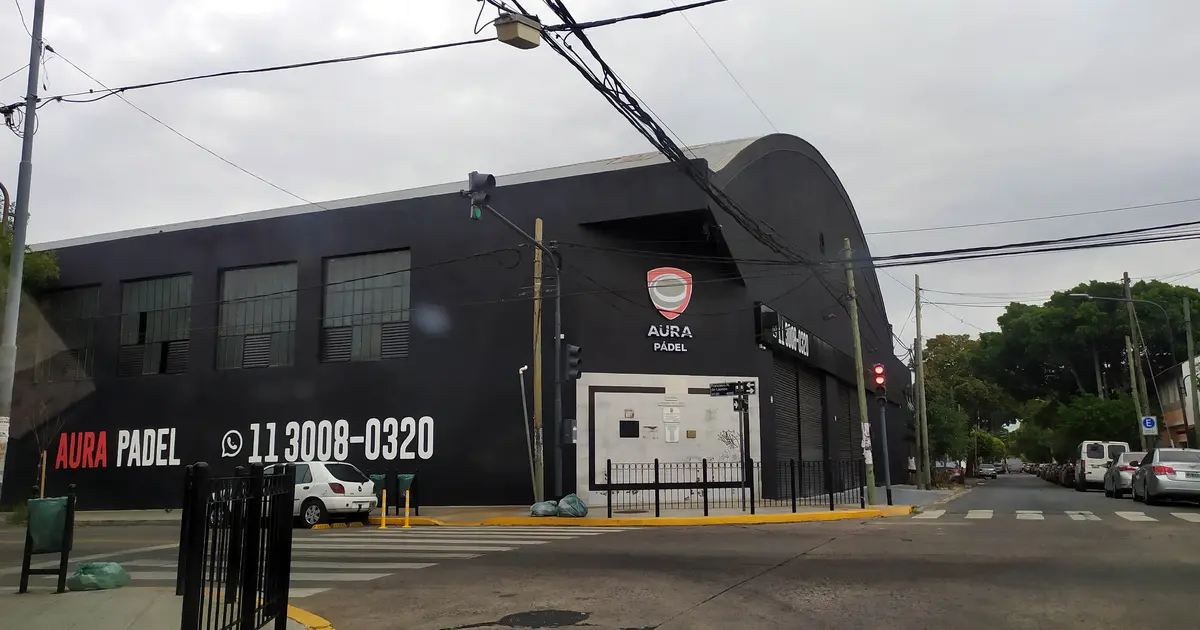
Padel in Argentina — The Other Padel Superpower (2026 Guide)
Padel in Argentina: 4 million players, legendary players like Belasteguín and Tapia, Buenos Aires court density, and the Argentine padel tradition.
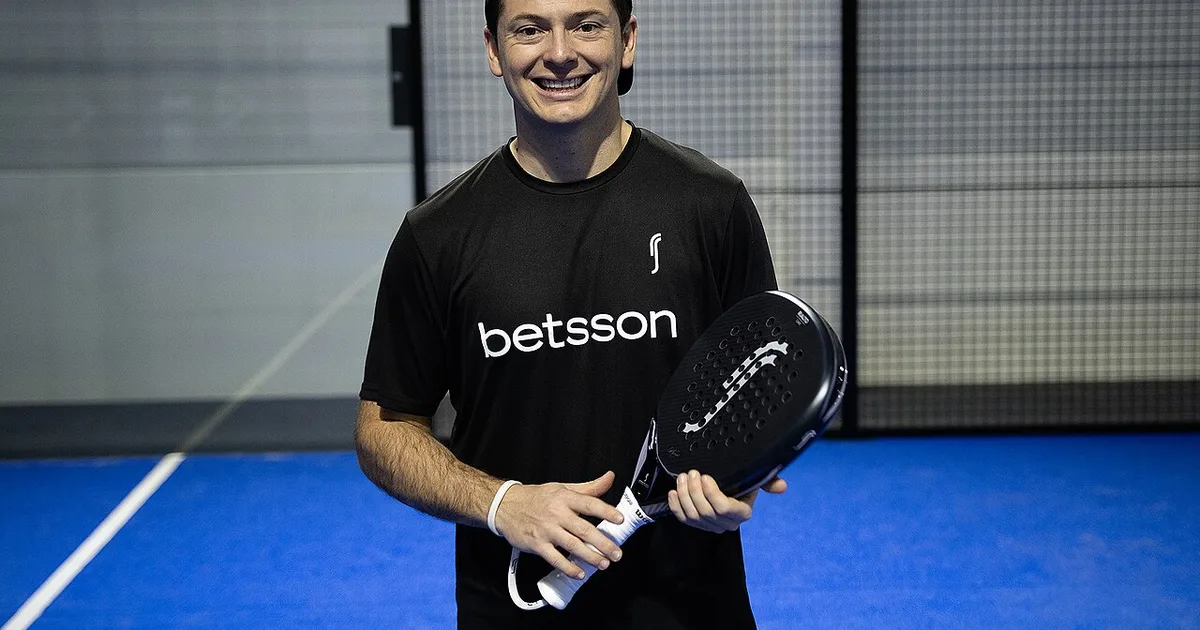
Padel in Australia — From Expat Sport to National Phenomenon (2026 Guide)
Everything about padel in Australia: 180+ courts, Tennis Australia backing, top Australian players, major clubs, and the explosive growth of padel down.

Padel in Austria — Central Europe's Rising Padel Market (2026 Guide)
Padel in Austria: 150+ courts, a growing player base, Vienna as the main hub, the Austrian Padel Association, and why this Alpine nation is becoming.
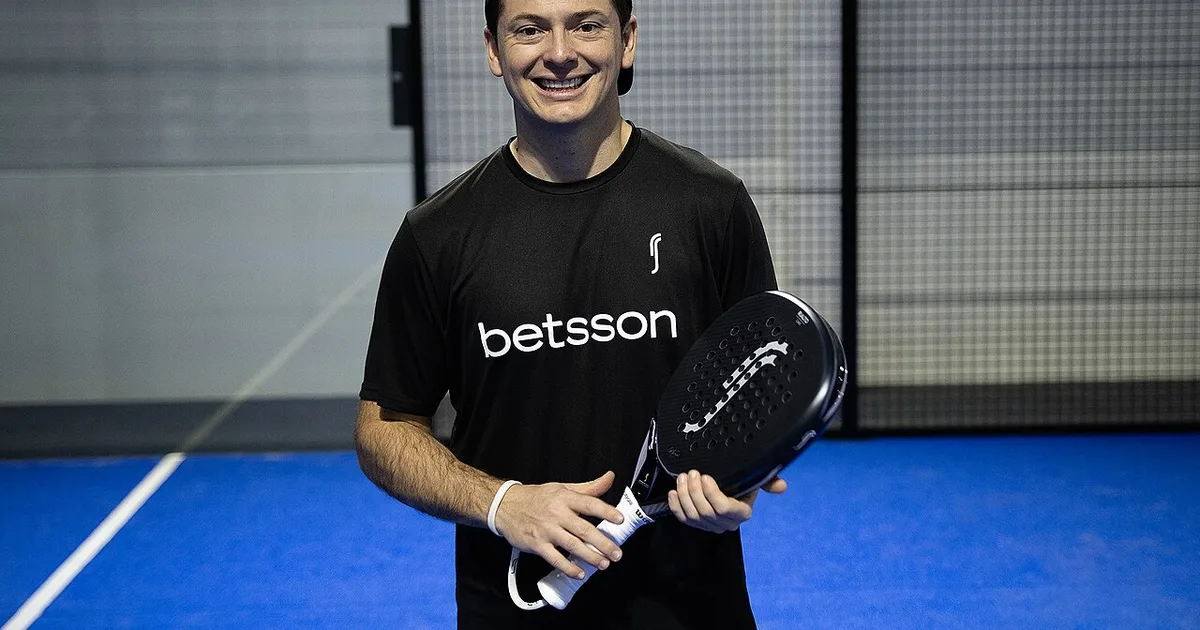
Padel in Belgium — Europe's Rising Padel Hotspot (2026 Guide)
Everything about padel in Belgium: 100,000+ players, 800+ courts, top Belgian players, clubs in Brussels, Antwerp, and Ghent, and why Belgium is one.