 PADEL RULES
Is Padel Easier Than Tennis? Learning Curve Comparison
5 min read
Padel is easier to pick up than tennis. Most beginners can sustain rallies and enjoy a competitive game within their first hour on court. Tennis typically requires more practice before you can play a full, enjoyable match. However, both sports are challenging to master at a high level — they just test different skills.
Why Padel Is Easier for Beginners
Several features of padel make it more accessible than tennis from the very first session:
The Serve
In padel, the serve is underarm — you drop the ball, let it bounce, and hit it at or below waist height. Almost everyone can get the ball in play on their first attempt.
In tennis, the serve is overarm and requires significant coordination, timing, and practice. Many beginners struggle with the tennis serve for weeks or months before it becomes reliable.
The Court Size
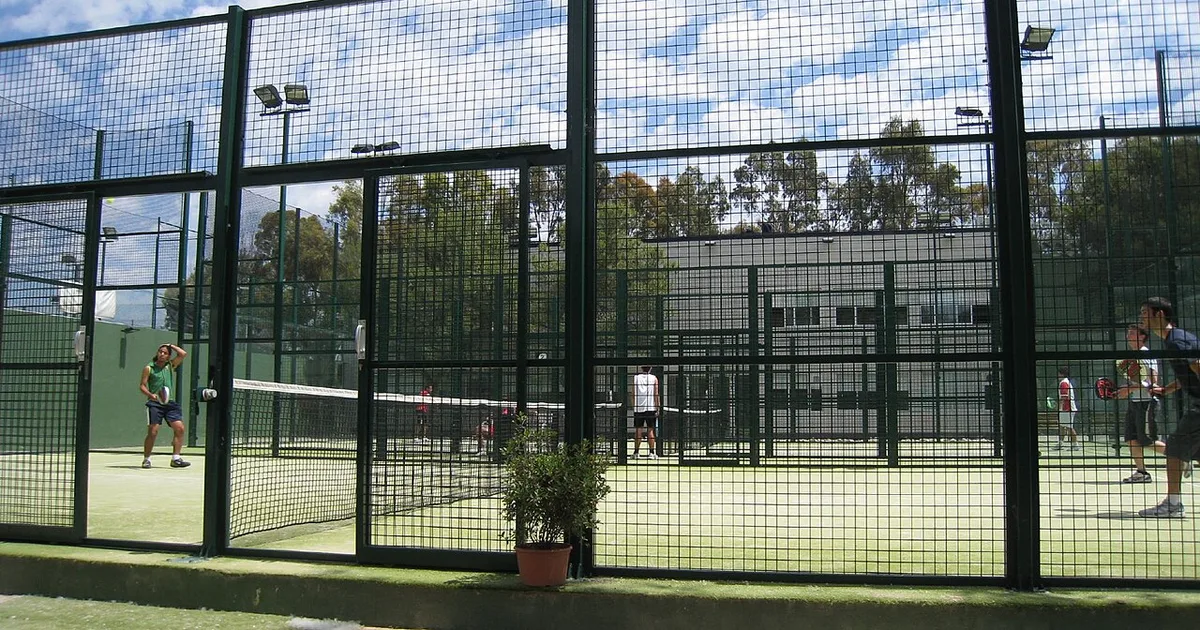
A padel court is 20 m × 10 m — significantly smaller than a tennis court (23.77 m × 10.97 m for doubles). Less ground to cover means less running, and even slower players can reach most balls.
The Walls
The enclosed glass walls and metal mesh keep the ball in play. In tennis, if you hit the ball long or wide, the point is over. In padel, the ball bounces off the walls and comes back — giving you a second chance and producing longer rallies.
Longer rallies mean more fun for beginners. Instead of spending most of a tennis session picking up balls, padel beginners spend most of their time actually playing.
The Racket
Padel rackets are solid (no strings), shorter, and lighter than tennis rackets. The sweet spot is more forgiving, and you do not need a full swing to generate effective shots. This lowers the technique barrier for beginners.
Doubles Only
Padel is always doubles. With a partner covering half the court, the pressure on each individual player is lower. Teamwork compensates for individual weaknesses, which is encouraging for new players.
What Tennis Players Need to Adjust
If you already play tennis, you will find the transition to padel fairly smooth. The scoring system is identical, and many skills transfer directly. However, you will need to adjust:
- Serve — switch from overarm to underarm. Focus on placement rather than power.
- Wall play — learn to read the ball coming off the glass. Timing and patience replace the instinct to hit every ball before it reaches the wall.
- Shot selection — power is less effective in padel because the walls absorb and return hard shots. Placement, touch, and lobs are more valuable than raw pace.
- Net positioning — in padel, the net is where you win points. Teams move forward together and aim to hold the net position. This is more structured than tennis net play.
- Racket feel — the solid padel racket has a different feel to a strung tennis racket. It takes a few sessions to adjust your touch.
Most tennis players become comfortable on a padel court within 3–5 sessions. For a full comparison of the rules, see our padel vs tennis guide.
Difficulty Comparison at Different Levels
| Aspect | Padel | Tennis |
|---|---|---|
| First session enjoyment | High — long rallies from day one | Low to moderate — many errors |
| Serve difficulty | Easy (underarm) | Hard (overarm, toss, timing) |
| Time to play a full match | 1–2 sessions | 5–10 sessions |
| Time to reach intermediate level | 3–6 months | 6–12 months |
| Physical demands (beginner) | Moderate | Moderate to high |
| Tactical complexity (advanced) | Very high | High |
| Mastery ceiling | Very high | Very high |
Where Padel Gets Difficult
Do not mistake padel’s easy entry for a lack of depth. At intermediate and advanced levels, padel becomes extremely tactical and technically demanding:
- Reading the glass — anticipating how the ball will come off the back and side walls at different angles and speeds requires hundreds of hours of experience
- Net control — winning the net, holding position, and executing volleys under pressure is a skill that separates levels dramatically
- Team coordination — moving as a unit with your partner, covering each other, and communicating mid-point is a skill that does not exist in singles tennis
- Touch shots — the bandeja, víbora, and chiquita are uniquely padel shots that take years to truly master
- Tactical awareness — choosing the right shot at the right time, managing the lob-volley balance, and exploiting opponent weaknesses requires deep game understanding
Which Should You Choose?
If you are deciding between starting padel or tennis:
- Choose padel if you want to have fun quickly, prefer a social doubles format, and enjoy tactical team play
- Choose tennis if you enjoy individual competition, want to develop a powerful serve and groundstrokes, and prefer outdoor courts with no walls
Many players enjoy both sports. The skills are complementary, and playing one will improve aspects of the other.
For help getting started with padel, read our complete beginner’s guide and common beginner mistakes to avoid.
Stay in the loop
Get padel rule updates and tournament news — no spam.
More in Beginner Guides
Can You Play Padel Alone? Solo Practice Options and Drills
Can you play padel alone? Padel is a doubles sport, but you can practise solo with wall drills, ball machines, and specific exercises.
Padel Doubles Tactics — Strategy Guide for All Levels
Master padel doubles tactics with this strategy guide. Covers court positioning, attacking from the net, defending from the baseline, and key shot.
How Long Does a Padel Match Last? Average Duration and Format
How long does a padel match last? Most padel matches last 60–90 minutes. Learn about set format, tie-breaks, and what affects match duration.
How to Find and Book a Padel Court
Learn how to find and book a padel court near you using Playtomic, Matchi, Google Maps, and club websites. Includes tips for first-timers on pricing, equipment hire, and what to expect.