 PADEL RULES
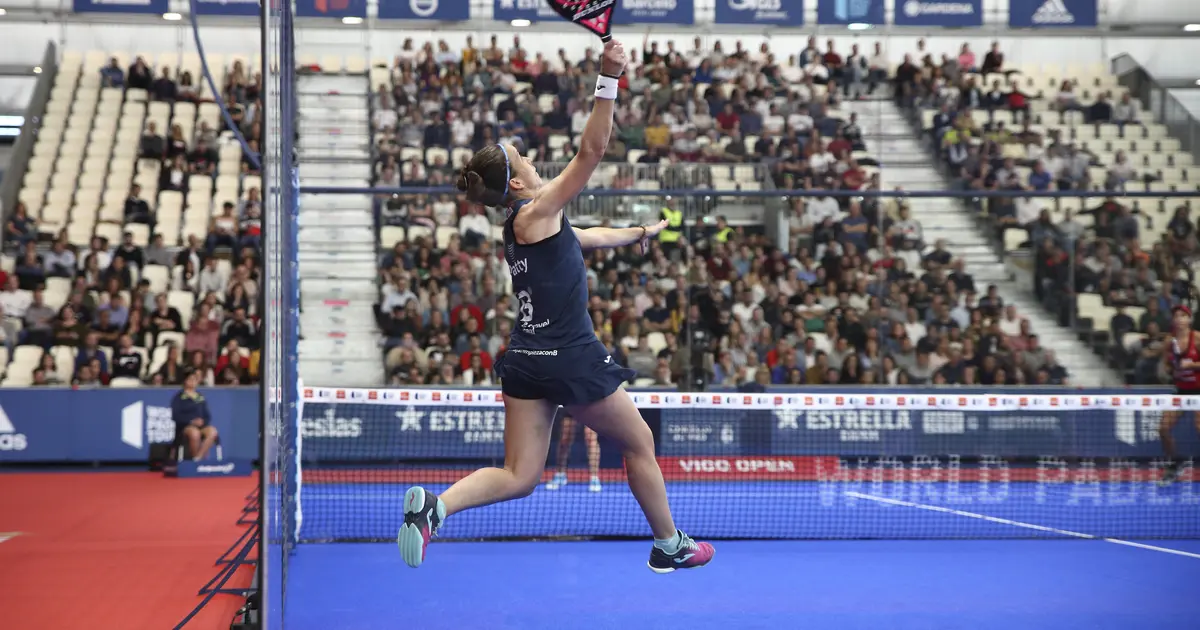
Padel for Kids — The Complete Parents' Guide to Junior Padel
6 min read
Padel is one of the best sports you can introduce to a child. It is social by design, easy to pick up, and physically rewarding without placing excessive strain on young bodies. Whether your child is six years old and curious about racket sports, or a teenager looking for a new challenge, this guide covers everything parents need to know about getting kids into padel.
What Age Can Children Start Playing Padel?
There is no single “correct” age, but there are practical guidelines based on physical and cognitive development.
Mini Padel: Ages 5 to 7
Mini padel uses a smaller court (roughly half the width and length of a standard court), a lighter racket, and Stage 3 low-compression balls that bounce slowly and stay low. At this stage the focus is entirely on fun — developing hand-eye coordination, learning to track a moving object, and enjoying the social nature of the game.
Children as young as 5 can take part in structured mini padel sessions run by qualified junior coaches. The format is adapted to their attention span: short drills, games with simple rules, and plenty of variety.
Regular Padel: Ages 7 to 8 and Up
From around age 7 or 8, most children have the coordination, spatial awareness, and rule comprehension to play on a standard padel court. They will typically move through the junior category system from sub-10 upwards, using age-appropriate balls (Stage 1 or Stage 2) until they are ready for the regular pressurised ball.
If your child has already played tennis, they may adapt to full padel even earlier. The underarm serve is intuitive for children, and the enclosed court means they spend less time fetching balls and more time rallying.
Physical, Social, and Cognitive Benefits
Physical Development
Padel builds a wide range of physical skills that are valuable well beyond the court:
- Coordination and balance — tracking the ball and positioning the racket trains the hand-eye coordination central to all racket sports
- Agility — the short, sharp movements required in padel improve lateral speed and footwork
- Cardiovascular fitness — a typical junior match involves sustained aerobic activity without the high-impact pounding of running sports
- Low injury risk — the underarm serve places no strain on young shoulders, and the softer balls used in junior play reduce impact further
Social Skills
Padel is always played as doubles. Children learn to communicate with a partner, share a court, support each other through mistakes, and celebrate together. These lessons in teamwork and communication are among the most valuable things sport can teach.
Cognitive Development
Reading the trajectory of a ball bouncing off a glass wall is genuinely complex. Junior padel players develop spatial reasoning, anticipation, and fast decision-making in a fun setting. The rules are also simple enough for children to understand and apply independently — building a sense of fairness and self-regulation.
Junior Coaching Programmes
Most established padel clubs now offer structured junior programmes. When choosing a programme for your child, look for:
- Qualified coaches — coaches accredited by the national padel federation or a recognised coaching body
- Small group sizes — no more than 6 to 8 children per court is ideal for genuine skill development
- Age-appropriate progression — sessions should move from fun-first games at the youngest ages to more structured technical work as children develop
- Competition pathway — clubs affiliated with the national federation can enter children into junior tournaments, which adds motivation and a clear progression ladder
Many clubs run holiday camps and after-school programmes as well as weekly sessions. These are excellent ways to combine skill development with a social experience in school holiday periods.
For finding padel clubs and facilities near you, see our how to find a padel court guide.
Equipment Guide by Age
Buying the right equipment is important. A racket that is too heavy or too long will develop poor habits and reduce enjoyment.
Racket Sizing
| Age Group | Racket Length | Recommended Weight |
|---|---|---|
| 5–7 years (mini) | 40–42 cm | 260–300 g |
| 8–10 years | 43–44 cm | 290–320 g |
| 11–13 years | 44–45 cm | 300–340 g |
| 14+ years | 45 cm (adult) | 330–360 g |
Choose a round racket shape for all junior ages. The large, centred sweet spot is forgiving on off-centre hits and builds confidence. Power-oriented diamond-shaped rackets are not appropriate for juniors.
Ball Selection
Junior padel uses low-compression balls coded by stage:
- Stage 3 (red) — for the youngest beginners and mini padel. Bounces very slowly, ideal for ages 5 to 7.
- Stage 2 (orange) — a medium-compression ball for ages 8 to 10.
- Stage 1 (green) — a ball slightly slower than a standard padel ball, suitable for ages 10 to 12.
- Standard ball — from around 12 to 13 years depending on development.
Shoes
Do not let children play padel in running shoes or flat trainers. The lateral movement and quick direction changes require a shoe with a herringbone or omni sole — the same grip pattern as adult padel shoes. Many sports brands offer junior court shoes in smaller sizes. Proper footwear significantly reduces the risk of ankle sprains.
Safety Considerations
Padel is a low-contact, low-impact sport but a few safety points are worth noting:
- Wrist strap — the racket must be worn with the wrist strap (also called a cord) attached. This applies to children too, even in casual play.
- Court awareness — children should be taught early not to run into the glass walls, especially when chasing a ball deep into a corner. Coaches reinforce this from the first session.
- Warm-up — a short warm-up before play is a good habit to build from a young age. Even five minutes of light movement and gentle stretching is worthwhile.
- Sun protection — for outdoor play, apply sunscreen and ensure children have access to water throughout the session.
How to Find Junior Padel Coaching
The easiest routes to finding junior padel coaching:
- Contact your national padel federation — most publish a club finder on their website with details of which clubs offer junior programmes
- Search local padel clubs directly — call or check the club website for junior schedules
- Ask at local tennis or sports centres — many are adding padel courts and junior programmes
- Social media and local Facebook groups — community padel groups often share information about junior sessions and camps
Once your child is playing regularly, ask the club about entering local junior tournaments. Competition is a brilliant motivator and helps children track their own progress in a structured way.
To understand the rules your junior will be playing by, see our junior padel rules guide and the padel rules for beginners.
Stay in the loop
Get padel rule updates and tournament news — no spam.
More in Beginner Guides
Can You Play Padel Alone? Solo Practice Options and Drills
Can you play padel alone? Padel is a doubles sport, but you can practise solo with wall drills, ball machines, and specific exercises.
Padel Doubles Tactics — Strategy Guide for All Levels
Master padel doubles tactics with this strategy guide. Covers court positioning, attacking from the net, defending from the baseline, and key shot.
How Long Does a Padel Match Last? Average Duration and Format
How long does a padel match last? Most padel matches last 60–90 minutes. Learn about set format, tie-breaks, and what affects match duration.
How to Find and Book a Padel Court
Learn how to find and book a padel court near you using Playtomic, Matchi, Google Maps, and club websites. Includes tips for first-timers on pricing, equipment hire, and what to expect.