 PADEL RULES
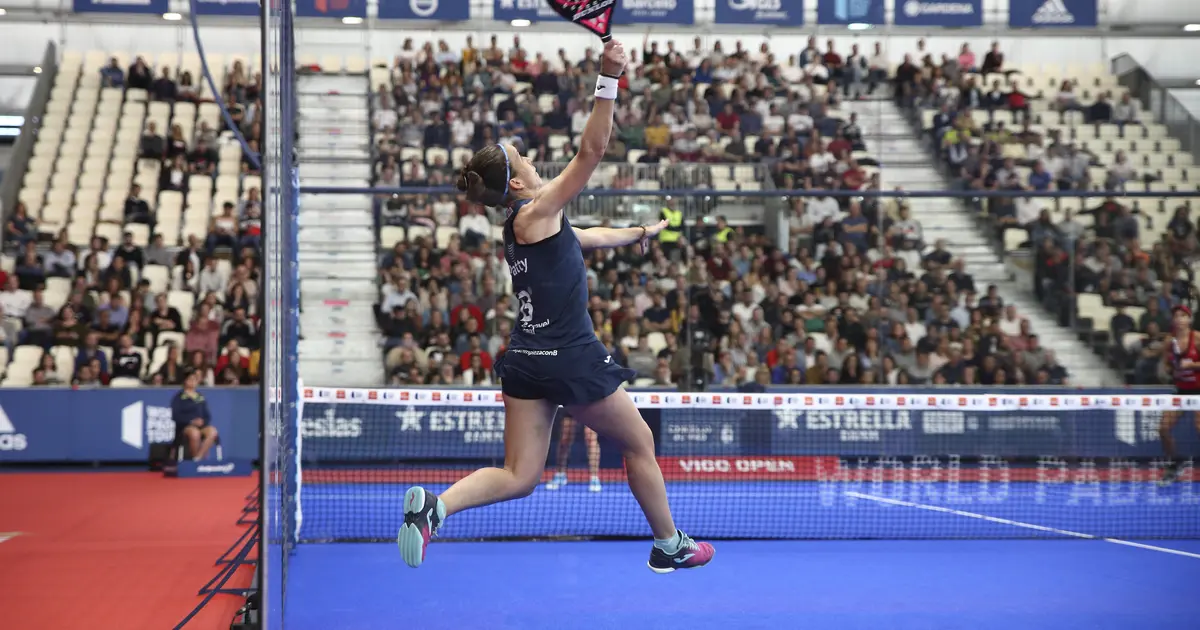
Padel for Beginners — Rules, Gear & Your First Match (2026 Guide)
10 min read
Padel is the fastest-growing racket sport in the world, and for good reason. It is social, easy to learn, and genuinely fun from the very first rally. Whether you have played tennis, squash, or nothing at all, this guide gives you everything you need to walk onto a padel court feeling prepared and confident.
What Is Padel?
Padel (sometimes written “padel tennis”) is a racket sport played on a small enclosed court roughly one-third the size of a tennis court. Note: “Paddle tennis” is a different sport played on a larger outdoor court, but padel is not the same. The court is surrounded by walls made of glass and metallic mesh, and those walls are not just boundaries — they are part of the game. You can play the ball off the walls, much like in squash, which creates longer rallies and opens up creative angles you would never find in tennis.
The game is always played as doubles — two players on each side — which makes it inherently social. A net divides the court, and the basic objective is the same as tennis: hit the ball over the net and into your opponents’ side so they cannot return it. But the enclosed court, the solid racket, and the underarm serve make padel far more accessible to newcomers.
Padel was invented in Mexico in 1969 by Enrique Corcuera and quickly spread through Spain and Latin America. Today, there are more than 25 million players worldwide, professional circuits like the Premier Padel tour and World Padel Tour, and courts popping up across Europe, the Middle East, and North America.
What Equipment Do You Need?
One of the great things about padel is that you do not need much gear to get started. Here is the essentials checklist.
Padel Racket
A padel racket (or “pala”) looks nothing like a tennis racket. It is solid — no strings — with a perforated face made of carbon fibre or fibreglass. Rackets come in three shapes:
- Round — the best choice for beginners. The sweet spot is centred and large, which makes it forgiving on off-centre hits.
- Teardrop — a middle ground between control and power.
- Diamond — top-heavy and power-oriented, best left for experienced players.
For your first racket, look for a round-shaped model that weighs between 350 and 370 grams. You do not need to spend a fortune; a good beginner racket costs between 30 and 70 euros. For specific recommendations, see our guide to the best padel rackets for beginners.
Padel Balls
Padel balls look almost identical to tennis balls but have slightly lower pressure, which produces a slower, more controllable bounce. Always use proper padel balls rather than tennis balls — the difference matters on the glass walls. A tube of three costs around 5 to 8 euros.
Shoes
Footwear is arguably the most important piece of equipment. Padel involves a lot of lateral movement and quick changes of direction on artificial grass or hard court surfaces. You need shoes with a herringbone or omni sole pattern that grips well and allows controlled slides. Running shoes or flat-soled trainers are a safety risk because they grip too much or too little.
If you are looking for options, check out our best padel shoes for 2026 guide.
Clothing
There is no special clothing requirement. Wear comfortable sportswear that lets you move freely — shorts, a t-shirt, and sports socks are fine. In competitive settings there are minor dress codes, but for casual play anything goes.
Basic Rules Overview
Padel scoring works exactly like tennis, so if you have ever watched a tennis match, you already know the system. If not, here is the short version.
Scoring
- Points go 0 (love), 15, 30, 40, game.
- If both pairs reach 40, it is deuce, and one pair must win by two clear points (or a golden point / star point may be used in some formats).
- A set is won by the first pair to reach 6 games with a two-game lead. If it reaches 6-6, a tie-break is played.
- A match is usually best of 3 sets.
For the full breakdown, see our padel rules guide for 2026 or the simplified padel rules for beginners.
The Serve
The serve must be hit underarm. The server bounces the ball behind the service line and strikes it at or below waist height. The ball must land in the diagonally opposite service box — just like tennis. Each server gets two attempts (first serve and second serve). The underarm serve is one reason padel is so beginner-friendly: there is no intimidating overhead power serve to master before you can play.
Walls in Play
Here is where padel gets interesting. After the ball bounces on the ground on your side, it may hit the back wall or side wall, and you can still play it. In fact, some of the most exciting points in padel involve the ball bouncing off the glass and being chased down for a dramatic return. The walls turn what would be a winner in tennis into a playable ball in padel.
However, the ball must always bounce on the ground on the opponents’ side before it can hit a wall. You cannot volley the ball directly into the wall on the opponents’ side.
Always Doubles
Padel is exclusively a doubles sport. Every match has four players — two per side. This makes court positioning and communication with your partner just as important as your own shot-making.
For a deeper walkthrough of how a game works from start to finish, read our how to play padel guide.
Your First Game — What to Expect
If you are about to step onto a padel court for the first time, relax. Padel has one of the gentlest learning curves of any racket sport, and here is why.
You will have rallies from day one. Because the court is small, the ball is slow, and the walls keep it in play, even complete beginners find themselves hitting the ball back and forth within minutes. Compare that to tennis, where beginners often spend their first sessions picking balls up off the floor.
The serve is not a weapon — it is a start. The underarm serve simply puts the ball in play. There is no pressure to learn a complex motion before you can enjoy the game.
It is a team sport. You always have a partner. If you are the weaker player, your partner can cover more of the court while you settle in. The social, four-player format also means there is always conversation and laughter between points — padel is as much a social event as a sporting one.
A typical session lasts around 90 minutes (usually a full match or two), and you will be surprised how much exercise you get. The short sprints, lateral movements, and quick reactions add up to a genuine full-body workout without it ever feeling like hard labour.
If you want to prepare even more, read our article on what to expect from your first padel lesson.
Essential Tips for Absolute Beginners
These seven practical tips will help you get more out of your first few sessions.
1. Start at the Back of the Court
As a beginner, position yourself near the back wall. This gives you more time to read the ball and react. The net is the advanced players’ territory — you will move forward naturally as you gain confidence.
2. Use a Continental Grip
Hold the racket as if you were shaking hands with it. This is the continental grip, and it works for almost every shot in padel: volleys, serves, forehands, and backhands. Do not switch grips between shots at this stage.
3. Let the Ball Come to You
One of the most common beginner mistakes is rushing toward the ball. In padel, the walls give you extra time. If the ball hits the back glass, wait for it to come back toward you rather than chasing it into the wall. Patience beats speed at this level.
4. Keep Your Shots Low Over the Net
High, looping shots land deep and bounce off the back wall, giving your opponents an easy setup. Instead, aim to keep the ball low over the net. A ball that stays low is harder to attack.
5. Communicate with Your Partner
Call the ball. A simple “mine” or “yours” prevents collisions and confusion. Good communication is the single biggest advantage a beginner pair can have.
6. Watch the Ball, Not the Opponents
It is tempting to look at where your opponents are standing, but keep your eyes on the ball right through contact. You will hit cleaner and more accurately.
7. Do Not Smash Everything
When you get a high ball, the instinct is to hit it as hard as possible. Resist that urge. A controlled shot that lands in the right spot is far more effective than a wild smash that flies out. Power comes later; placement wins points now.
For more pitfalls to avoid, see our article on common beginner mistakes in padel.
Finding a Place to Play
Padel courts are appearing everywhere. Here are the easiest ways to find one near you:
- Local clubs and sports centres — Many tennis and fitness clubs have added padel courts. A quick search for “padel near me” should surface options.
- Dedicated padel centres — In cities with strong padel cultures (Spain, Sweden, Italy, Portugal, the UAE, and increasingly the UK and US), you will find centres with 6 to 20 courts, coaching, and social events.
- Booking apps — Platforms like Playtomic, Matchi, and local alternatives let you search for available courts, book online, and even find other players looking for a game.
- Community groups — Facebook groups, WhatsApp chats, and Meetup events focused on padel are excellent for finding playing partners, especially if you do not yet have a regular group of four.
For a more detailed walkthrough, see our guide on how to find a padel court.
Next Steps
You now have the knowledge to get started. Here is where to go from here:
- Learn the full rules — Padel Rules for Beginners breaks everything down in plain language.
- Pick your gear — Best Padel Rackets for Beginners and Best Padel Shoes 2026 will help you choose.
- Book your first lesson — Your First Padel Lesson explains what to expect.
- Understand court etiquette — Padel Court Etiquette covers the unwritten rules every player should know.
- Check the latest rule changes — Padel Rules 2026 covers what changed this year.
Padel rewards you quickly. Most people fall in love with the sport after just one or two sessions. Grab a racket, find three friends, and book a court — the rest takes care of itself.
Stay in the loop
Get padel rule updates and tournament news — no spam.
More in Beginner Guides
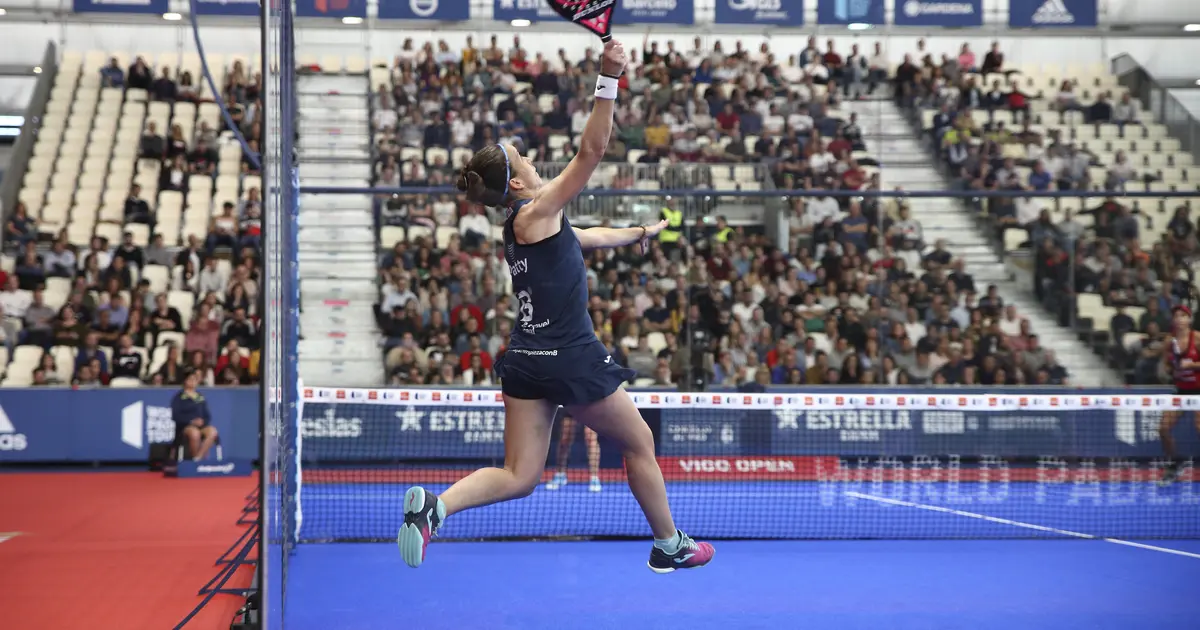
Can You Play Padel Alone? Solo Practice Options and Drills
Can you play padel alone? Padel is a doubles sport, but you can practise solo with wall drills, ball machines, and specific exercises.
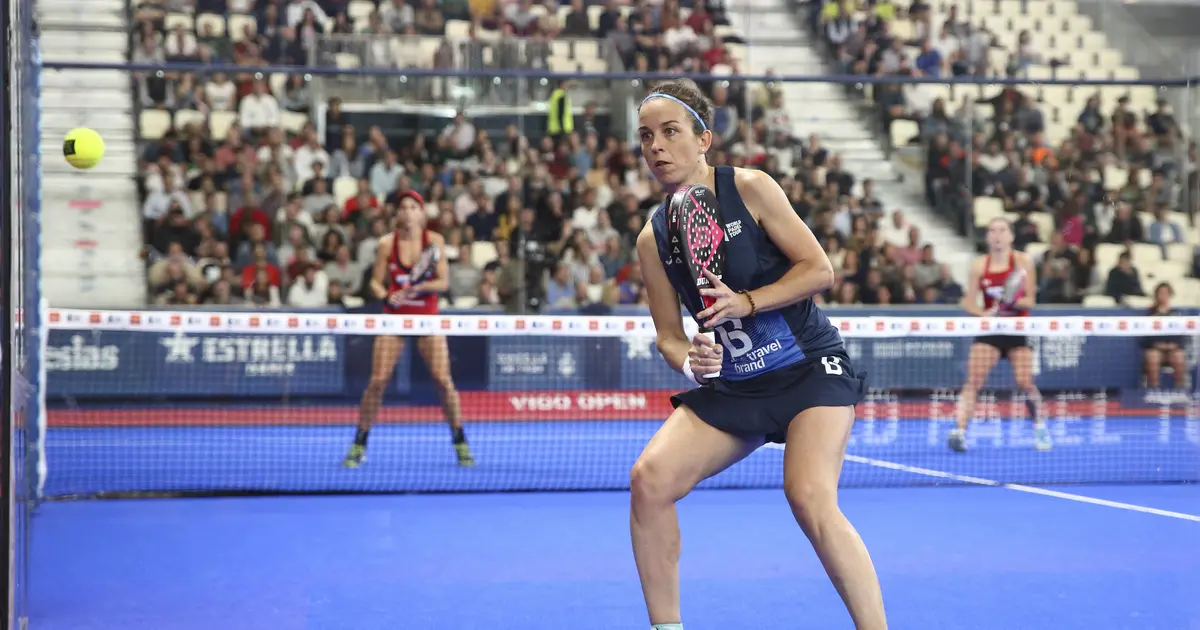
Padel Doubles Tactics — Strategy Guide for All Levels
Master padel doubles tactics with this strategy guide. Covers court positioning, attacking from the net, defending from the baseline, and key shot.

How Long Does a Padel Match Last? Average Duration and Format
How long does a padel match last? Most padel matches last 60–90 minutes. Learn about set format, tie-breaks, and what affects match duration.
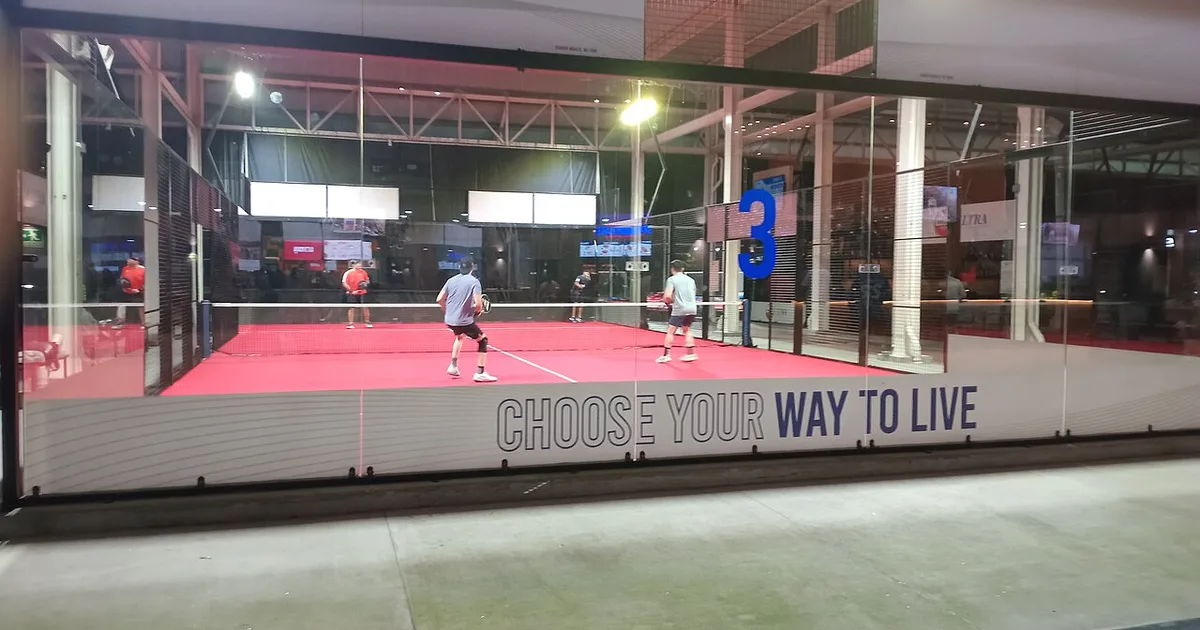
How to Find and Book a Padel Court
Learn how to find and book a padel court near you using Playtomic, Matchi, Google Maps, and club websites. Includes tips for first-timers on pricing, equipment hire, and what to expect.