 PADEL RULES
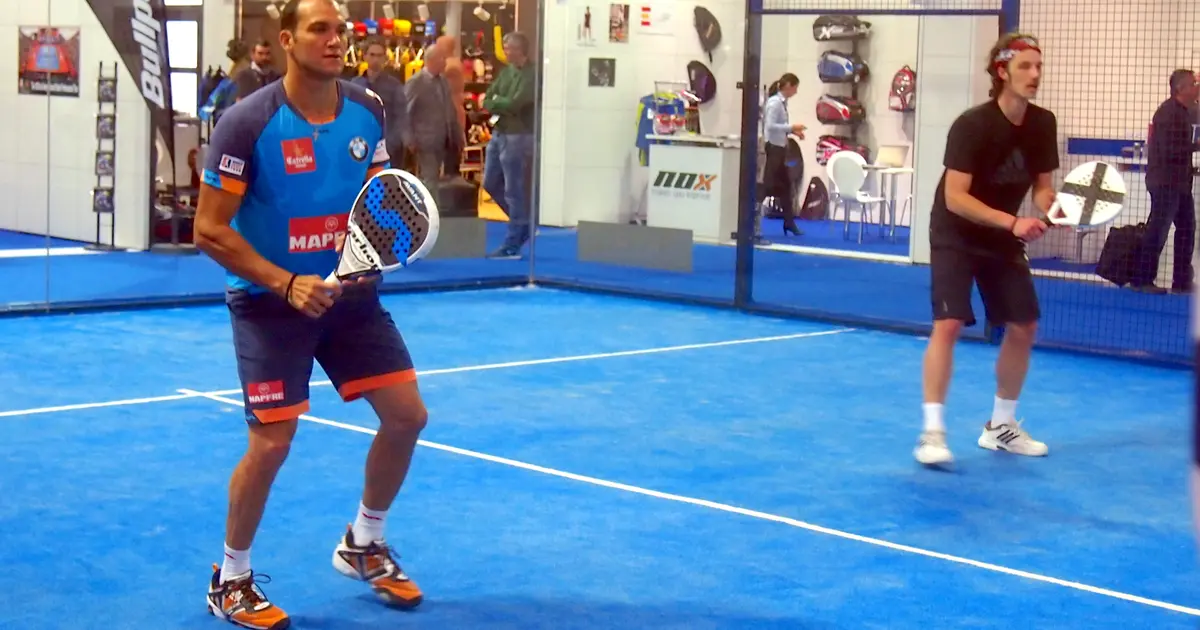
Court Illumination for Padel: Creating Playable & Broadcast-Ready Venues
6 min read
Lighting doesn’t seem like a rules issue until you’ve tried playing in a poorly lit court. Bad lighting ruins matches — shadows create blind spots, glare causes misjudgments, and uneven visibility gives unfair advantages to players in bright areas. The FIP’s lighting standards exist to make padel playable and fair for both recreational and professional environments.
Why Lighting Matters (Beyond the Rules)
Player Performance
Adequate, uniform lighting is critical for fair play:
- Ball visibility — A ball moving at 80+ km/h is hard to track even in perfect light. Shadows, bright spots, or dim areas make it nearly impossible.
- Depth perception — Shadows confuse your ability to judge the ball’s height and distance. Uniform lighting allows you to focus on strategy rather than struggling to see.
- Fairness — A player on a bright side of the court has a visual advantage over one in shadow. This isn’t skill; it’s poor lighting design.
- Injury prevention — Shadows can hide obstacles. Poor lighting contributes to trips, collisions, and miscalculations.
Court Longevity
Lighting design affects court usage and maintenance:
- Overcrowded evening slots — Without adequate lighting, many clubs can only operate daytime hours. This limits revenue and court utilization.
- Player retention — Recreational players won’t return to a dark court. Clubs with good lighting see higher membership and match frequency.
FIP Lighting Requirements
General Requirements
Artificial light must provide:
- Uniform illumination across the entire playing surface
- No visual difficulties for players, officials, or spectators
- Minimal glare from direct or reflected light
“Visual difficulties” specifically refers to:
- Flicker or strobe effects (unacceptable)
- Harsh shadows that obstruct ball visibility
- Glare that impairs players’ ability to track the ball
- Colour temperature that makes the ball hard to distinguish
Light Pole Placement
Poles must be located outside the court enclosure for several reasons:
- Safety — Poles are dangerous obstacles during out-of-court play (when players chase fast balls outside the lines)
- Visual obstruction — A pole inside the court would create shadows and obstruct sightlines
- Enclosure integrity — Poles inside would compromise the enclosed nature of the court
Interaction with safety areas:
- If a pole stands within the 3–4 m safety run-off area around the court, that section cannot be used for out-of-court play
- Courts mark these zones to show players where poles restrict movement
Height requirements:
- Minimum: 6 metres from ground to the underside of the light projectors
- Recommended for new facilities: 8 metres when poles are positioned inside the vertical projection of the court side walls
- Flexibility: Lower heights (down to 6 m) are allowed for poles positioned outside the court’s footprint
Why height matters:
- Higher poles reduce shadows (light comes from higher angles)
- Higher poles improve spectator sightlines
- Higher poles reduce glare in players’ eyes
- Taller poles provide more even light distribution across the court
Illumination Standards for Broadcasting
For tournaments filmed or broadcast:
- Minimum vertical illumination: 1,000 lux (a measure of light intensity)
- Light uniformity: Lighting should be balanced across the court (not brighter in one area)
- Colour rendering: Lights should be warm white (3000–4000K) to clearly show the ball and players’ movements
- Camera considerations: The further the camera is from the court, the more light may be needed
What is a Lux?
1 lux = 1 lumen per square metre. In practical terms:
- 100 lux ≈ Bright office lighting (minimal padel play)
- 300 lux ≈ Adequate recreational padel (safe play, basic visibility)
- 500 lux ≈ Good recreational padel (comfortable play)
- 1,000 lux ≈ Professional / broadcast standard (crystal clear visibility)
The 1,000 lux broadcast standard was set when TV cameras were less sensitive. Modern cameras can produce decent footage at 500–750 lux, but 1,000 lux remains the safe standard to accommodate older equipment.
Common Lighting Problems and Solutions
Problem: Shadows Across the Court
Cause: Poles too close to the court, or light height too low.
Solution:
- Increase pole height to at least 8 m
- Move poles farther from the court perimeter
- Use multiple smaller light fixtures instead of two large ones (distributes light more evenly)
Problem: Glare in Players’ Eyes
Cause: Lights aimed directly at eye level, or positioned in front of players.
Solution:
- Angle lights downward to illuminate the court surface primarily
- Use indirect lighting or recessed fixtures
- Position poles behind or to the sides, not directly in front
Problem: Dark Corners (Especially Near Back Walls)
Cause: Light distribution doesn’t reach the full court, or walls are too high and block light.
Solution:
- Add supplementary lights at the back wall corners
- Increase main light brightness (lux levels)
- Use reflective surfaces (white walls) to bounce light
Problem: Colour Temperature Creates Ball Visibility Issues
Cause: Lights too blue (5000K+) or too yellow (2700K or lower).
Solution:
- Specify 3500–4000K colour temperature (neutral white)
- Avoid pure white (6500K+, which is too harsh) or warm yellow (below 3000K, which makes the yellow ball hard to see)
Court Size and Lighting Calculation
For a standard 20m × 10m padel court at 1,000 lux:
- Total light output needed: Approximately 200,000 lumens
- Typical setup: 4 poles with 2–4 LED projectors (50,000 lumens each)
- Modern LED cost: €4,000–€8,000 per court (much cheaper than older HPS systems)
Recreational courts (300–500 lux) require 50–75% less light, reducing both cost and electricity consumption.
2026 Updates and LED Transition
Most modern padel clubs have transitioned to LED lighting because:
- Lower operating costs (70% less electricity than older HPS/Metal Halide systems)
- Instant on/off (no warm-up time)
- Better light quality (more even distribution, better colour rendering)
- Longer lifespan (10+ years vs. 2–3 years for HPS)
If you’re designing or upgrading a padel facility, LED is the clear standard choice now.
Outdoor Venues and Natural Light
Some padel clubs are built outdoors (Europe has some clay courts with minimal enclosure). For these venues:
- Natural light is preferred during daylight hours
- Evening play requires artificial lighting as described above
- Open-air courts may be exempt from some of the strict uniformity requirements (since natural light is inherently uneven)
Summary
| Requirement | Purpose |
|---|---|
| Uniform illumination | Ensures fair play across the entire court |
| Poles outside court | Safety during out-of-court play |
| Minimum 6m height | Reduces shadows and glare |
| Recommended 8m height | Better for TV broadcasts and spectators |
| 1,000 lux for broadcasts | Professional video quality |
| Warm white (3500–4000K) | Clear visibility of ball and players |
For existing clubs with poor lighting, upgrading to LED systems often pays for itself within 2–3 years through reduced electricity costs while dramatically improving player experience.
Learn More About Padel Rules
- Padel Rules FAQ — Complete guide to all official rules
- Court Requirements — Court setup and specifications
- Player Conduct — Code of conduct and etiquette
Stay in the loop
Get padel rule updates and tournament news — no spam.
More in Court Specifications
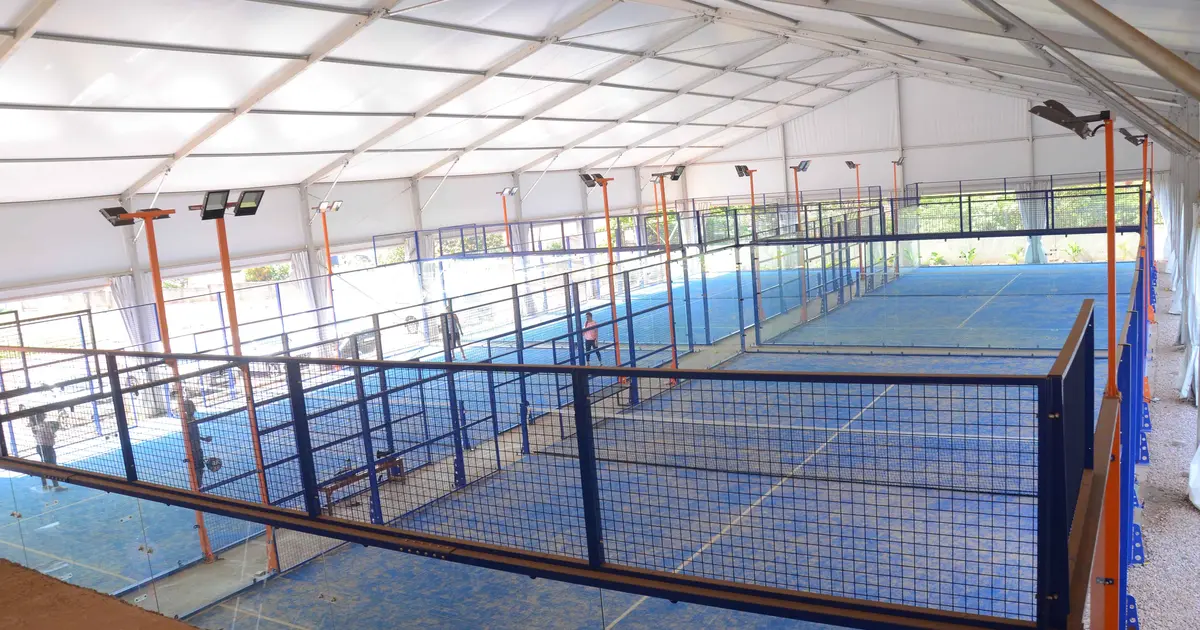
Padel Court Access: Why Gates Matter More Than Just Convenience
FIP rules specify access point placement, dimensions, and safety zones. Learn why side gates enable chase-play, how door design prevents injury, and why out-of-court play requires dual access points.
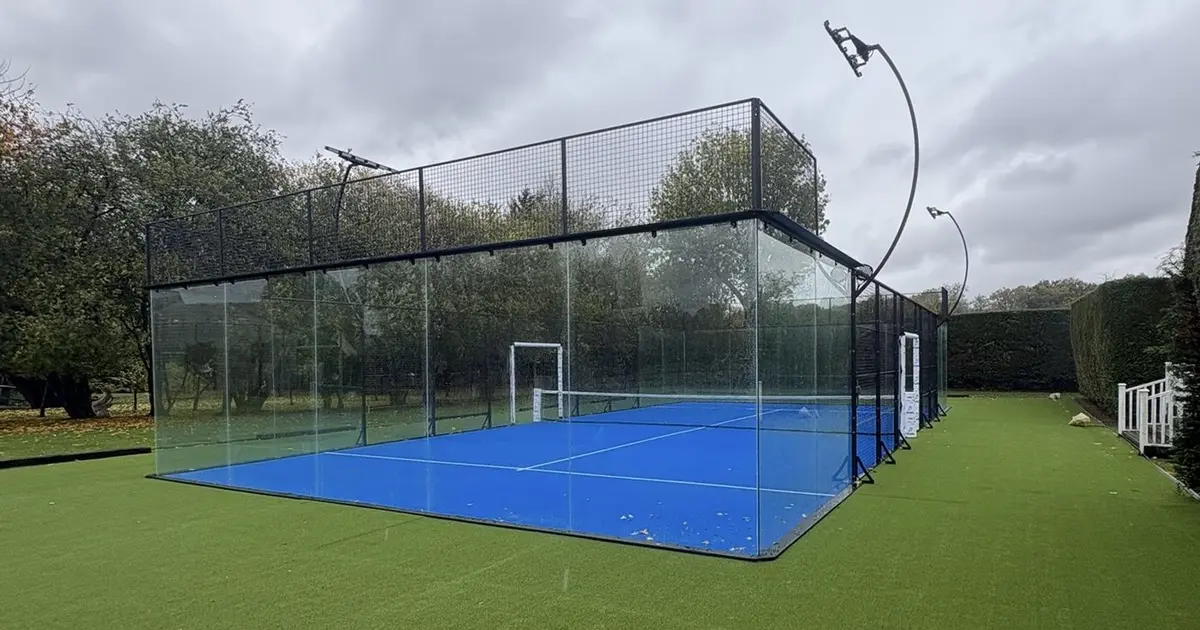
Court Orientation for Padel: Why North-South Matters for Fairness
FIP recommends north-south orientation to minimize sun interference. Learn how sun angles affect play, how latitude changes strategy, and how to work with site constraints.

A1 Padel (APT) Circuit Explained — The Alternative Professional Padel Tour
Complete guide to the A1 Padel circuit (formerly APT Padel Tour) — its origins, event structure, how it differs from Premier Padel, and its role.
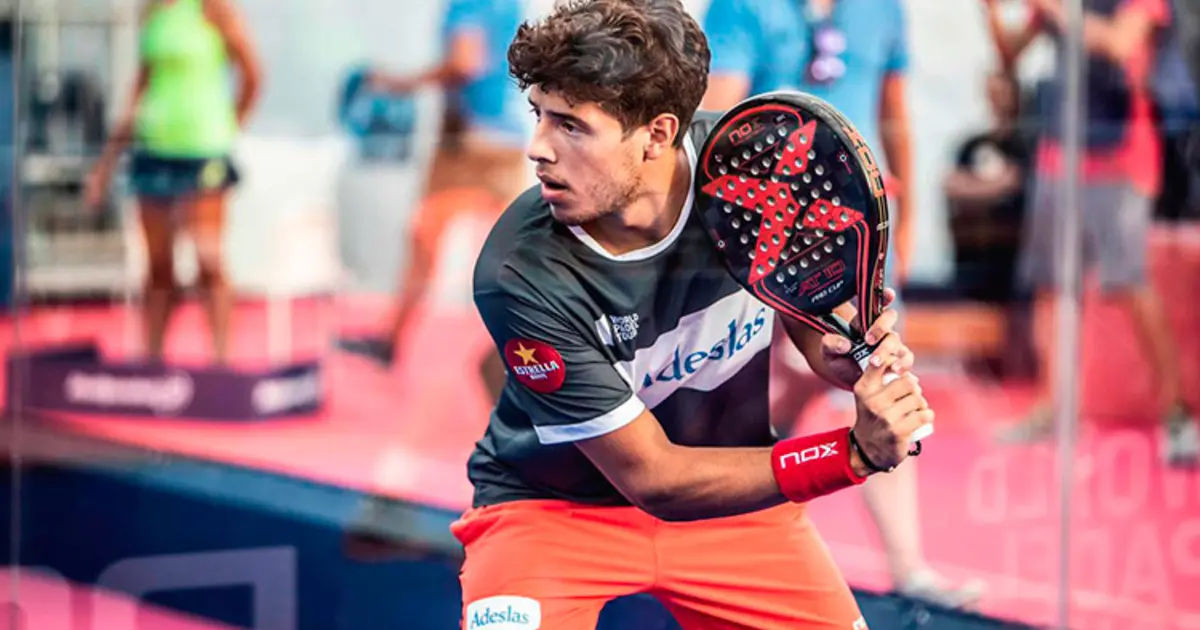
Agustín Tapia: The Magician of Padel — Trick Shots & Career Profile
Complete profile of Agustín Tapia — Argentina's creative genius, nicknamed 'The Magician' for his trick shots, incredible touch, and unpredictable.