 PADEL RULES
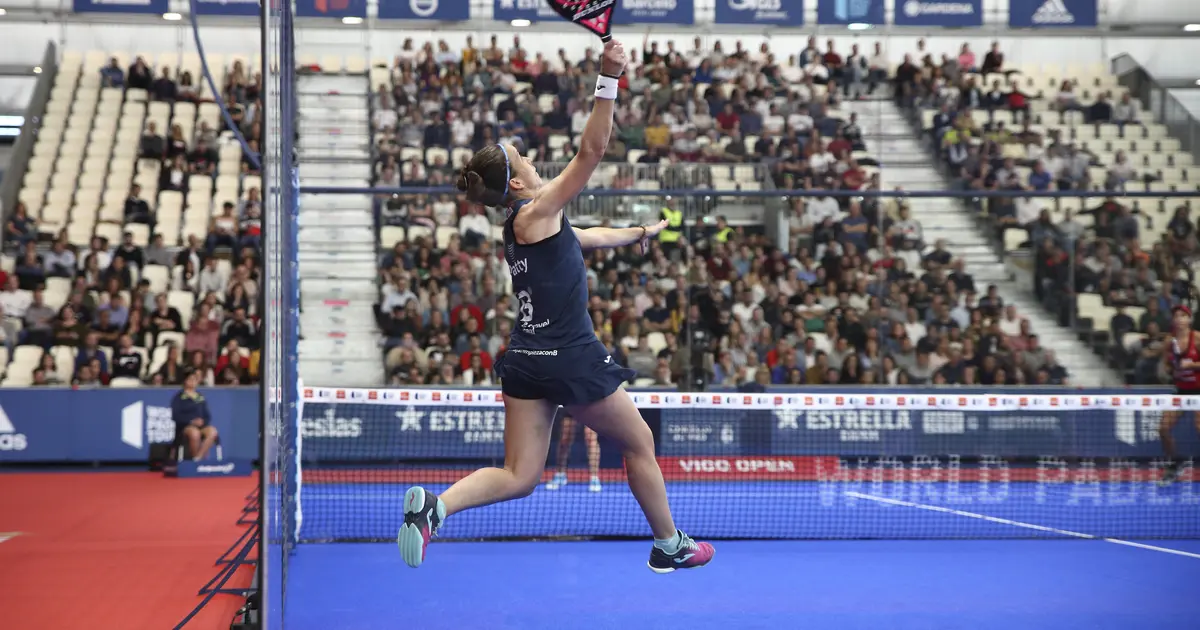
What to Expect at Your First Padel Lesson
6 min read
Signing up for your first padel lesson is exciting — and maybe a little nerve-wracking. What if everyone else is better? What if you cannot hit the ball? Relax. Padel is one of the most welcoming sports you can try, and coaches are used to working with complete beginners every single day. Here is a step-by-step look at what your first lesson will actually involve so you can walk onto the court with confidence.
Before the Lesson — What to Wear and Bring
You do not need specialist equipment for your first session. Wear comfortable sports clothing — a t-shirt, shorts or leggings, and a pair of trainers with good lateral support. Avoid running shoes with chunky treads, as they can catch on the court surface. Flat-soled trainers or dedicated padel shoes are ideal.
Bring a bottle of water and a small towel. If you play outdoors, sunglasses and sunscreen are worth packing too. That is genuinely all you need.
Do You Need Your Own Racket?
Not for your first lesson. The vast majority of padel clubs lend rackets to beginners, either free of charge or for a couple of euros. Club rental rackets are designed for all-round play and are perfectly fine while you learn the basics.
Once you have played a few times and know you want to continue, you can look into buying your own beginner racket. But there is absolutely no rush — save the investment until you understand what shape and weight suit your game.
What a Typical First Lesson Looks Like
Every coach has their own style, but most beginner lessons follow a similar structure:
Warm-up (5-10 minutes). Light jogging, stretching, and some gentle ball-bouncing to get a feel for the racket and the court dimensions.
Grip and ready position. Your coach will show you how to hold the racket correctly — the continental grip is the standard starting point — and how to stand in a balanced, ready position.
Basic forehand and backhand. You will practise hitting the ball gently from the baseline, focusing on making clean contact rather than generating power. The coach will feed balls to you so you can build a rhythm.
Volleys at the net. Padel is a net game, so you will spend time learning how to punch the ball out of the air from a closer position. This is one of the most satisfying parts — volleys in padel feel great even on day one.
The serve. Unlike tennis, the padel serve is underhand, which makes it much easier to learn. You will practise getting the ball into the service box consistently.
Mini-game or rally practice. Most coaches end the lesson with some form of game play — either a short match or structured rally exercises — so you can put everything together in a real context.
Do not worry if you struggle with any particular shot. Your coach has seen it thousands of times, and the goal of the first lesson is simply to get comfortable on the court and enjoy the experience.
How Long Is a Lesson?
Most beginner lessons last between 60 and 90 minutes. Group lessons — typically with 4 to 8 players sharing a court — tend to run for 60 minutes. Private or semi-private lessons (1-2 players with one coach) may extend to 90 minutes.
Group lessons are an excellent choice for your first time. You learn alongside other beginners, the atmosphere is relaxed, and you get to meet potential playing partners straight away.
How Much Does a Lesson Cost?
Prices vary by country and club, but here are rough ranges to expect:
- Group lesson: 15-40 euros per person
- Private lesson: 40-80 euros per session
- Semi-private (2 players): 50-100 euros split between you
Many clubs offer introductory packages — for example, four group lessons for a reduced price — which are a brilliant way to commit to those first few weeks without breaking the bank. It is worth asking about these when you book.
Tips to Get the Most Out of Your First Lesson
Relax your grip. Beginners almost always squeeze the racket too hard. A relaxed grip gives you better control, more feel, and reduces the risk of elbow strain. If your knuckles are white, loosen up.
Focus on control, not power. Padel is not about hitting hard. Placement and consistency win points. Aim to get the ball over the net and into the court — power will come naturally as your technique improves.
Ask questions. Your coach is there to help. If something does not make sense, ask. If you want to try a shot again, say so. You are paying for their expertise, so use it.
Do not compare yourself to others. In a group lesson, some people might pick things up faster. That is perfectly normal. Everyone learns at their own pace, and padel has a wonderfully gentle learning curve compared to many racket sports.
Enjoy the walls. The glass walls are what make padel unique. When the ball bounces off them, let it come to you rather than chasing it — your coach will explain the timing. Embrace the walls as your friend, not your enemy.
If you want a broader introduction to the sport before your lesson, our complete beginner’s guide and how to play padel articles cover all the fundamentals.
What Comes After Your First Lesson
Once you have completed your first session, the most important thing is to keep playing. Here is how to build momentum:
Book another lesson. Consistency matters more than intensity. One lesson per week for four to six weeks will give you a solid foundation. Many clubs let you book a block of lessons at a discount.
Find playing partners. Ask people from your group lesson if they want to book a court together. Padel is a social sport, and most beginners are actively looking for others at a similar level.
Join social sessions. Many clubs run open “mix-in” or “americano” sessions where players of all levels rotate partners. These are a fantastic, low-pressure way to get court time and meet the padel community at your club.
Explore your local scene. Use our guide on how to find a padel court near you to discover clubs, open sessions, and beginner leagues in your area.
Before long, you will wonder why you did not start sooner. Padel has a way of hooking people fast — the combination of easy entry, social play, and addictive rallies makes it unlike any other sport. So book that first lesson, turn up with a smile, and get ready to fall in love with the game.
For a checklist of early mistakes to avoid, have a read before or after your first session — it will save you time on the learning curve.
Stay in the loop
Get padel rule updates and tournament news — no spam.
More in Beginner Guides
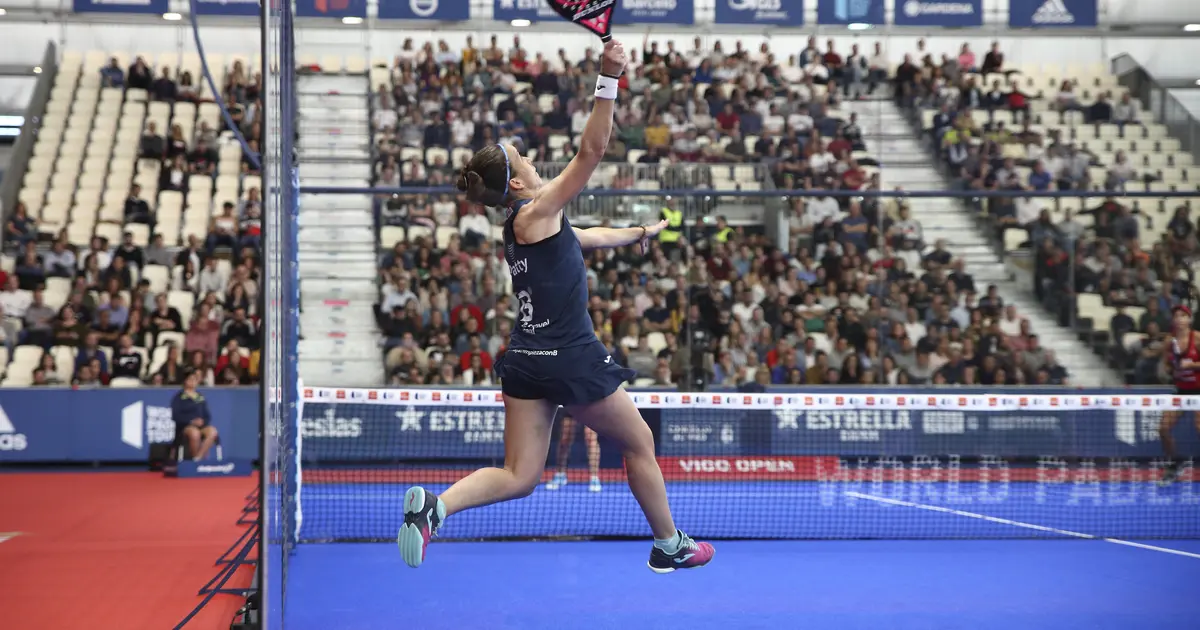
Can You Play Padel Alone? Solo Practice Options and Drills
Can you play padel alone? Padel is a doubles sport, but you can practise solo with wall drills, ball machines, and specific exercises.
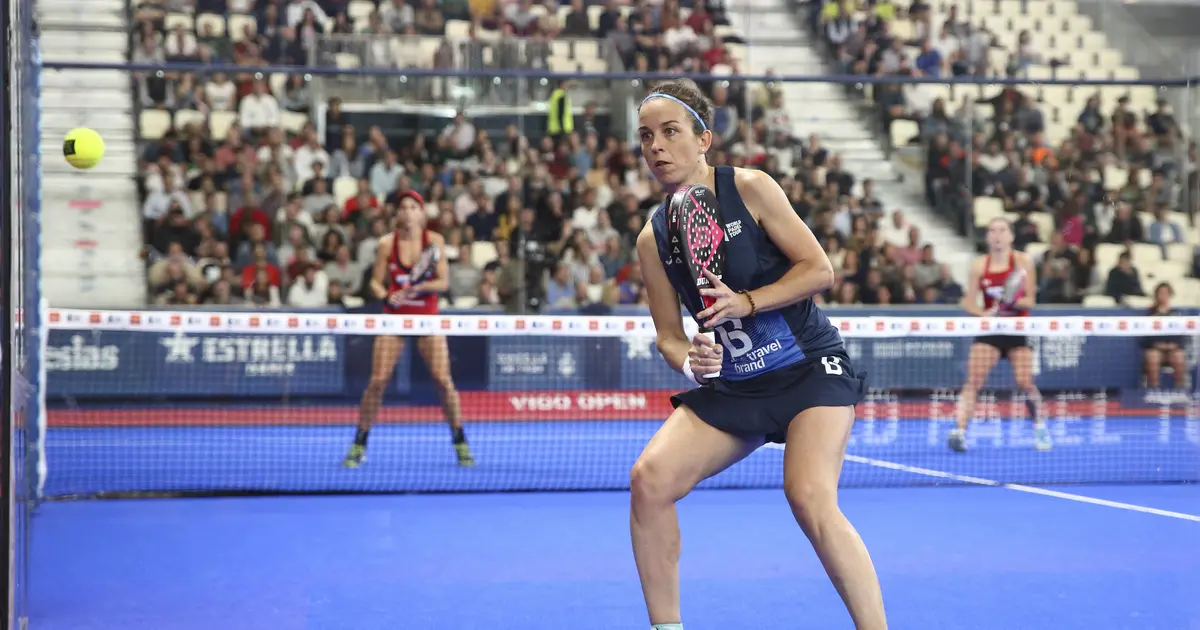
Padel Doubles Tactics — Strategy Guide for All Levels
Master padel doubles tactics with this strategy guide. Covers court positioning, attacking from the net, defending from the baseline, and key shot.
How Long Does a Padel Match Last? Average Duration and Format
How long does a padel match last? Most padel matches last 60–90 minutes. Learn about set format, tie-breaks, and what affects match duration.
How to Find and Book a Padel Court
Learn how to find and book a padel court near you using Playtomic, Matchi, Google Maps, and club websites. Includes tips for first-timers on pricing, equipment hire, and what to expect.