 PADEL RULES
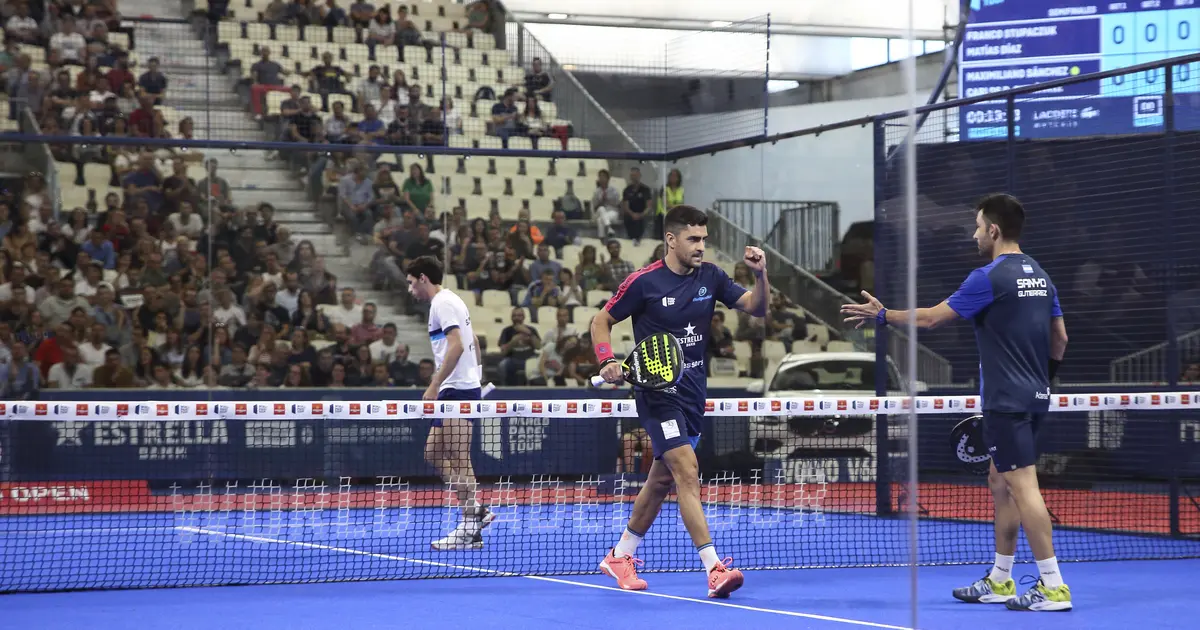
Penalties and Table of Sanctions
3 min read
The FIP code of conduct establishes a clear, progressive penalty system for all violations committed during a match. Penalties escalate with each successive violation by the same team within the same match. This article provides the full penalty ladder and a comprehensive table of violations with their typical sanctions.
The Three-Stage Penalty Ladder
Each code violation by a team moves them one step up the penalty ladder for that match:
| Stage | Penalty | Effect |
|---|---|---|
| 1st violation | Warning | Verbal warning; no points lost |
| 2nd violation | Warning + point penalty | One point awarded to opponents |
| 3rd violation | Warning + disqualification | Team is disqualified from the match |
The ladder is cumulative for the team, not per individual. A warning issued to one player in a team counts for both players — the next violation by either player triggers a point penalty. Violations by an accredited coach arising from their instructions are also counted against the team.
Certain Violations Can Skip the Ladder
Referees have the authority to apply a penalty beyond the current ladder stage if an act is particularly severe. For example, a first-offence verbal abuse that is of an extreme nature may go directly to a point penalty, or the referee may refer immediately to the tournament supervisor for a disqualification assessment.
Full Sanctions Table
| Violation | Typical First Penalty | Notes |
|---|---|---|
| Audible obscenity | Warning | May escalate to point penalty if severe |
| Verbal abuse (mild) | Warning | |
| Verbal abuse (severe or discriminatory) | Point penalty or disqualification | At referee discretion |
| Unsportsmanlike conduct | Warning | Escalates per ladder |
| Racket abuse (throw/smash) | Warning | See racket abuse |
| Ball abuse (hitting ball away) | Warning | See ball abuse |
| Deliberate ball damage | Warning | |
| Equipment/court damage | Warning | May include repair liability |
| Time wasting (deliberate) | Warning | |
| Coaching during points | Warning (to team) | See coaching rules |
| Failure to return to court on time | Warning | |
| Deliberate hindrance of opponent | Point awarded to opponent | Not always a ladder violation — often a direct rule call |
| Failure to play best efforts | Disqualification | Serious violation; supervisor involved |
| Physical assault | Immediate disqualification | See direct disqualification |
| Threatening behaviour | Immediate disqualification |
Point Penalty in Context
When a point penalty is issued, one point is immediately awarded to the opposing team. If this point would win a game for the opponents, the game is awarded. If the game was at deuce, the opponents move to advantage; if at advantage for the penalised team, the score returns to deuce.
Tracking Violations
The referee records each violation and the reason. Violations are noted on the match scorecard. Both teams are entitled to know the current status of their violations — any player may ask the referee how many violations have been recorded against their team.
Post-Match Consequences
In some tour formats, violations may carry consequences beyond the match:
- Accumulated warnings or penalties across a tournament can trigger fines
- Serious violations may be reported to the tour’s disciplinary committee for further action
See also: Code of Conduct and Violations for the general conduct standards.
Related Conduct Rules
Stay in the loop
Get padel rule updates and tournament news — no spam.
More in Conduct & Discipline
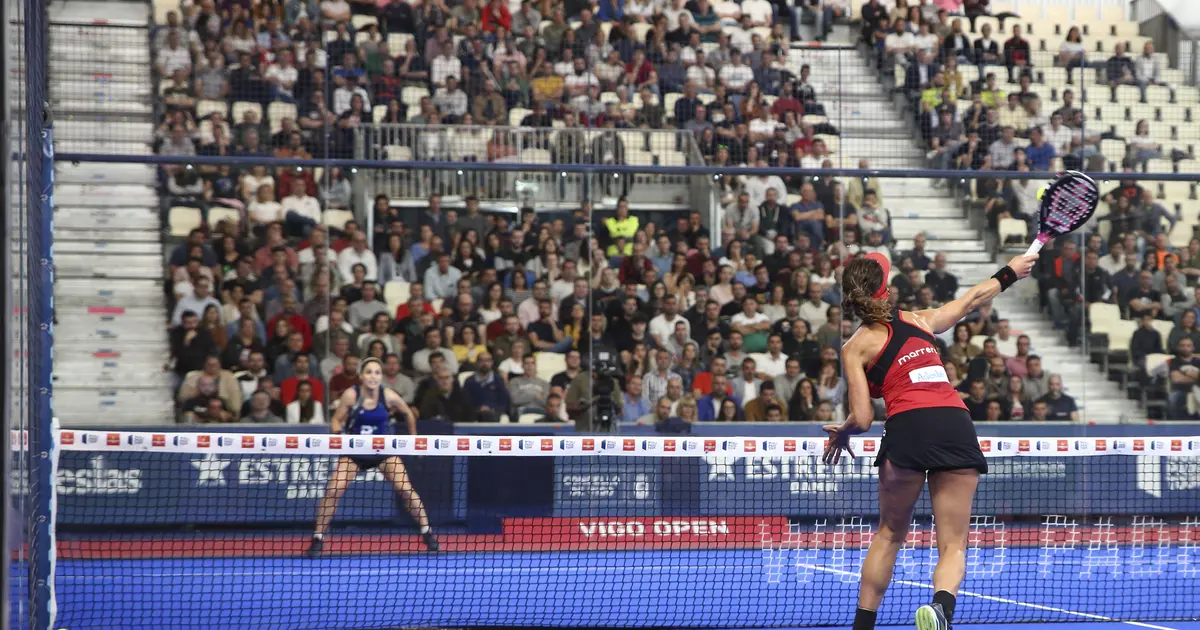
Ball Abuse: Emotional Control and Fair Play in Padel
Ball abuse (hitting balls away, damaging them, or throwing them dangerously) is a code violation. Learn what counts as abuse vs. normal frustration, why the rule exists, and how penalties escalate.
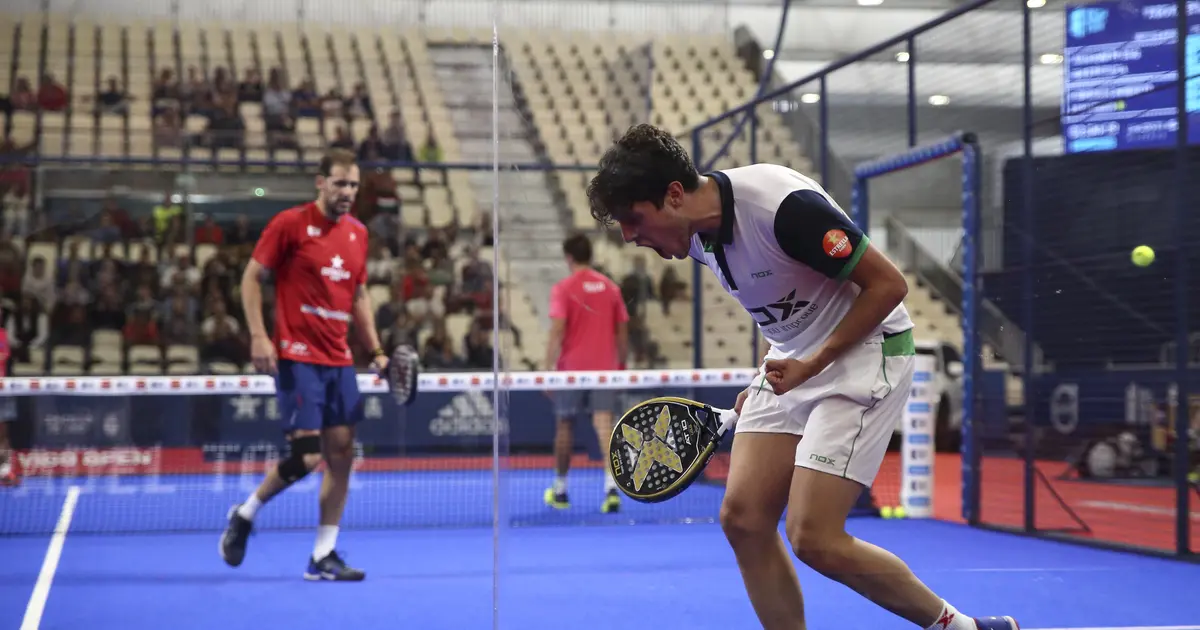
The Best Efforts Rule: Protecting Competitive Integrity in Padel
The best efforts rule requires players to compete at full effort throughout a match. Learn why it's critical, what counts as a violation, how referees enforce it, and the strategic distinction between tanking and legitimate match strategy.

Coaching Rules in Padel: When Support Staff Can Advise
FIP rules restrict coaching during live play. Learn why coaching is banned mid-rally, when it's permitted (changeovers, set breaks), how violations are penalized, and why spectator-coaches face the same rules.
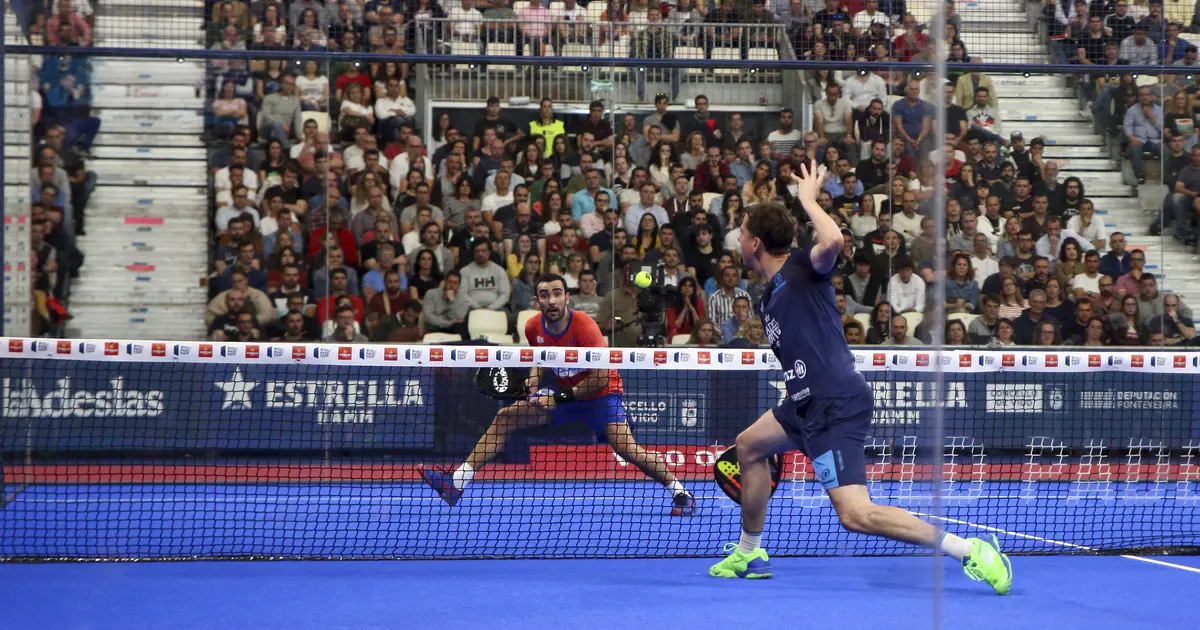
Direct Disqualification: When Rules Violations Bypass the Ladder
Certain offences (physical violence, hate speech, match fixing) trigger immediate disqualification without warning progression. Learn the triggers, decision process, and consequences beyond the match.